What does Luke 7:42 mean?
“And when they had nothing to pay, he frankly forgave them both. Tell me therefore, which of them will love him most?” — Luke 7:42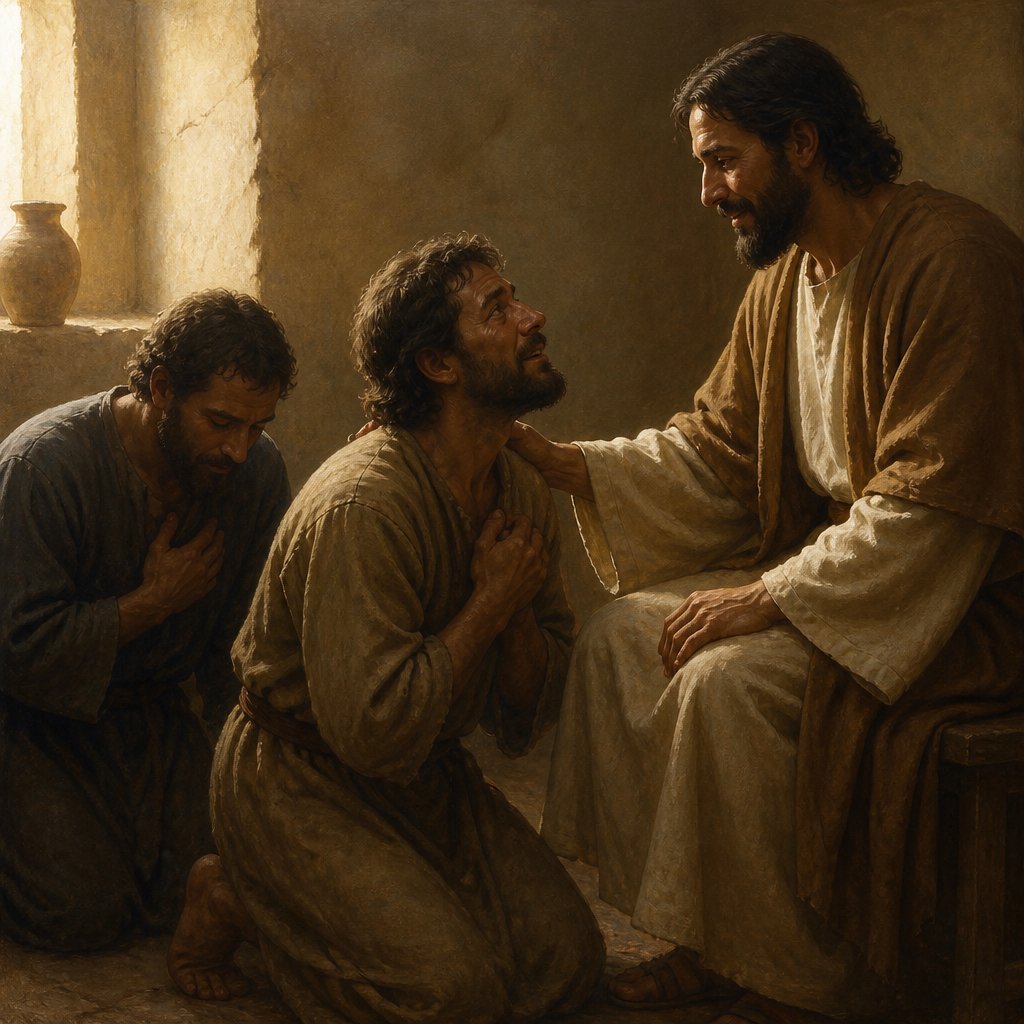
The Bible verse Luke 7:42 in the King James Version (KJV) reads: "And when they had nothing to pay, he frankly forgave them both. Tell me therefore, which of them will love him most?" This verse is a part of a parable told by Jesus Christ to illustrate the concept of forgiveness, love, and the mercy of God.
The context of this verse is important to understanding its deeper meaning. In the preceding verses, Jesus tells the parable of a creditor who had two debtors. One owed a large amount, while the other owed a much smaller sum. When they both could not repay their debts, the creditor forgave them both. Jesus then asks the crowd, "Tell me therefore, which of them will love him most?" This question is meant to provoke thought and self-reflection, as it challenges the audience to consider the nature of love and forgiveness.
One of the key themes in this verse is forgiveness. The parable illustrates the concept of forgiveness as an act of grace and mercy. Despite the debtors' inability to repay their debts, the creditor chose to forgive them both. This mirrors the forgiveness of sins by God, who is willing to forgive those who repent and seek His mercy. It emphasizes the idea that forgiveness is not based on merit or worthiness, but rather on the compassion and generosity of the one offering forgiveness.
Another prominent theme in this verse is love. Jesus uses the parable to highlight the connection between forgiveness and love. He asks which of the debtors will love the creditor more, implying that the one who was forgiven a greater debt will have a greater love for the creditor. This draws attention to the relationship between forgiveness and love, emphasizing the idea that those who are forgiven much will love much. It also suggests that love is a natural response to experiencing forgiveness and mercy.
The verse also addresses the concept of gratitude. The debtors were both recipients of the creditor's forgiveness, and the question posed by Jesus challenges the audience to consider their response to such an act of grace. It prompts the listeners to reflect on their own capacity for love and gratitude in the face of forgiveness, highlighting the relationship between gratitude and love.
Symbolism plays a significant role in this verse as well. The debtors in the parable symbolize all people who have sinned and are in need of God's forgiveness. The creditor represents God, who is willing to forgive the sins of those who seek His mercy. The debts owed by the debtors symbolize the sins and transgressions of humanity, which can never be fully repaid. The act of forgiveness symbolizes God's grace and mercy, which are freely given to those who repent and turn to Him.
In conclusion, Luke 7:42 in the King James Version of the Bible is a thought-provoking verse that addresses the themes of forgiveness, love, and gratitude. It uses a parable to illustrate the concept of forgiveness as an act of grace and mercy, and it challenges the audience to consider their response to such an act of love. It also emphasizes the connection between forgiveness, love, and gratitude, and it symbolically represents the relationship between God and humanity. This verse serves as a powerful reminder of God's unending grace and the transformative power of His love and forgiveness.
Get our apps


Artwork for Luke 7:42

Luke 7:42 - "And when they had nothing to pay, he frankly forgave them both. Tell me therefore, which of them will love him most?"
"And when they had nothing to pay, he frankly forgave them both. Tell me therefore, which of them will love him most?" - Luke 7:42
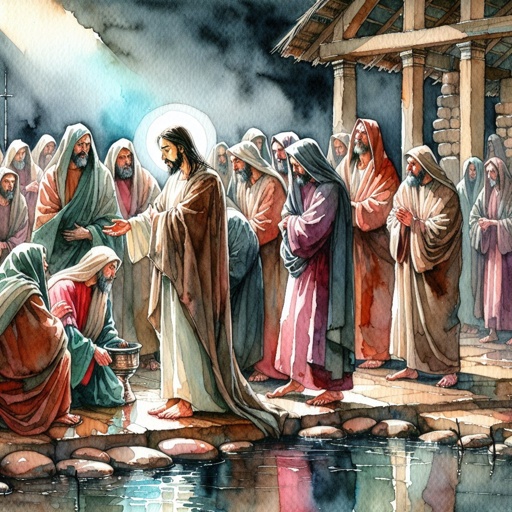
luke 22:42

Luke 22:42

Luke 24:42

luke 22:42

Luke 24:42 - "And they gave him a piece of a broiled fish, and of an honeycomb."

Psalm 42:7

Nehemiah 7:42 - "The children of Harim, a thousand and seventeen."

Luke 2:42 - "And when he was twelve years old, they went up to Jerusalem after the custom of the feast."

Luke 18:42 - "And Jesus said unto him, Receive thy sight: thy faith hath saved thee."

Luke 22:42 - "Saying, Father, if thou be willing, remove this cup from me: nevertheless not my will, but thine, be done."

Luke 23:42 - "And he said unto Jesus, Lord, remember me when thou comest into thy kingdom."

Luke 10:42 - "But one thing is needful: and Mary hath chosen that good part, which shall not be taken away from her."
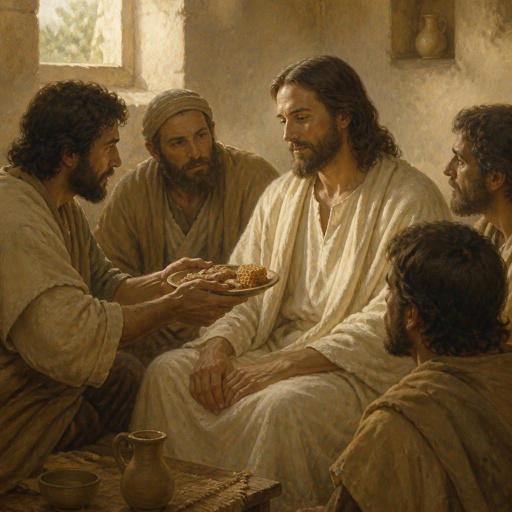
"And they gave him a piece of a broiled fish, and of an honeycomb." - Luke 24:42

Luke 1:42 - "And she spake out with a loud voice, and said, Blessed art thou among women, and blessed is the fruit of thy womb."

Luke 20:42 - "And David himself saith in the book of Psalms, The LORD said unto my Lord, Sit thou on my right hand,"

Numbers 7:42 - "¶ On the sixth day Eliasaph the son of Deuel, prince of the children of Gad, offered:"

"The children of Harim, a thousand and seventeen." - Nehemiah 7:42

Jeremiah 42:7 - "¶ And it came to pass after ten days, that the word of the LORD came unto Jeremiah."
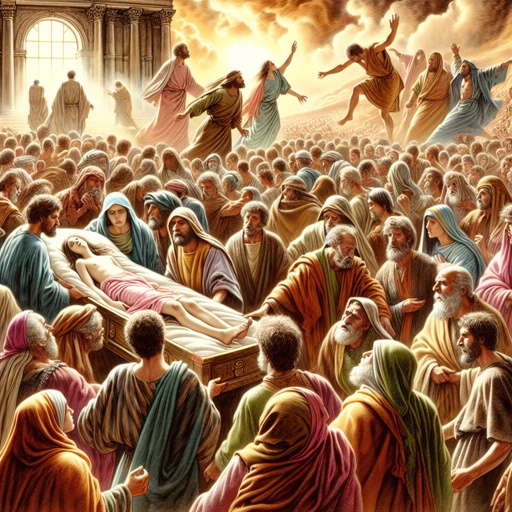
Luke 8:42 - "For he had one only daughter, about twelve years of age, and she lay a dying. But as he went the people thronged him."

John 7:42 - "Hath not the scripture said, That Christ cometh of the seed of David, and out of the town of Bethlehem, where David was?"

Psalms 42:7 – "Deep calls to deep in the roar of your waterfalls; all your waves and breakers have swept over me."

Luke 19:42 - "Saying, If thou hadst known, even thou, at least in this thy day, the things which belong unto thy peace! but now they are hid from thine eyes."

Luke 9:42 - "And as he was yet a coming, the devil threw him down, and tare him. And Jesus rebuked the unclean spirit, and healed the child, and delivered him again to his father."

Luke 4:42 - "And when it was day, he departed and went into a desert place: and the people sought him, and came unto him, and stayed him, that he should not depart from them."

Isaiah 42:7 - "To open the blind eyes, to bring out the prisoners from the prison, and them that sit in darkness out of the prison house."

Ezekiel 42:7 - "And the wall that was without over against the chambers, toward the utter court on the forepart of the chambers, the length thereof was fifty cubits."

Luke 12:42 - "And the Lord said, Who then is that faithful and wise steward, whom his lord shall make ruler over his household, to give them their portion of meat in due season?"

Psalms 42:7 - "Deep calleth unto deep at the noise of thy waterspouts: all thy waves and thy billows are gone over me."