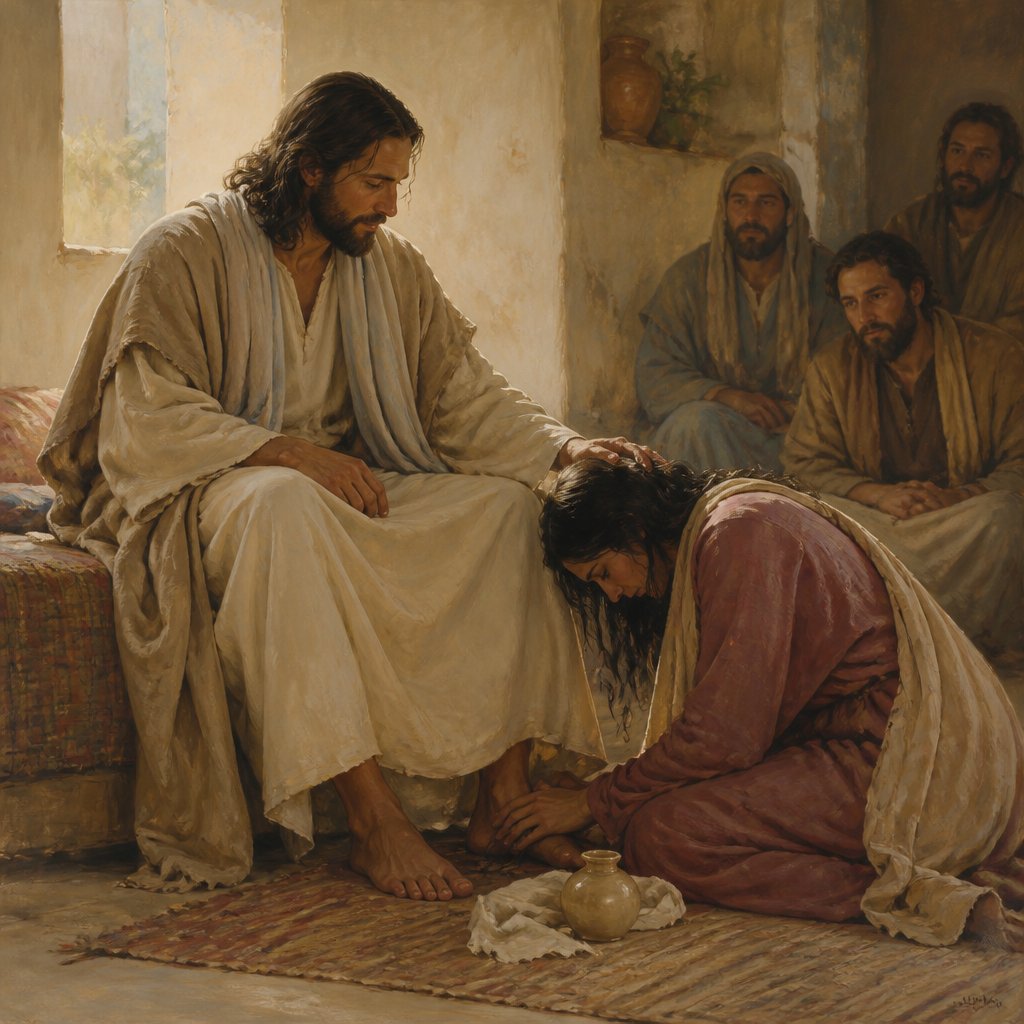
The Bible verse Luke 7:48 from the King James Version (KJV) reads: "And he said unto her, Thy sins are forgiven." This verse is a significant moment in the life of Jesus and serves as a powerful message of forgiveness and redemption.
In this verse, Jesus is speaking to a woman who has come to him seeking forgiveness and redemption. The context of this verse is important in understanding its significance. In the preceding verses, Jesus is at the house of a Pharisee, and a sinful woman enters the house and begins weeping at Jesus' feet. She then anoints his feet with ointment and wipes them with her hair. The Pharisee, who is hosting the dinner, is critical of Jesus for allowing such a woman to touch him, not realizing her true repentance and humility.
Jesus uses this moment to teach a profound lesson about forgiveness and grace. He engages the Pharisee in a parable about two debtors, one who owed a large sum of money and one who owed a smaller amount. When both debts are forgiven by the lender, Jesus asks the Pharisee which debtor would love the lender more. The Pharisee correctly answers that the one who owed more would love the lender more, and Jesus uses this parable to illustrate the forgiveness of sins and the depth of gratitude and love that comes from it.
Jesus then turns his attention to the woman and speaks the powerful words, "Thy sins are forgiven." This statement holds immense significance as it demonstrates Jesus' power and authority to forgive sins. It also represents the core message of the Gospel – that through Jesus, all are offered forgiveness and redemption, regardless of their past sins or mistakes.
The themes present in this verse are numerous and profound. One of the central themes is that of forgiveness. Jesus' words to the woman exemplify the boundless mercy and grace of God, offering a message of hope and redemption to all who seek it. This theme of forgiveness is central to the Christian faith and serves as a reminder of the transformative power of God's love.
Another important theme in this verse is that of humility and repentance. The woman's actions – weeping at Jesus' feet, anointing them with ointment, and wiping them with her hair – demonstrate her deep remorse for her sins and her sincere desire for forgiveness. Her humility stands in stark contrast to the self-righteousness of the Pharisee, who fails to see the depth of his own need for forgiveness.
Symbolism is also prevalent in this verse. The act of anointing Jesus' feet with ointment and wiping them with hair can be seen as a symbol of devotion and reverence. It also reflects the act of preparing a body for burial, symbolizing the woman's willingness to die to her old self and be reborn in Christ.
Overall, Luke 7:48 is a powerful and transformative verse that encapsulates the core message of the Gospel. It serves as a reminder of the boundless forgiveness and grace offered by God through Jesus Christ and calls us to approach God with humility, repentance, and a deep desire for transformation. It is a verse that offers hope and comfort to all who seek forgiveness and redemption.
Get our apps


Artwork for Luke 7:48

Luke 7:48 - "And he said unto her, Thy sins are forgiven."
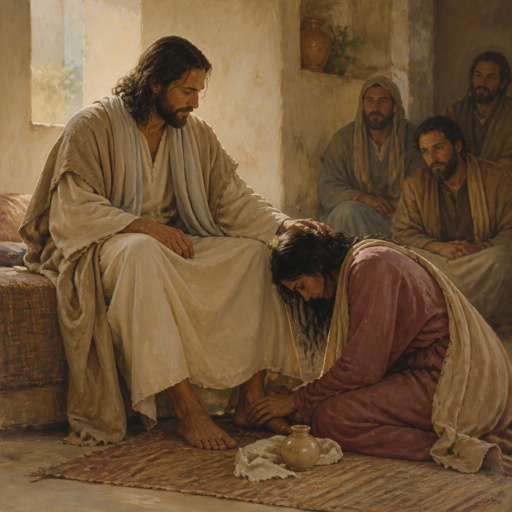
"And he said unto her, Thy sins are forgiven." - Luke 7:48

Luke 24:48 - "And ye are witnesses of these things."

"And ye are witnesses of these things." - Luke 24:48

Luke 22:48 - "But Jesus said unto him, Judas, betrayest thou the Son of man with a kiss?"

Nehemiah 7:48 - "The children of Lebana, the children of Hagaba, the children of Shalmai,"

John 7:48 - "Have any of the rulers or of the Pharisees believed on him?"

Psalms 48:7 - "Thou breakest the ships of Tarshish with an east wind."

Luke 19:48 - "And could not find what they might do: for all the people were very attentive to hear him."

Luke 23:48 - "And all the people that came together to that sight, beholding the things which were done, smote their breasts, and returned."

Luke 11:48 - "Truly ye bear witness that ye allow the deeds of your fathers: for they indeed killed them, and ye build their sepulchres."

Luke 8:48 - "And he said unto her, Daughter, be of good comfort: thy faith hath made thee whole; go in peace."

Acts 7:48 - "Howbeit the most High dwelleth not in temples made with hands; as saith the prophet,"

Numbers 7:48 - "¶ On the seventh day Elishama the son of Ammihud, prince of the children of Ephraim, offered:"

Luke 1:48 - "For he hath regarded the low estate of his handmaiden: for, behold, from henceforth all generations shall call me blessed."

Ezekiel 48:7 - "And by the border of Reuben, from the east side unto the west side, a portion for Judah."
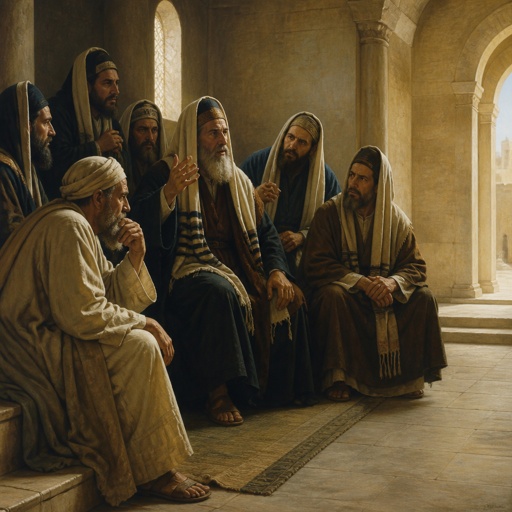
"Have any of the rulers or of the Pharisees believed on him?" - John 7:48
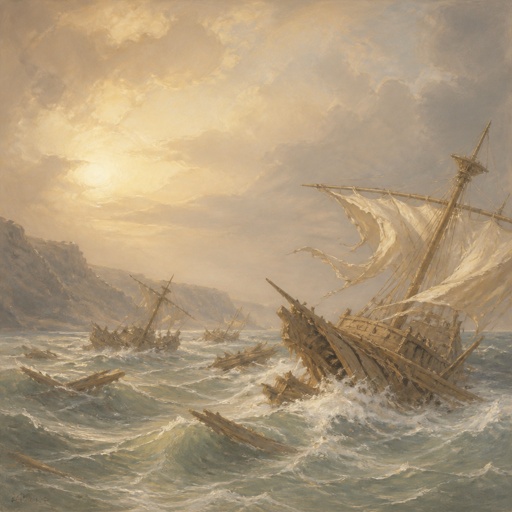
"Thou breakest the ships of Tarshish with an east wind." - Psalms 48:7
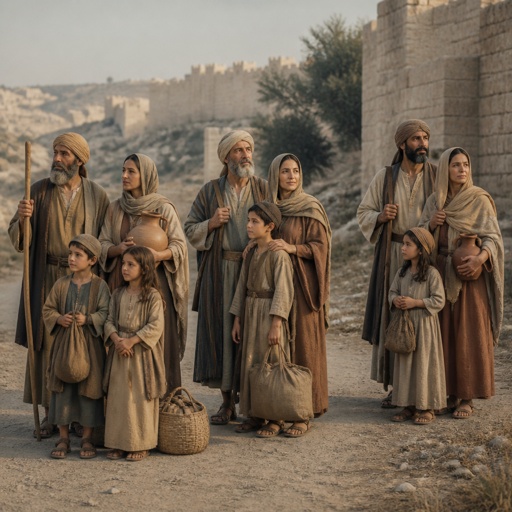
"The children of Lebana, the children of Hagaba, the children of Shalmai," - Nehemiah 7:48

1 Kings 7:48 - "And Solomon made all the vessels that pertained unto the house of the LORD: the altar of gold, and the table of gold, whereupon the shewbread was,"
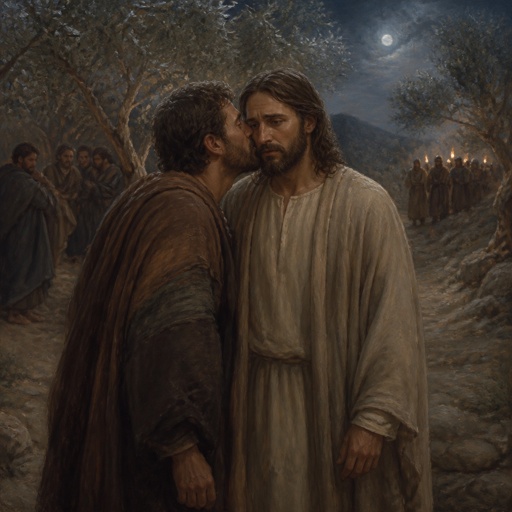
"But Jesus said unto him, Judas, betrayest thou the Son of man with a kiss?" - Luke 22:48

Luke 6:48 - "He is like a man which built an house, and digged deep, and laid the foundation on a rock: and when the flood arose, the stream beat vehemently upon that house, and could not shake it: for it was founded upon a rock."

Luke 2:48 - "And when they saw him, they were amazed: and his mother said unto him, Son, why hast thou thus dealt with us? behold, thy father and I have sought thee sorrowing."

Isaiah 48:7 - "They are created now, and not from the beginning; even before the day when thou heardest them not; lest thou shouldest say, Behold, I knew them."
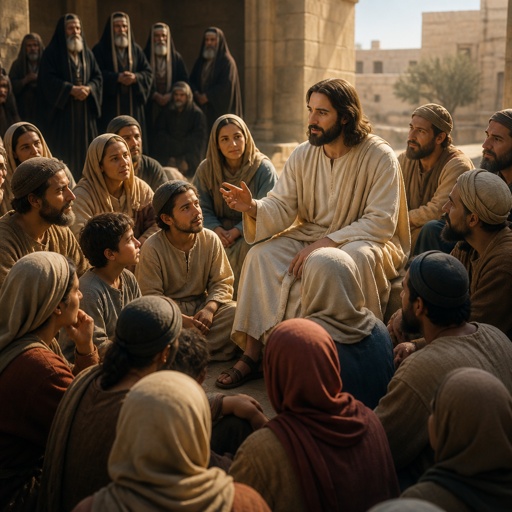
"And could not find what they might do: for all the people were very attentive to hear him." - Luke 19:48

Luke 9:48 - "And said unto them, Whosoever shall receive this child in my name receiveth me: and whosoever shall receive me receiveth him that sent me: for he that is least among you all, the same shall be great."

"¶ On the seventh day Elishama the son of Ammihud, prince of the children of Ephraim, offered:" - Numbers 7:48

Luke 12:48 - "But he that knew not, and did commit things worthy of stripes, shall be beaten with few stripes. For unto whomsoever much is given, of him shall be much required: and to whom men have committed much, of him they will ask the more."

"Howbeit the most High dwelleth not in temples made with hands; as saith the prophet," - Acts 7:48
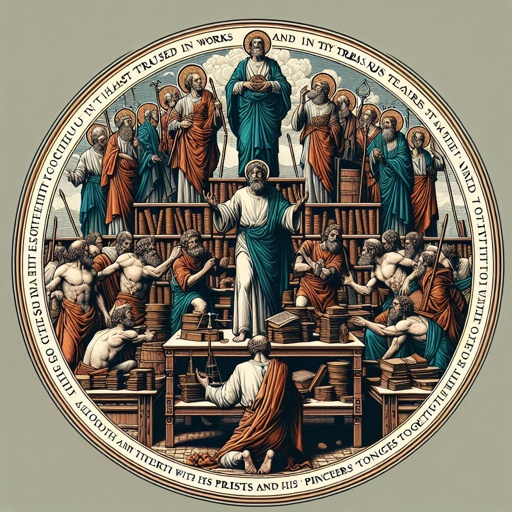
Jeremiah 48:7 - "¶ For because thou hast trusted in thy works and in thy treasures, thou shalt also be taken: and Chemosh shall go forth into captivity with his priests and his princes together."