What does Luke 8:5 mean?
“A sower went out to sow his seed: and as he sowed, some fell by the way side; and it was trodden down, and the fowls of the air devoured it.” — Luke 8:5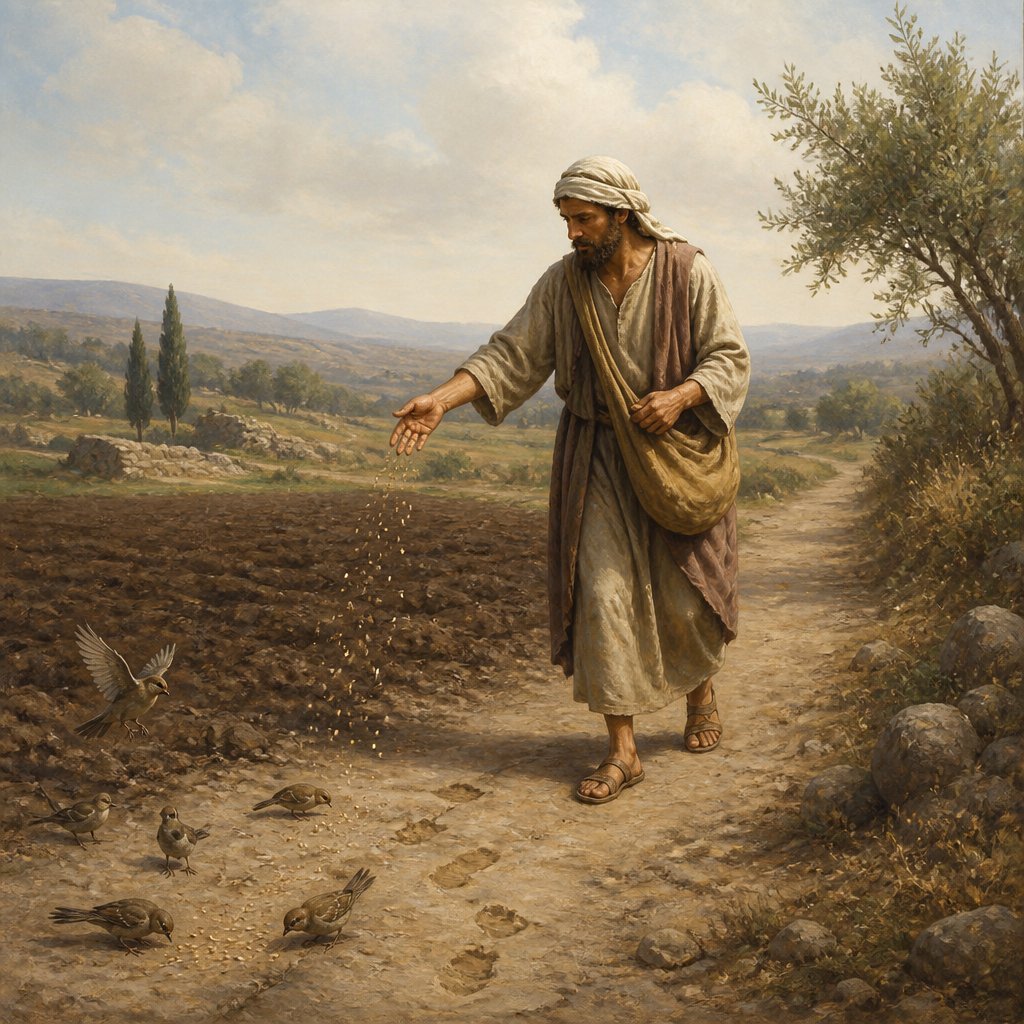
Luke 8:5, from the King James Version (KJV) of the Bible, reads, "A sower went out to sow his seed: and as he sowed, some fell by the way side; and it was trodden down, and the fowls of the air devoured it." This verse is part of a parable spoken by Jesus, known as the Parable of the Sower, which is found in the Gospel of Luke, chapter 8.
The Parable of the Sower is one of the most well-known and important parables spoken by Jesus. In this parable, Jesus compares the spreading of the word of God to a sower who goes out to sow seeds. The seed represents the word of God, and the different types of soil that the seed falls on represent the different ways that people receive and respond to the word of God. In Luke 8:5, Jesus describes the first type of soil, which is the wayside. The seed falls on this soil, but it is trampled down and eaten by birds, meaning that the word of God does not take root in the hearts of some people.
The parable continues with Jesus describing three other types of soil: the rocky ground, the thorny ground, and the good soil. In each case, the seed falls, and the response of the soil represents the various ways that people respond to the word of God. The rocky ground represents those who initially receive the word with joy, but then fall away when faced with trials and persecution. The thorny ground represents those who receive the word, but are choked by the worries, riches, and pleasures of this life. Finally, the good soil represents those who hear the word, hold it fast in an honest and good heart, and bear fruit with patience.
The Parable of the Sower is rich with meaning and insight into the human heart and the ways in which people respond to the message of the gospel. It speaks to the importance of hearing and understanding the word of God, and the need for fertile hearts that can receive and respond to the message of Jesus.
One of the key themes of the Parable of the Sower is the different responses of people to the word of God. Through the various types of soil, Jesus illustrates the different ways that people can receive or reject the gospel message. The parable serves as a warning to those who may hear the word of God but fail to respond with faith and obedience. It also serves as an encouragement to those who have received the word of God and have borne fruit for the kingdom of God.
The Parable of the Sower also speaks to the importance of perseverance and faithfulness in the Christian life. The rocky ground and thorny ground represent the challenges and obstacles that can hinder our growth as Christians. But the good soil represents those who remain faithful and bear fruit despite the trials and temptations of this world. This parable encourages believers to remain steadfast in their faith, and to continue to grow and produce good fruit for the kingdom of God.
Additionally, the Parable of the Sower speaks to the sovereignty of God in the process of salvation. The sower in the parable represents Jesus, who spreads the seed of the word of God. The response of the different types of soil represents the varied responses of people to the gospel message. This parable reflects the truth that ultimately, it is God who brings about the growth and fruitfulness in the lives of believers. It is a reminder that our salvation and spiritual growth are ultimately the work of God, and not dependent solely on human effort.
In terms of context, the Parable of the Sower is found in the Gospel of Luke, which was written by Luke, a physician and companion of the apostle Paul. Luke wrote his gospel to provide an orderly account of the life, teachings, death, and resurrection of Jesus Christ. The parable is part of a larger collection of teachings and parables spoken by Jesus, and is situated within the broader narrative of Jesus' ministry, as he travels and teaches throughout Galilee and beyond.
Symbolically, the seed in the parable represents the word of God, which is sown by Jesus and shared by his followers. The different types of soil represent the various responses of people to the message of the gospel. The wayside, rocky ground, and thorny ground represent those who reject or fail to fully embrace the message of Jesus, while the good soil represents those who receive the word of God and bear fruit for the kingdom of God. The birds that devour the seed in Luke 8:5 symbolize the forces of evil and distractions that can hinder people from receiving and responding to the word of God.
In conclusion, Luke 8:5, as part of the Parable of the Sower, holds deep and profound meaning for Christians and serves as a timeless and powerful reminder of the varied responses of people to the gospel message. It challenges believers to examine the condition of their own hearts and encourages them to remain steadfast and faithful in their walk with Christ. The parable also speaks to the sovereignty of God in the process of salvation and the importance of hearing, understanding, and responding to the word of God. It serves as a timeless and relevant message for believers in every generation.
Get our apps


Artwork for Luke 8:5

Luke 8:5-8

Luke 8:5 - "A sower went out to sow his seed: and as he sowed, some fell by the way side; and it was trodden down, and the fowls of the air devoured it."
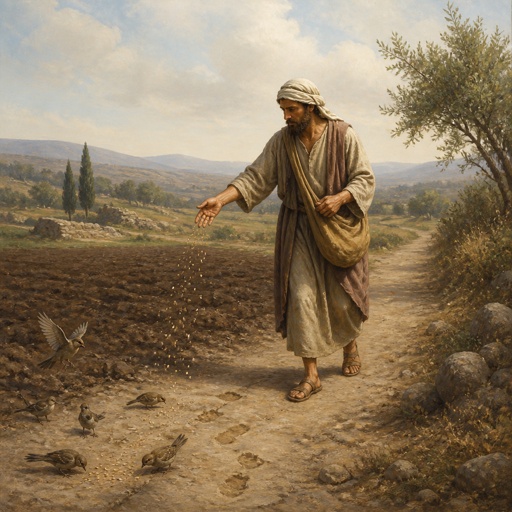
"A sower went out to sow his seed: and as he sowed, some fell by the way side; and it was trodden down, and the fowls of the air devoured it." - Luke 8:5

Luke 5:8 - "When Simon Peter saw it, he fell down at Jesus' knees, saying, Depart from me; for I am a sinful man, O Lord."

luke 5:5

Luke 10:5

Luke 10:5

Luke 10:5

Luke 8:16

Luke 8:11

Luke 8:17

Luke 8:13

Luke 8:13

Luke 8:13

Luke 5:36

Luke 5:39

Luke 24:8 - "And they remembered his words,"

Luke 2 v 8

Luke 8:4-18

Luke 5:1-11

Luke 5:17-26

Luke 5:1-11

luke 21:5-19

Luke 8:11 - "Now the parable is this: The seed is the word of God."

Luke 5:16 - "¶ And he withdrew himself into the wilderness, and prayed."

Luke 8:53 - "And they laughed him to scorn, knowing that she was dead."

Luke 22:5 - "And they were glad, and covenanted to give him money."

Luke 5:32 - "I came not to call the righteous, but sinners to repentance."

Luke 8:26 - "¶ And they arrived at the country of the Gadarenes, which is over against Galilee."

Luke 5:28 - "And he left all, rose up, and followed him."