What does Luke 8:9 mean?
“And his disciples asked him, saying, What might this parable be?” — Luke 8:9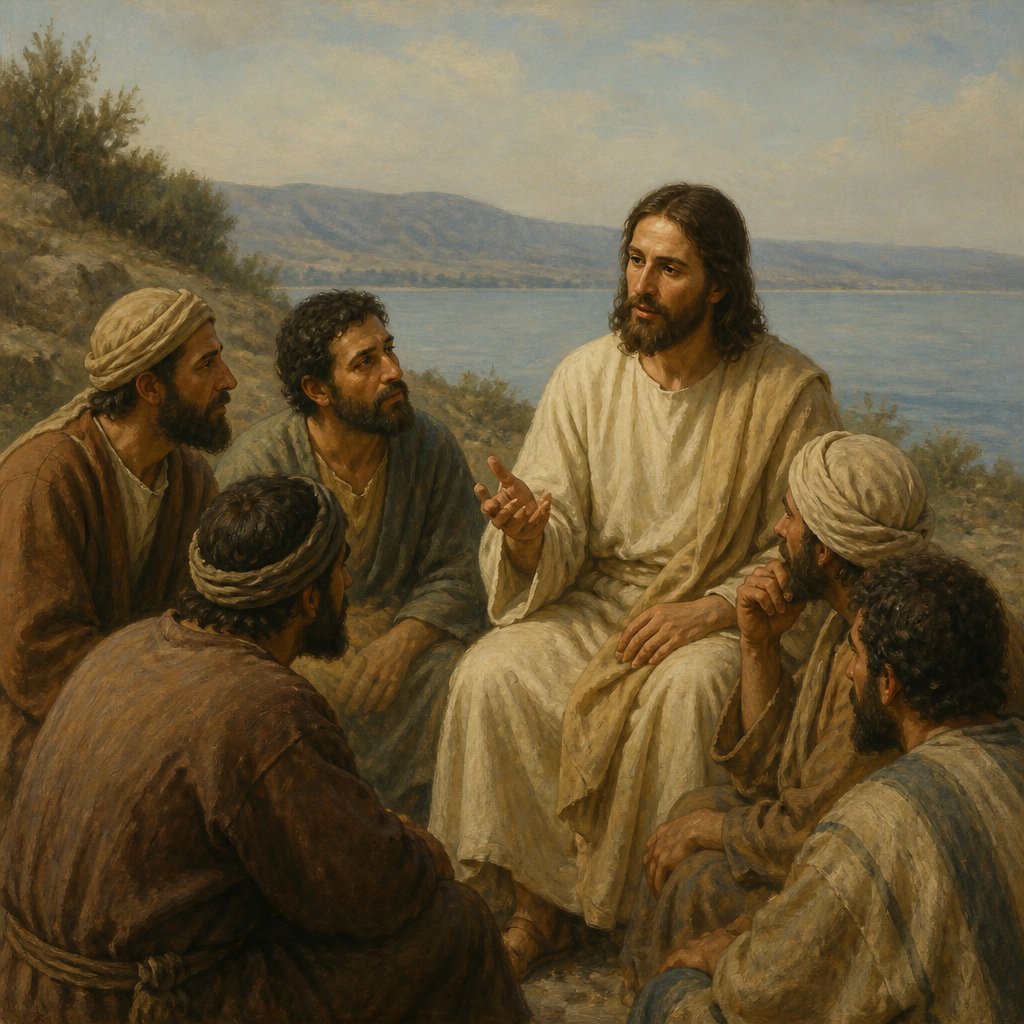
The Bible verse Luke 8:9 in the King James Version (KJV) reads, "And his disciples asked him, saying, What might this parable be?" This verse is found within the context of Luke 8, which contains various parables told by Jesus to the crowds as well as to his disciples. In this particular passage, Jesus tells the parable of the sower, which is a well-known and often-interpreted parable in the Christian tradition.
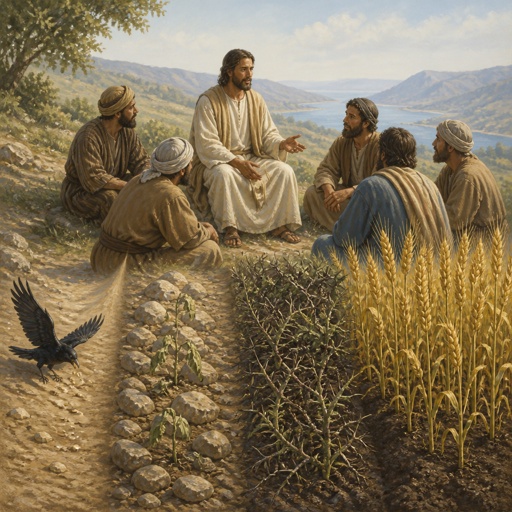
The parable of the sower is a story about a farmer scattering seed, which falls on different types of soil. The seed that falls on the path is eaten by birds, the seed that falls on rocky ground withers, the seed that falls among thorns is choked, and the seed that falls on good soil grows and produces a bountiful harvest. After telling the parable, Jesus' disciples approach him and ask for an explanation of its meaning. This verse is the beginning of Jesus' explanation of the parable, which encompasses verses 10 to 15.
In interpreting this verse and the parable as a whole, it is important to consider the overarching themes of the passage, the historical context in which it was written, and the symbolism inherent in the parable. The themes of sowing, growth, and reception of the Word of God are central to the parable and its interpretation. Additionally, the context of Jesus' ministry and the audience to whom he was speaking provide insight into the meaning of the parable.
The parable of the sower and its explanation touch on several significant themes in Christian theology. The image of the sower scattering seed is a metaphor for the spreading of the gospel message, and the various types of soil represent different responses to the message. The parable emphasizes the importance of receptive hearts and the potential for growth and abundance when the Word of God is received and nurtured. It also highlights the obstacles and challenges that can hinder spiritual growth, such as hardness of heart, shallowness of faith, and the distractions of worldly concerns.
The historical context of Jesus' ministry is also important to consider when interpreting this verse and the parable. During his earthly ministry, Jesus often used parables to communicate deep spiritual truths to those who were open to hearing them while veiling the meaning from those whose hearts were hardened. This context of deliberate teaching and veiled revelation adds layers of complexity to the parable and its meaning for both the disciples and the crowds who heard it.
In terms of symbolism, the different types of soil in the parable represent the varying conditions of the human heart in response to the gospel message. The path symbolizes hearts that are hardened and impervious to the Word of God, the rocky ground symbolizes hearts that initially receive the Word with joy but lack depth and endurance, the thorny ground symbolizes hearts that are distracted by the cares and pleasures of the world, and the good soil symbolizes hearts that are open, receptive, and fruitful in their response to the Word.
As Jesus begins to explain the parable in response to the disciples' question, he delves into the symbolism and meaning of each element, providing spiritual and practical insights for his followers. His response reflects his desire to cultivate understanding and faith in his disciples, encouraging them to engage with the deeper truths of the kingdom of God.
In conclusion, Luke 8:9 in the King James Version is a pivotal verse that marks the beginning of Jesus' explanation of the parable of the sower. Through this passage, Jesus invites his disciples—and by extension, all believers—to delve into the meaning and significance of the parable, exploring its themes, context, and symbolism to gain insight into the reception and impact of the Word of God in their lives. This verse serves as a reminder of the importance of cultivating receptive hearts and nurturing the growth of faith in response to the gospel message.
Get our apps


Artwork for Luke 8:9

Luke 8:9 - "And his disciples asked him, saying, What might this parable be?"

"And his disciples asked him, saying, What might this parable be?" - Luke 8:9

Luke 8:9-15 - "His disciples asked him what this parable meant. He said, “The knowledge of the secrets of the kingdom of God has been given to you, but to others I speak in parables, so that, ‘though seeing, they may not see; though hearing, they may not understand.’ This is the meaning of the parable: The seed is the word of God. Those along the path are the ones who hear, and then the devil comes and takes away the word from their hearts, so that they may not believe and be saved. Those on the rocky ground are the ones who receive the word with joy when they hear it, but they have no root. They believe for a while, but in the time of testing they fall away. The seed that fell among thorns stands for those who hear, but as they go on their way they are choked by life’s worries, riches and pleasures, and they do not mature. But the seed on good soil stands for those with a noble and good heart, who hear the word, retain it, and by persevering produce a crop."
"His disciples asked him what this parable meant. He said, “The knowledge of the secrets of the kingdom of God has been given to you, but to others I speak in parables, so that, ‘though seeing, they may not see; though hearing, they may not understand.’ This is the meaning of the parable: The seed is the word of God. Those along the path are the ones who hear, and then the devil comes and takes away the word from their hearts, so that they may not believe and be saved. Those on the rocky ground are the ones who receive the word with joy when they hear it, but they have no root. They believe for a while, but in the time of testing they fall away. The seed that fell among thorns stands for those who hear, but as they go on their way they are choked by life’s worries, riches and pleasures, and they do not mature. But the seed on good soil stands for those with a noble and good heart, who hear the word, retain it, and by persevering produce a crop." - Luke 8:9-15

Luke 9:8 - "And of some, that Elias had appeared; and of others, that one of the old prophets was risen again."

Luke 10:8-9 - "When you enter a town and are welcomed, eat what is offered to you. Heal the sick who are there and tell them, 'The kingdom of God has come near to you.'"

Luke 2:8-9 - "And there were shepherds living out in the fields nearby, keeping watch over their flocks at night. An angel of the Lord appeared to them, and the glory of the Lord shone around them, and they were terrified."

"And of some, that Elias had appeared; and of others, that one of the old prophets was risen again." - Luke 9:8

Luke 8:5-8

Luke 11:9

luke 9:30

luke 9:35

luke 9:35

Luke 9:51

Luke 11:9

Luke 8:16

Luke 8:11

Luke 8:17

Luke 8:13

Luke 8:13

Luke 8:13

Luke 24:8 - "And they remembered his words,"

Luke 9:54-55

Luke 18:9-14

Luke 9:28-45

Luke 11:9-10

Luke 13:6-9

Luke 18: 9-14

luke 9:29- 30

Luke 2 v 8