What does Luke 9:8 mean?
“And of some, that Elias had appeared; and of others, that one of the old prophets was risen again.” — Luke 9:8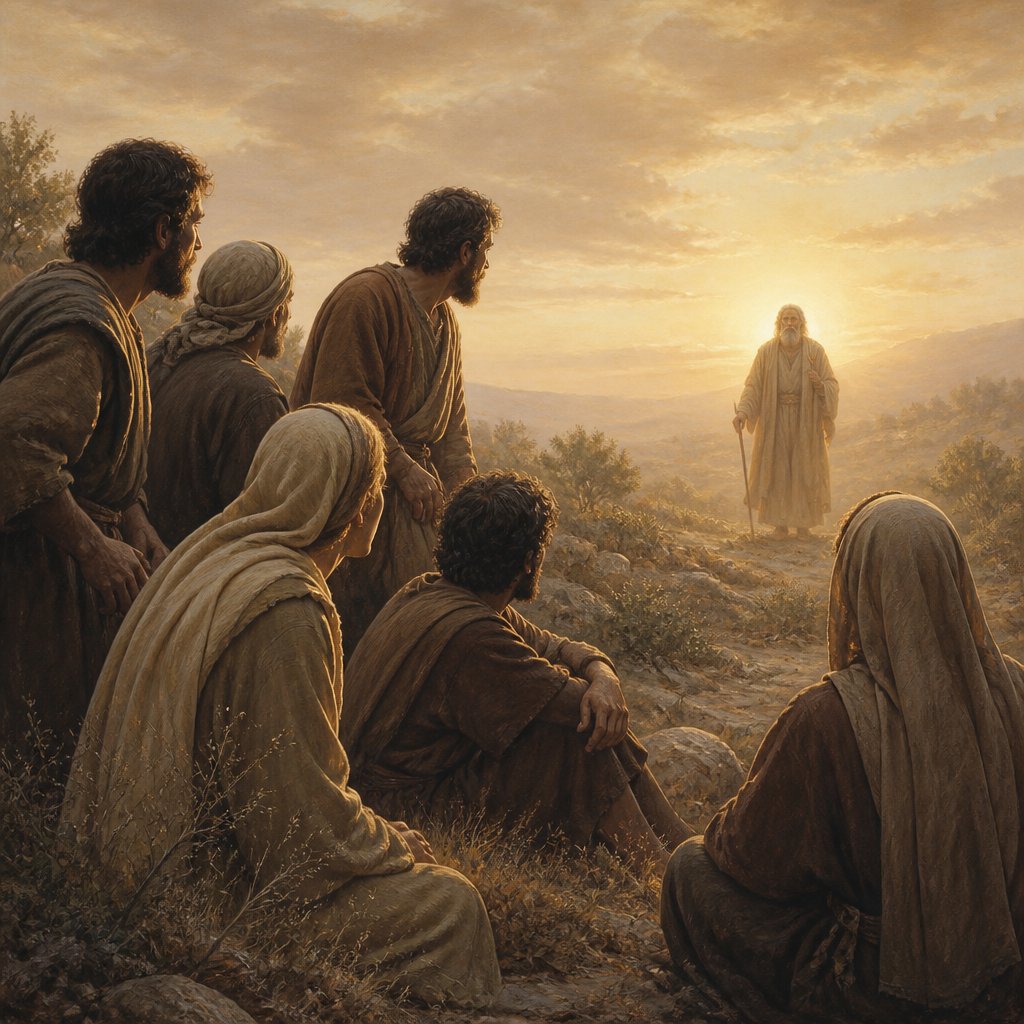
Luke 9:8 in the King James Version (KJV) of the Bible reads: "And of some, that Elijah had appeared; and of others, that one of the old prophets was risen again."
This verse comes from the ninth chapter of the Gospel of Luke, which is one of the four Gospels in the New Testament. In this chapter, Luke recounts the events of Jesus sending out the twelve apostles to proclaim the kingdom of God and to heal the sick. The verse specifically comes from a moment when Herod, the tetrarch, hears about Jesus and is trying to figure out who he is. Herod hears different opinions about Jesus: some people think he is Elijah, and others believe he is one of the old prophets come back to life.
The verse reflects the confusion and speculation surrounding Jesus's identity during his time on earth. People were trying to understand who he was and what his purpose was. This reflects the theme of identity and recognition in the Gospel of Luke. Throughout the Gospel, there are various instances where people struggle to understand who Jesus is and what he has come to do. This verse is just one example of this ongoing confusion and debate.
In terms of context, it is important to note that Elijah was a prominent figure in the Old Testament. He was a prophet who performed miracles and had a significant impact on the people of Israel. According to the Jewish tradition, Elijah did not die but was taken up to heaven in a whirlwind (2 Kings 2:11). This belief in Elijah's return led to the expectation of the coming of a great prophet before the arrival of the Messiah (Malachi 4:5).
So when the people were speculating whether Jesus was Elijah, they were considering him as a potential forerunner of the Messiah. This reflects the anticipation and hope associated with the arrival of the Messiah, which was a central theme in the context of Jesus's ministry.
The verse also reflects the belief in the resurrection of the dead. In Jewish thought, there was an expectation of the resurrection of the dead at the end of the age. The idea that one of the old prophets had risen again indicates the belief in the resurrection and the hope for the restoration of the righteous in the future.
In terms of symbolism, the mentioning of Elijah and the old prophets carries significant weight. Elijah represents the prophetic tradition of Israel, and his return was connected to the expectation of the fulfillment of the prophecies. The old prophets, on the other hand, represent the tradition and history of Israel, pointing to the belief in the continuity of God's work throughout the history of the people.
This verse also brings up the theme of recognition and understanding. The people were struggling to recognize and understand who Jesus was. This reflects the spiritual blindness and confusion that often hindered people from recognizing the truth in Jesus's ministry.
In conclusion, Luke 9:8 from the King James Version of the Bible captures the anticipation, confusion, and speculation surrounding Jesus's identity and mission. It reflects the themes of identity, recognition, and the hope for the fulfillment of God's promises. The mention of Elijah and the old prophets adds depth and symbolism to the verse, connecting it to the rich tradition and history of Israel. This verse serves as a reminder for us to seek the truth and understanding in Christ's ministry and to recognize the fulfillment of God's promises in him.
Get our apps


Artwork for Luke 9:8

Luke 9:8 - "And of some, that Elias had appeared; and of others, that one of the old prophets was risen again."

"And of some, that Elias had appeared; and of others, that one of the old prophets was risen again." - Luke 9:8

Luke 8:9 - "And his disciples asked him, saying, What might this parable be?"

"And his disciples asked him, saying, What might this parable be?" - Luke 8:9

Luke 10:8-9 - "When you enter a town and are welcomed, eat what is offered to you. Heal the sick who are there and tell them, 'The kingdom of God has come near to you.'"

Luke 2:8-9 - "And there were shepherds living out in the fields nearby, keeping watch over their flocks at night. An angel of the Lord appeared to them, and the glory of the Lord shone around them, and they were terrified."

Luke 8:5-8
Luke 11:9

luke 9:30

luke 9:35

luke 9:35

Luke 9:51

Luke 11:9

Luke 8:16

Luke 8:11

Luke 8:17

Luke 8:13

Luke 8:13

Luke 8:13

Luke 24:8 - "And they remembered his words,"

Luke 9:54-55

Luke 18:9-14

Luke 9:28-45

Luke 11:9-10

Luke 13:6-9

Luke 18: 9-14

luke 9:29- 30

Luke 2 v 8

Luke 8:4-18

Luke 8:11 - "Now the parable is this: The seed is the word of God."