What does Mark 1:40 mean?
“And there came a leper to him, beseeching him, and kneeling down to him, and saying unto him, If thou wilt, thou canst make me clean.” — Mark 1:40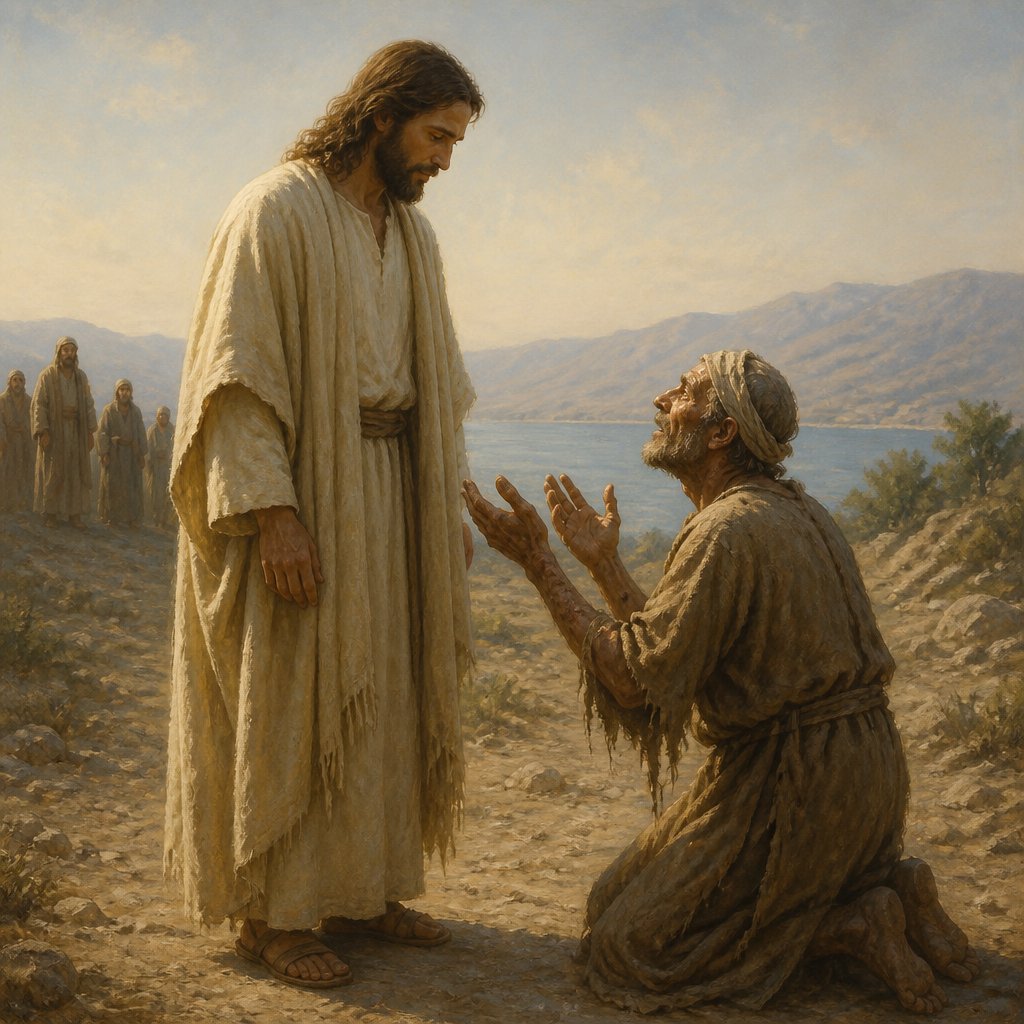
The verse Mark 1:40 in the King James Version of the Bible reads, "And there came a leper to him, beseeching him, and kneeling down to him, and saying unto him, If thou wilt, thou canst make me clean."
This verse is part of the account of Jesus' healing ministry as recorded in the Gospel of Mark. In this particular instance, a man afflicted with leprosy approaches Jesus, seeking to be cleansed from his condition. The leper's actions are noteworthy; he not only approaches Jesus, but he beseeches Him, kneels down before Him, and expresses his belief in Jesus' ability to heal him, saying, "If thou wilt, thou canst make me clean."
One of the central themes of this passage is the power of faith. The leper's approach to Jesus demonstrates his unwavering faith in Jesus' ability to heal him. Despite his affliction and the stigma attached to leprosy in that culture, the leper believes that Jesus has the power to make him clean. The man approaches Jesus with humility, acknowledging Jesus' authority and submitting to His will. This displays an important lesson in persistence and belief, as the leper's undying faith in Jesus ultimately leads to his healing.
The context of this verse is significant as well. In ancient Jewish culture, leprosy was not only a physical ailment but also a spiritual one. Lepers were considered unclean and were often marginalized from society. Their condition was seen as a punishment for sin, and they were required to live apart from the rest of the community. By reaching out to the leper and healing him, Jesus displays His compassion and power over both physical and spiritual afflictions. This act challenges societal norms and demonstrates that Jesus' healing ministry is not limited by human perceptions or prejudices.
The symbolism in this verse is also profound. The leprosy can be seen as a representation of sin and its effects on the human soul. Just as leprosy defiles the body, sin stains the spirit and separates us from God. The leper's plea for cleansing can be seen as a metaphor for the believer's need for spiritual restoration. In approaching Jesus, the leper exemplifies the repentant sinner who seeks the mercy and cleansing of God. Jesus' response to the leper's plea reflects His capacity for forgiveness, healing, and restoration.
Furthermore, the act of Jesus reaching out to touch the leper is significant. In Jewish culture, touching a leper was strictly forbidden due to the fear of contamination. However, Jesus disregards these social taboos and demonstrates His willingness to heal and restore those who have been rejected and ostracized. This act symbolizes Jesus' willingness to reach out to the marginalized and offer them a path to restoration and inclusion in the community.
In conclusion, Mark 1:40 from the King James Version presents a powerful example of faith, compassion, and the transformative power of Jesus' healing ministry. The leper's approach to Jesus and Jesus' response to his plea carry profound lessons about the nature of faith, the depth of Jesus' compassion, and the transformative power of His healing touch. This passage continues to inspire and challenge believers to approach Jesus with humility, faith, and the assurance that He has the power to cleanse and restore.
Get our apps


Artwork for Mark 1:40

Mark 1:40 - "And there came a leper to him, beseeching him, and kneeling down to him, and saying unto him, If thou wilt, thou canst make me clean."
"And there came a leper to him, beseeching him, and kneeling down to him, and saying unto him, If thou wilt, thou canst make me clean." - Mark 1:40

Mark 9:40 - "For he that is not against us is on our part."

Mark 6:40 - "And they sat down in ranks, by hundreds, and by fifties."

"And they sat down in ranks, by hundreds, and by fifties." - Mark 6:40

"For he that is not against us is on our part." - Mark 9:40

Mark 4:40 - "And he said unto them, Why are ye so fearful? how is it that ye have no faith?"

Mark 15:40 - "There were also women looking on afar off: among whom was Mary Magdalene, and Mary the mother of James the less and of Joses, and Salome;"

Mark 10:40 - "But to sit on my right hand and on my left hand is not mine to give; but it shall be given to them for whom it is prepared."

Mark 14:40 - "And when he returned, he found them asleep again, (for their eyes were heavy,) neither wist they what to answer him."

Mark 12:40 - "Which devour widows' houses, and for a pretence make long prayers: these shall receive greater damnation." The image should not depict explicit or offensive content but be symbolic.

"And he said unto them, Why are ye so fearful? how is it that ye have no faith?" - Mark 4:40

Mark 5:40 - "And they laughed him to scorn. But when he had put them all out, he taketh the father and the mother of the damsel, and them that were with him, and entereth in where the damsel was lying."

Jeremiah 40

Isaiah 40:4

1 Corinthians 14:36-40

Ezekiel 40:1 - "In the five and twentieth year of our captivity, in the beginning of the year, in the tenth day of the month, in the fourteenth year after that the city was smitten, in the selfsame day the hand of the LORD was upon me, and brought me thither."

1 Corinthians 14:39-40

Psalms 40: 1:-11
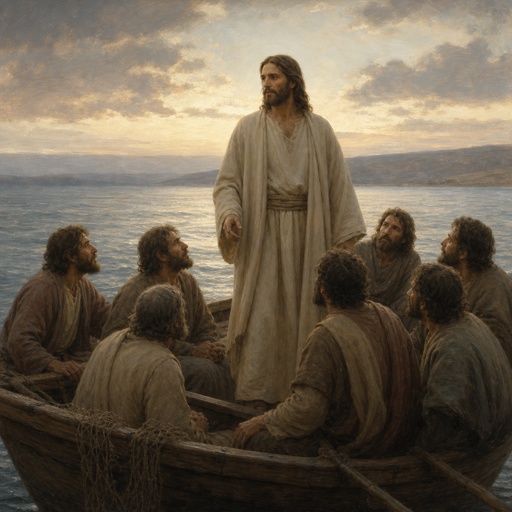
"And he said unto them, Why are ye so fearful? how is it that ye have no faith?" - Mark 4:40
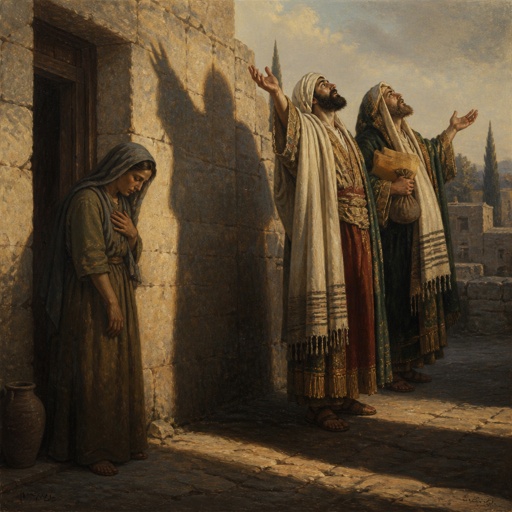
"Which devour widows' houses, and for a pretence make long prayers: these shall receive greater damnation." - Mark 12:40

1 Esdras 1:40 KJVA (40) Wherefore against him Nabuchodonosor the king of Babylon came up, and bound him with a chain of brass, and carried him into Babylon.

Exodus 40:1 - "And the LORD spake unto Moses, saying,"

Luke 1:40 - "And entered into the house of Zacharias, and saluted Elisabeth."

1 Samuel 17:38-40

Job 40:1 - "Moreover the LORD answered Job, and said,"

1 Chronicles 11:40 - "Ira the Ithrite, Gareb the Ithrite,"

Exodus 25:31-40 This is an oil lampstand.
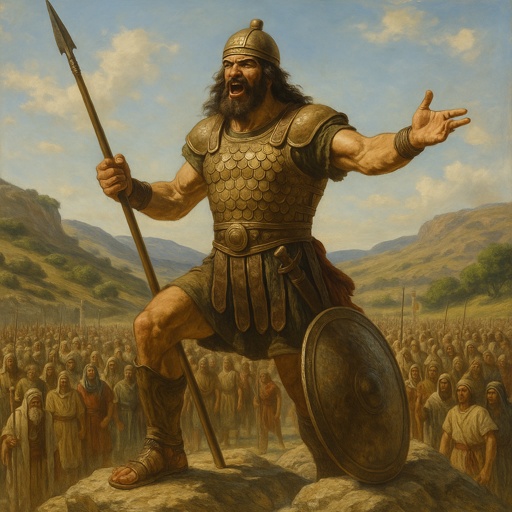
SHOW gOLIATH TAUNTING iSRAELITES FOR 40 DAYS
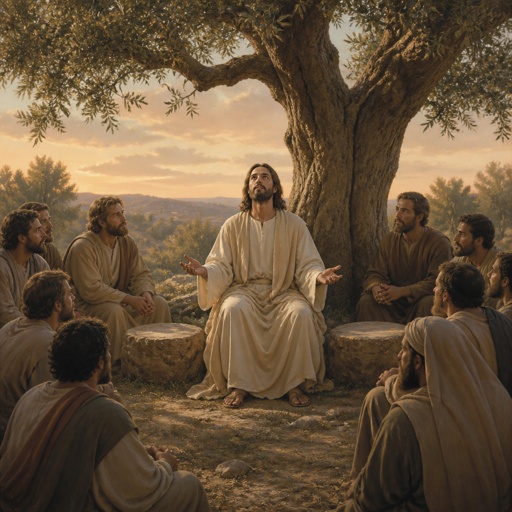
"But to sit on my right hand and on my left hand is not mine to give; but it shall be given to them for whom it is prepared." - Mark 10:40