What does Mark 1:44 mean?
“And saith unto him, See thou say nothing to any man: but go thy way, shew thyself to the priest, and offer for thy cleansing those things which Moses commanded, for a testimony unto them.” — Mark 1:44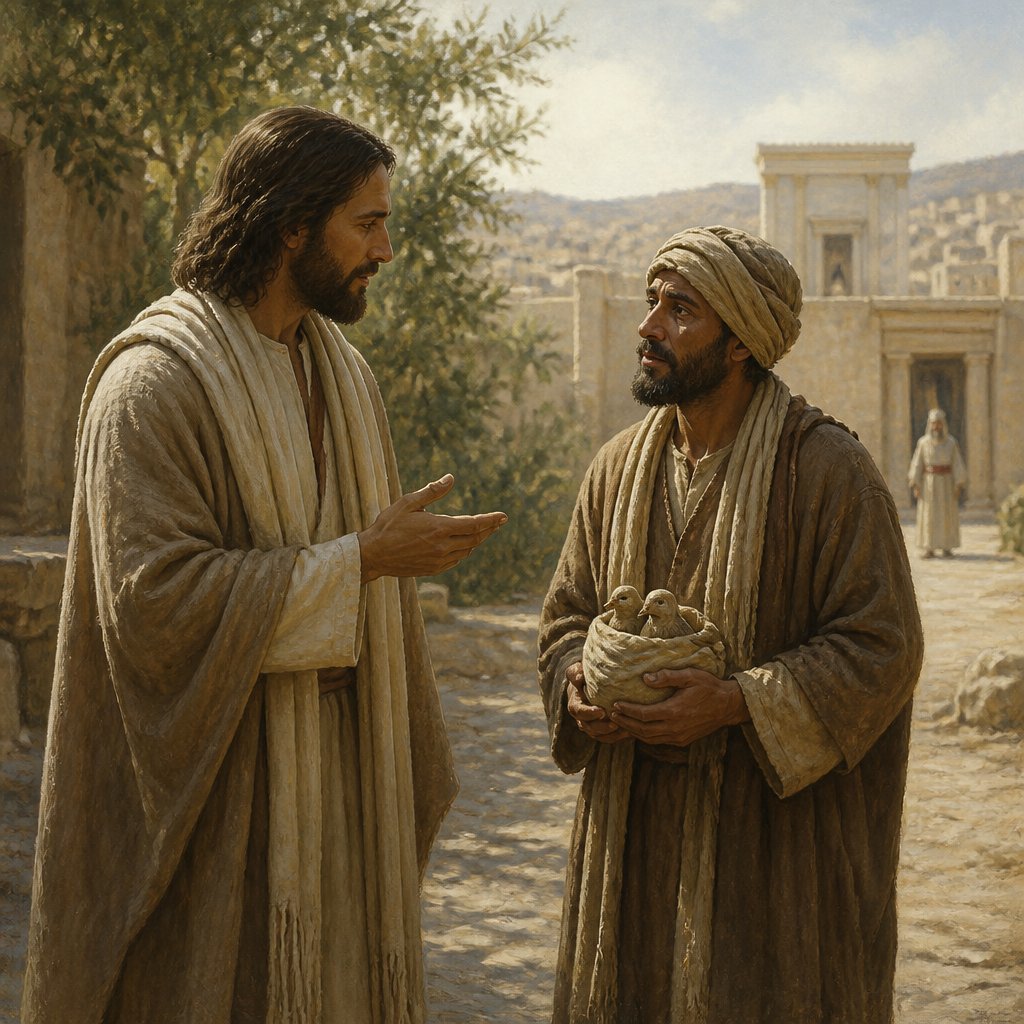
The Bible verse Mark 1:44 from the King James Version (KJV) reads:
"And saith unto him, See thou say nothing to any man: but go thy way, shew thyself to the priest, and offer for thy cleansing those things which Moses commanded, for a testimony unto them."
This verse is part of the larger narrative found in the Gospel of Mark, which is one of the four canonical gospels in the New Testament. The Gospel of Mark is traditionally attributed to John Mark, who is believed to have been a companion of the apostle Peter. The book is thought to have been written between 50-70 AD and is the shortest of the four gospels.
In this specific verse, Jesus has just healed a man with leprosy. Leprosy, also known as Hansen's disease, is a chronic infectious disease that affects the skin and peripheral nerves. In ancient times, leprosy was considered a highly contagious and incurable condition, and those who suffered from it were often shunned and considered unclean. However, Jesus, as a healer and miracle-worker, is able to cure the man of his affliction.
The verse itself is part of Jesus' instructions to the healed man. He tells him not to tell anyone about the healing, but to go directly to the priest and present himself for a ritual purification according to the Mosaic law. This command is significant for a few reasons.
Firstly, it demonstrates Jesus' concern for obedience to the religious and social customs of the time. Even though he has the power to heal and cleanse the man, he still instructs him to follow the appropriate procedures for reintegration into society.
Secondly, the command to keep the healing a secret has been interpreted in a number of ways. Some scholars believe that Jesus wanted to avoid attracting too much attention at this particular moment in his ministry, as it could have hindered his ability to move freely and continue his work. Others suggest that Jesus wanted to make a point about the importance of humility and obedience, as well as to prevent people from coming to him solely for the sake of physical healing, rather than for spiritual nourishment.
The reference to "those things which Moses commanded" underscores the Jewish context of the narrative. The Mosaic law, which includes detailed regulations for ritual purity and cleansing, was central to the religious and cultural identity of the Jewish people. By instructing the healed man to follow these prescriptions, Jesus affirms the validity of the Jewish law while at the same time signaling the arrival of a new era in which the kingdom of God is breaking into human history through his ministry.
Overall, this verse highlights several important themes that run through the Gospel of Mark. First and foremost, it emphasizes Jesus' authority as a miracle-worker and healer. The fact that he is able to cure a man of leprosy showcases his power over physical ailments and his compassion for those who are marginalized and suffering.
Additionally, the verse speaks to the theme of secrecy and revelation in Mark's Gospel. Throughout the narrative, Jesus frequently instructs those who witness his miracles not to disclose what they have seen. This is often referred to as the "messianic secret," and it has been the subject of much scholarly debate. Some scholars argue that the secrecy motif reflects Mark's emphasis on the enigmatic nature of Jesus' identity, as well as the paradoxical nature of his messiahship.
Finally, the verse speaks to the overarching theme of the gospel, which is the imminent arrival of the kingdom of God. The healing of the leper, as well as the other miracles that occur throughout the narrative, serves as a sign that God's reign is drawing near. The focus on the fulfillment of the Mosaic law also points to the idea that Jesus is inaugurating a new era in which the old order of things is being replaced by something radically new and transformative.
In terms of symbolism, the healing of the leper can be seen as a metaphor for the spiritual healing and renewal that Jesus offers to all who come to him. Just as the leper is cleansed of his physical affliction, those who encounter Jesus are invited to experience a deeper cleansing of their hearts and souls. The ritual purification prescribed by Jesus can also be interpreted as a symbol of the broader theme of restoration and reconciliation that runs throughout the biblical narrative.
In conclusion, Mark 1:44 is a rich and multi-layered verse that encapsulates some of the key themes and motifs of the Gospel of Mark. It highlights Jesus' authority as a healer and miracle-worker, as well as his relationship to the Jewish religious tradition. It also speaks to the broader theological themes of secrecy and revelation, and the inauguration of the kingdom of God. As such, it is a verse that invites readers to reflect on the nature of Jesus' ministry and his significance for the ongoing story of salvation.
Get our apps


Artwork for Mark 1:44

Mark 1:44 - "And saith unto him, See thou say nothing to any man: but go thy way, shew thyself to the priest, and offer for thy cleansing those things which Moses commanded, for a testimony unto them."
"And saith unto him, See thou say nothing to any man: but go thy way, shew thyself to the priest, and offer for thy cleansing those things which Moses commanded, for a testimony unto them." - Mark 1:44

Mark 12:41 - 44
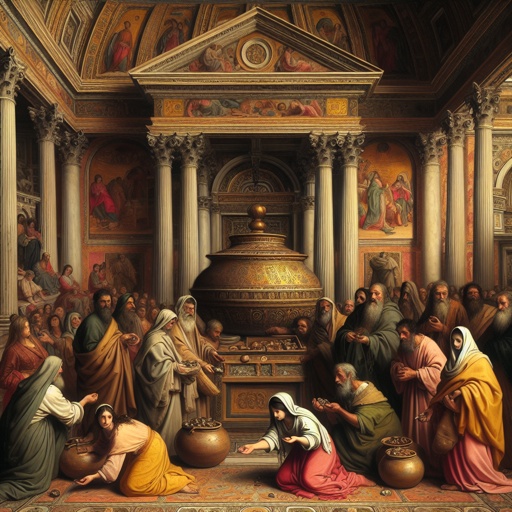
Mark 12:41 - 44

Mark 12:41 - 44

Mark 12:41 - 44

Mark 12:41 - 44

Mark 10:44 - "And whosoever of you will be the chiefest, shall be servant of all."

Mark 9:44 - "Where their worm dieth not, and the fire is not quenched."

Mark 6:44 - "And they that did eat of the loaves were about five thousand men."

"Where their worm dieth not, and the fire is not quenched." - Mark 9:44

"And whosoever of you will be the chiefest, shall be servant of all." - Mark 10:44

Mark 12:44 - "For all they did cast in of their abundance; but she of her want did cast in all that she had, even all her living."

"And they that did eat of the loaves were about five thousand men." - Mark 6:44

Mark 14:44 - "And he that betrayed him had given them a token, saying, Whomsoever I shall kiss, that same is he; take him, and lead him away safely."

Mark 15:44 - "And Pilate marvelled if he were already dead: and calling unto him the centurion, he asked him whether he had been any while dead."

Ezekiel 44:5 - "And the LORD said unto me, Son of man, mark well, and behold with thine eyes, and hear with thine ears all that I say unto thee concerning all the ordinances of the house of the LORD, and all the laws thereof; and mark well the entering in of the house, with every going forth of the sanctuary."

Ezekiel 44 v 1

Ezekiel 44 v 1

Matthew 5:44

Matthew 5:44

acts 10:44-46

1 Chronicles 1:44 - "And when Bela was dead, Jobab the son of Zerah of Bozrah reigned in his stead."

John 1:44 - "Now Philip was of Bethsaida, the city of Andrew and Peter."

1 Kings 22:44 - "And Jehoshaphat made peace with the king of Israel."

1 Kings 7:44 - "And one sea, and twelve oxen under the sea;"

1 Chronicles 11:44 - "Uzzia the Ashterathite, Shama and Jehiel the sons of Hothan the Aroerite,"

Mark 12:43-44 - "Calling his disciples to him, Jesus said, "Truly I tell you, this poor widow has put more into the treasury than all the others. They all gave out of their wealth; but she, out of her poverty, put in everything—all she had to live on.""

1 Chronicles 2:44 - "And Shema begat Raham, the father of Jorkoam: and Rekem begat Shammai."
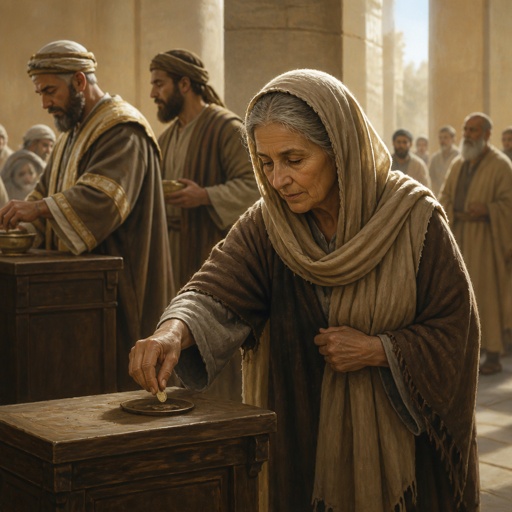
"For all they did cast in of their abundance; but she of her want did cast in all that she had, even all her living." - Mark 12:44