What does Mark 11:12 mean?
“And on the morrow, when they were come from Bethany, he was hungry:” — Mark 11:12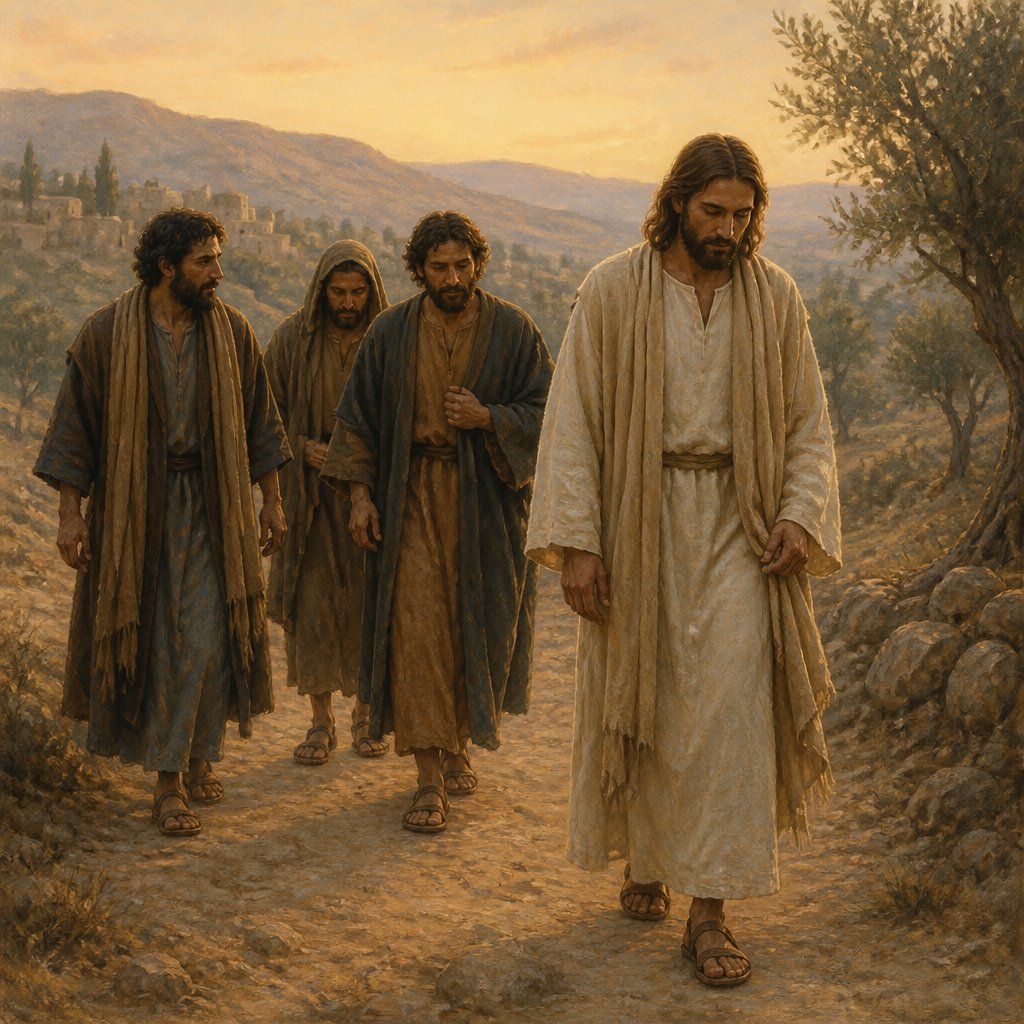
Mark 11:12 in the King James Version of the Bible states, "And on the morrow, when they were come from Bethany, he was hungry." This verse is part of a larger passage in the book of Mark that details Jesus' actions during the week leading up to his crucifixion. In order to understand the deeper meaning and commentary of this verse, it is important to examine the surrounding context, explore the themes present in the passage, and consider the symbolism that may be present.
The verse preceding Mark 11:12 describes Jesus' entry into Jerusalem, often referred to as "Palm Sunday." This event is significant in Christian tradition as it marks the beginning of the final week of Jesus' life. The people of Jerusalem greeted Jesus with enthusiasm, laying palm branches and their cloaks on the road as a sign of respect and homage. This event sets the stage for the events that follow, including the account of Jesus encountering the fig tree.
According to the passage, Jesus and his disciples were on their way back to Jerusalem from Bethany, a village located on the Mount of Olives. As they traveled, Jesus saw a fig tree in the distance and, being hungry, approached it in search of fruit. However, upon closer inspection, he found that the tree had no fruit, as it was not the season for figs. In response, Jesus cursed the fig tree, saying, "No man eat fruit of thee hereafter for ever" (Mark 11:14).
This seemingly abrupt and harsh action by Jesus has puzzled many readers and scholars. However, it is important to consider the symbolic and metaphorical layers of this event. The fig tree, often used as a symbol in the Bible, can represent Israel and its spiritual fruitfulness. In this context, the barren fig tree can be interpreted as a representation of Israel's religious leaders and their lack of spiritual fruit.
Jesus' hunger and disappointment at finding no fruit on the tree may symbolize his desire for spiritual nourishment and the spiritual state of the Jewish people. The timing of this event, occurring just after Jesus' triumphant entry into Jerusalem, may also suggest a parallel between the barren fig tree and the spiritual condition of the religious leaders and the nation as a whole.
In addition to its potential symbolic significance, this passage also reflects the theme of judgment and accountability. Jesus' actions in cursing the fig tree can be seen as a warning or a sign of impending judgment for those who claim to have spiritual significance but lack the fruit of faith and righteousness. The withering of the fig tree serves as a visual representation of the consequences of spiritual barrenness and unfaithfulness.
Furthermore, this passage can be seen as a teaching moment for Jesus' disciples and for those who would later read this account. It serves as a reminder of the importance of genuine faith and the need for spiritual fruitfulness. The passage can prompt individuals to examine their own lives and consider whether they are truly bearing the fruits of faith, love, and righteousness.
In conclusion, Mark 11:12, within the larger context of Jesus' actions during the final week of his life, carries deep symbolic and metaphorical meaning. It serves as a warning against spiritual barrenness and as a call for genuine faith and spiritual fruitfulness. The passage offers valuable lessons for believers and challenges them to examine their own lives in light of its teachings. Ultimately, it underscores the importance of authentic faith and the spiritual accountability of individuals and communities.
Get our apps


Artwork for Mark 11:12

Mark 11:12 - "¶ And on the morrow, when they were come from Bethany, he was hungry:"
"¶ And on the morrow, when they were come from Bethany, he was hungry:" - Mark 11:12

Mark 12:11 - "This was the Lord's doing, and it is marvellous in our eyes?"
"This was the Lord's doing, and it is marvellous in our eyes?" - Mark 12:11

Mark 10:11-12 - "He answered, “Anyone who divorces his wife and marries another woman commits adultery against her. And if she divorces her husband and marries another man, she commits adultery."
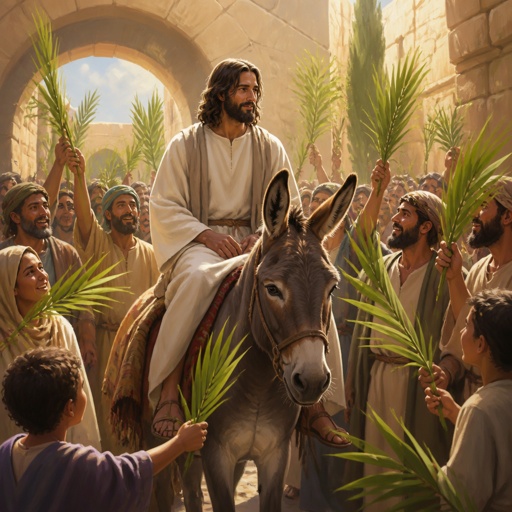
Mark 11:36

Mark 12:8

Mark 12:8

Mark 15:12

John 1:1-2

John 1:1-2

John 1:1-2

John 1:1-2

John 1:1-2

mark 2:1-12

Mark 12:41 - 44
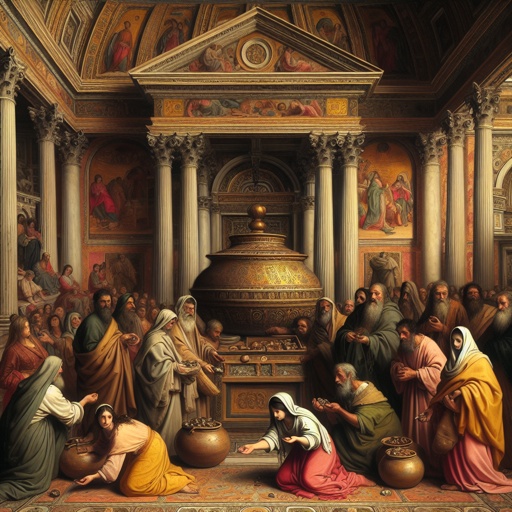
Mark 12:41 - 44

Mark 12:41 - 44

Mark 2:1-12

Mark 12:41 - 44

Mark 12:41 - 44

african american mark 16:11

Mark 1:12 - "And immediately the Spirit driveth him into the wilderness."

Mark 12:39 - "And the chief seats in the synagogues, and the uppermost rooms at feasts:"
Mark 6:12 - "And they went out, and preached that men should repent."

Mark 11:19 - "And when even was come, he went out of the city."

Mark 11:30 - "The baptism of John, was it from heaven, or of men? answer me."

Mark 3:12 - "And he straitly charged them that they should not make him known."

Mark 12:3 - "And they caught him, and beat him, and sent him away empty."

Acts 12:12 - "And when he had considered the thing, he came to the house of Mary the mother of John, whose surname was Mark; where many were gathered together praying."