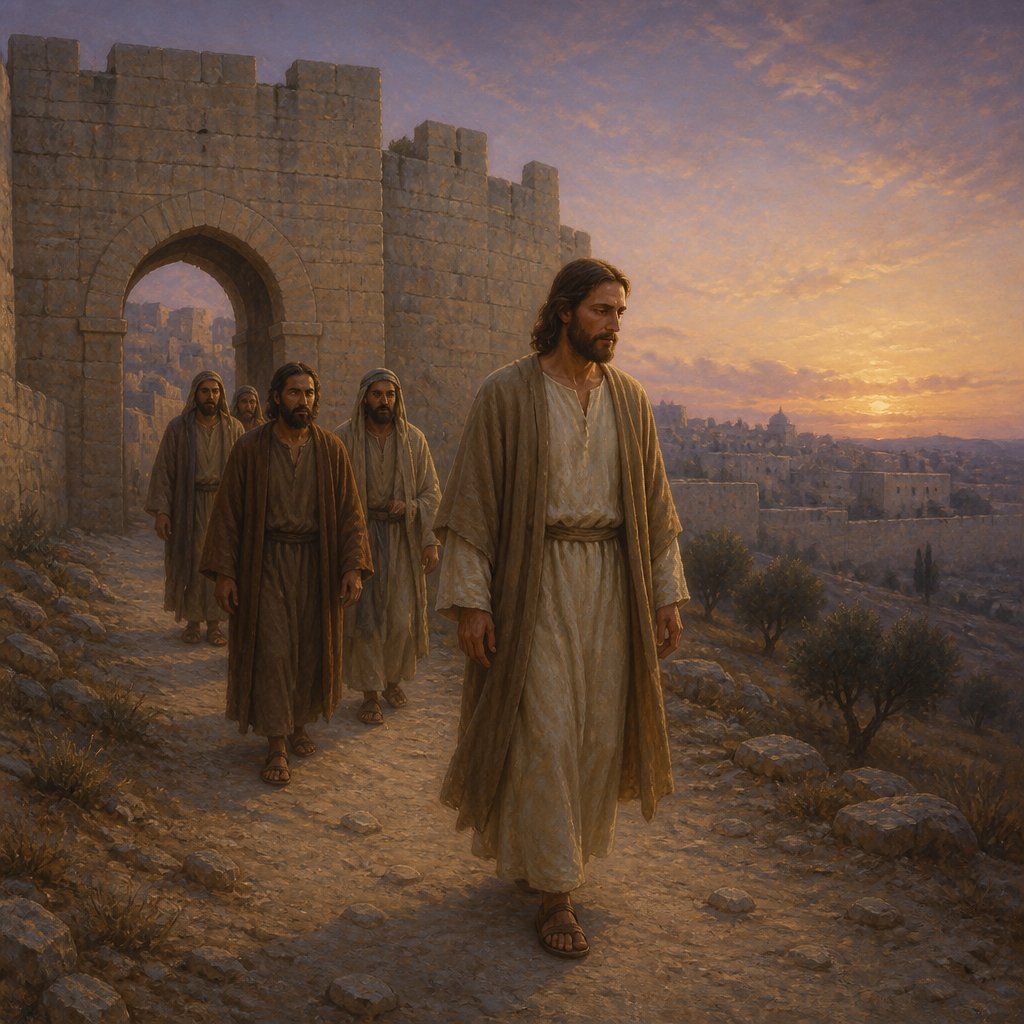
Mark 11:19 in the King James Version of the Bible states, "And when even was come, he went out of the city."
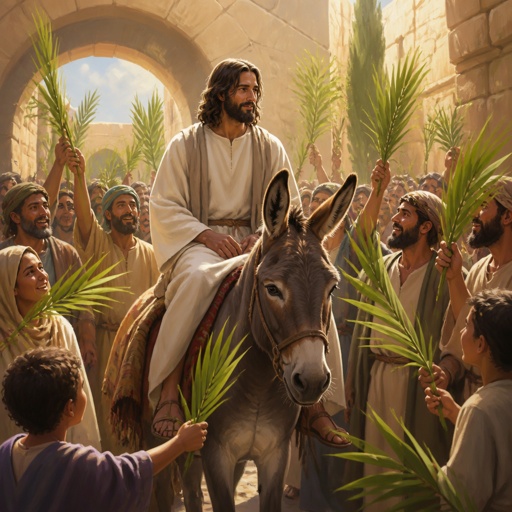
This verse comes at the end of a passage in the book of Mark that recounts Jesus’ entry into Jerusalem. In this passage, he triumphantly rides into the city on a donkey while crowds of people praise him, spreading their cloaks and palm branches on the road before him. This event is often referred to as Jesus’ "triumphal entry."
The verse itself is short, but it carries deep symbolic and thematic significance within the larger context of the book of Mark and within the broader narrative of the Gospels. To fully grasp the meaning of this verse, it is important to analyze it within its broader context.
The immediate context of Mark 11:19 is the larger story of Jesus’ ministry, his teachings, and his interactions with the religious and political authorities of his time. In this particular passage, it is significant to note that Jesus’ entry into Jerusalem marks a pivotal moment in his mission. It is the beginning of the climactic events that will lead to his crucifixion and ultimately his resurrection. The verse occurs at the conclusion of a day of intense and dramatic events, including Jesus’ cleansing of the temple and his interactions with the religious leaders.
In this context, the verse serves as a conclusion to the day’s events, marking the end of a significant and momentous day. However, the deeper meaning and symbolism of this verse extend beyond its immediate context.
The city of Jerusalem holds profound symbolic significance in the Bible. It is often used to represent the center of religious authority and the heart of the Jewish faith. In the Old Testament, it was the site of the Temple, the holiest place in Judaism. Therefore, Jesus’ entry into Jerusalem carries deep religious and political significance, and his departure from the city at the end of the day can be seen as a symbolic gesture.
In the broader thematic context of the Gospels, the verse can be seen as a foreshadowing of Jesus’ ultimate rejection by the religious and political authorities. Throughout the Gospels, Jesus’ interactions with the religious leaders and his teachings in Jerusalem are met with skepticism, hostility, and ultimately betrayal. His departure from the city, therefore, can be seen as a prelude to the events that will unfold in the coming days, culminating in his crucifixion.
The verse can also be interpreted in light of the theme of Jesus’ mission and purpose. Throughout the Gospels, Jesus demonstrates a clear sense of purpose and determination as he carries out his mission to bring about the kingdom of God. His departure from the city can be viewed as a deliberate and purposeful step in the fulfillment of his mission, as he moves closer to the events that will lead to his ultimate sacrifice and the fulfillment of God’s redemptive plan for humanity.
In addition to its thematic significance, the verse also carries symbolic weight. Jesus’ departure from the city can be seen as a symbol of his rejection by the religious establishment and his ultimate sacrifice for the sins of humanity. It serves as a poignant and powerful moment in the larger narrative of Jesus’ life and mission.
In conclusion, Mark 11:19 is a verse that holds deep thematic, symbolic, and contextual significance within the larger narrative of the Gospels. It marks a pivotal moment in Jesus’ mission and serves as a prelude to the events that will lead to his crucifixion and resurrection. Its themes of rejection, sacrifice, and purpose resonate throughout the broader narrative of Jesus’ life and mission, making it a verse of profound significance in the Christian faith.
Get our apps


Artwork for Mark 11:19

Mark 11:19 - "And when even was come, he went out of the city."

"And when even was come, he went out of the city." - Mark 11:19
Mark 11:36

Mark.19:52 Jeesus parantaa sokean

Mark 3:19 - "And Judas Iscariot, which also betrayed him: and they went into an house."

Mark 12:11 - "This was the Lord's doing, and it is marvellous in our eyes?"

african american mark 16:11

Mark 11:30 - "The baptism of John, was it from heaven, or of men? answer me."

Mark 14:19 - "And they began to be sorrowful, and to say unto him one by one, Is it I? and another said, Is it I?"

Ezekiel 28:11-19

Ezekiel 28:11-19

Ezekiel 28:11-19

Ezekiel 28:11-19

Ezekiel 28:11-19

Ezekiel 28:11-19

Mark 11:22 - "And Jesus answering saith unto them, Have faith in God."

Mark 11:12 - "¶ And on the morrow, when they were come from Bethany, he was hungry:"

Mark 5:11 - "Now there was there nigh unto the mountains a great herd of swine feeding."

Mark 4:19 - "And the cares of this world, and the deceitfulness of riches, and the lusts of other things entering in, choke the word, and it becometh unfruitful."

Mark 15:19 - "And they smote him on the head with a reed, and did spit upon him, and bowing their knees worshipped him."

Mark 6:19 - "Therefore Herodias had a quarrel against him, and would have killed him; but she could not:"

Mark 11:20 - "¶ And in the morning, as they passed by, they saw the fig tree dried up from the roots."

Genesis 19-11

Mark 11:10 - "Blessed be the kingdom of our father David, that cometh in the name of the Lord: Hosanna in the highest."

Acts 19: 11

Acts 19:11

Mark 11:16 - "And would not suffer that any man should carry any vessel through the temple."

Mark 13:19 - "For in those days shall be affliction, such as was not from the beginning of the creation which God created unto this time, neither shall be."

Mark 11:7 - "And they brought the colt to Jesus, and cast their garments on him; and he sat upon him."

Mark 9:11 - "¶ And they asked him, saying, Why say the scribes that Elias must first come?"