What does Mark 12:14 mean?
“And when they were come, they say unto him, Master, we know that thou art true, and carest for no man: for thou regardest not the person of men, but teachest the way of God in truth: Is it lawful to give tribute to Cæsar, or not?” — Mark 12:14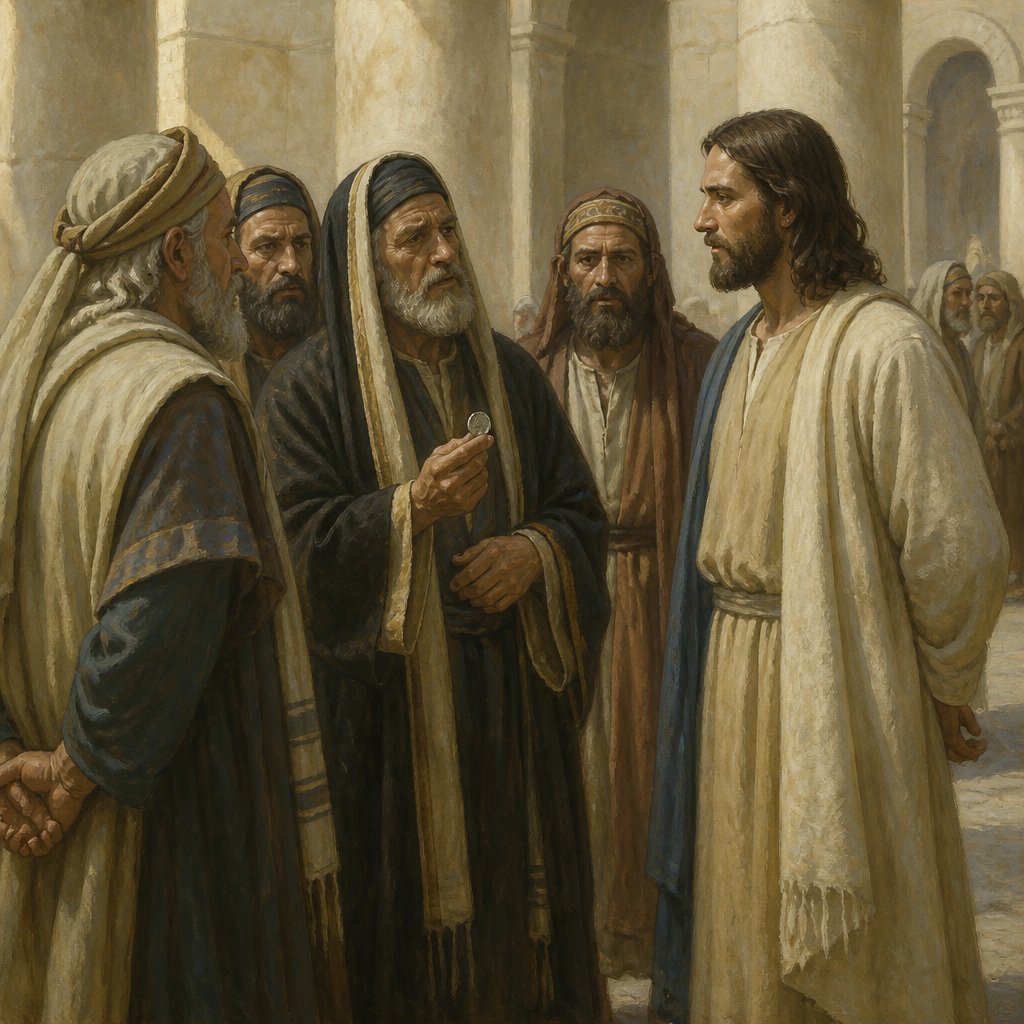
The verse Mark 12:14 in the King James Version of the Bible reads, "And when they were come, they say unto him, Master, we know that thou art true, and carest for no man: for thou regardest not the person of men, but teachest the way of God in truth: Is it lawful to give tribute to Caesar, or not?"
This verse is part of a larger passage in the Gospel of Mark, where Jesus is challenged by the Pharisees and Herodians, who are trying to trap him with a question about paying taxes to Caesar. This passage is significant in several ways, as it touches on themes of political authority, religious faith, and ethical responsibility.
The Pharisees and Herodians' question to Jesus about paying tribute to Caesar was a deliberate attempt to entrap him. They wanted to force him into either endorsing the Roman occupation by saying that it was lawful to pay taxes to Caesar or inciting rebellion by saying that it was not. However, Jesus' response deftly sidesteps their trap, and in doing so, he delivers a profound message about the relationship between earthly and divine authority.
In his response, Jesus asks for a coin and then proceeds to ask whose image and inscription are on it. When his interrogators respond that it is Caesar's, Jesus famously declares, "Render to Caesar the things that are Caesar's, and to God the things that are God's" (Mark 12:17). This statement has been interpreted in various ways over the centuries, but at its core, it speaks to the idea of living as responsible citizens of both the earthly and heavenly kingdoms.
The theme of political authority is central to this passage, as the question about paying taxes to Caesar was a direct challenge to Jesus' teachings about the coming kingdom of God. By affirming the legitimacy of paying taxes to Caesar, Jesus was implicitly acknowledging the authority of the Roman government in earthly matters. However, by also affirming the separate and higher authority of God, Jesus was reminding his followers that their ultimate allegiance was to the divine kingdom.
This passage also touches on the theme of religious faith, as it illustrates the tension between the obligations of earthly citizenship and the demands of religious conscience. The Pharisees and Herodians were trying to force Jesus into choosing between loyalty to Caesar and fidelity to God, but his response underscores the idea that these two loyalties need not be mutually exclusive. By encouraging his followers to "render to Caesar" what is his due while also upholding their duty to "render to God" what is his, Jesus was advocating for a balance between the secular and the sacred.
The symbolism in this passage is also rich and multi-layered. The coin bearing Caesar's image and inscription serves as a tangible representation of earthly power and authority, while Jesus' words about rendering to Caesar and to God speak to the deeper spiritual and ethical dimensions of human existence. The coin becomes a symbol of the material and temporal realm, while God represents the ultimate source of truth, justice, and righteousness.
In conclusion, the verse Mark 12:14 from the King James Version of the Bible is a rich and multi-faceted passage that addresses themes of political authority, religious faith, and ethical responsibility. Through his response to the question about paying taxes to Caesar, Jesus offers a profound meditation on the relationship between earthly and divine authority, urging his followers to navigate the demands of citizenship while remaining faithful to the higher principles of the kingdom of God. This passage continues to inspire reflection and interpretation, inviting readers to consider the complex intersection of the secular and the sacred in their own lives.
Get our apps


Artwork for Mark 12:14

Mark 12:14 - "And when they were come, they say unto him, Master, we know that thou art true, and carest for no man: for thou regardest not the person of men, but teachest the way of God in truth: Is it lawful to give tribute to Caesar, or not?"
"And when they were come, they say unto him, Master, we know that thou art true, and carest for no man: for thou regardest not the person of men, but teachest the way of God in truth: Is it lawful to give tribute to Caesar, or not?" - Mark 12:14

Mark 14:12 - "¶ And the first day of unleavened bread, when they killed the passover, his disciples said unto him, Where wilt thou that we go and prepare that thou mayest eat the passover?"
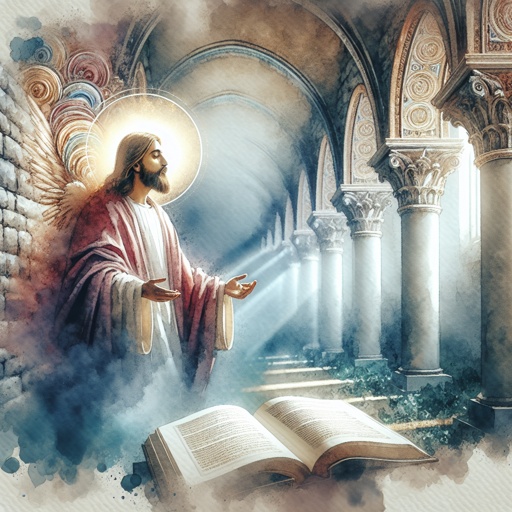
Mark 14:51

Mark 12:8

Mark 12:8

Mark 15:12

Mark 4:14 - "¶ The sower soweth the word."

Mark 14:17 - "And in the evening he cometh with the twelve."

Mark 14:50 - "And they all forsook him, and fled."

mark 2:1-12

Mark 12:41 - 44
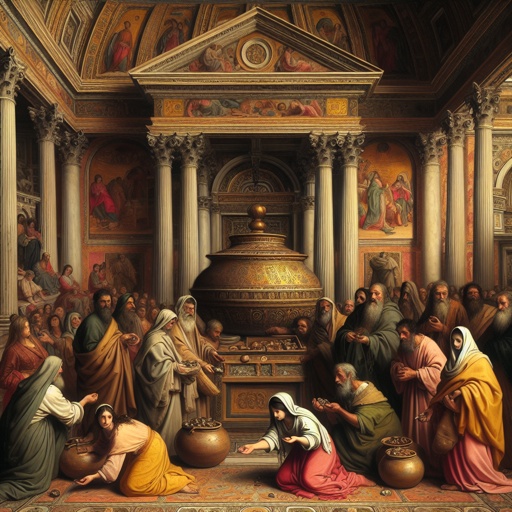
Mark 12:41 - 44

Mark 12:41 - 44

Mark 2:1-12

Mark 12:41 - 44

Mark 12:41 - 44

Mark 14:46 - "¶ And they laid their hands on him, and took him."

Mark 12:11 - "This was the Lord's doing, and it is marvellous in our eyes?"

Mark 1:12 - "And immediately the Spirit driveth him into the wilderness."

Mark 14:59 - "But neither so did their witness agree together."

Mark 14:2 - "But they said, Not on the feast day, lest there be an uproar of the people."

"¶ The sower soweth the word." - Mark 4:14

Mark 12:39 - "And the chief seats in the synagogues, and the uppermost rooms at feasts:"
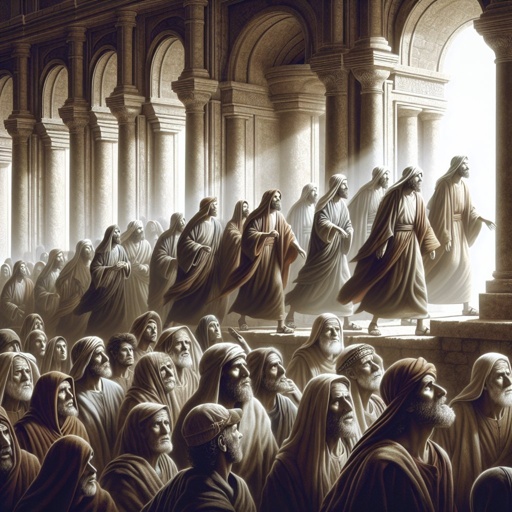
Mark 6:12 - "And they went out, and preached that men should repent."

Mark 14:39 - "And again he went away, and prayed, and spake the same words."

Mark 14:57 - "And there arose certain, and bare false witness against him, saying,"

Mark 15:12-14 - "And Pilate answered and said again unto them, What will ye then that I shall do unto him whom ye call the King of the Jews? And they cried out again, Crucify him. Then Pilate said unto them, Why, what evil hath he done? And they cried out the more exceedingly, Crucify him."

Mark 14:26 - "¶ And when they had sung an hymn, they went out into the mount of Olives."

Mark 14:66 - "¶ And as Peter was beneath in the palace, there cometh one of the maids of the high priest:"