What does Mark 12:39 mean?
“And the chief seats in the synagogues, and the uppermost rooms at feasts:” — Mark 12:39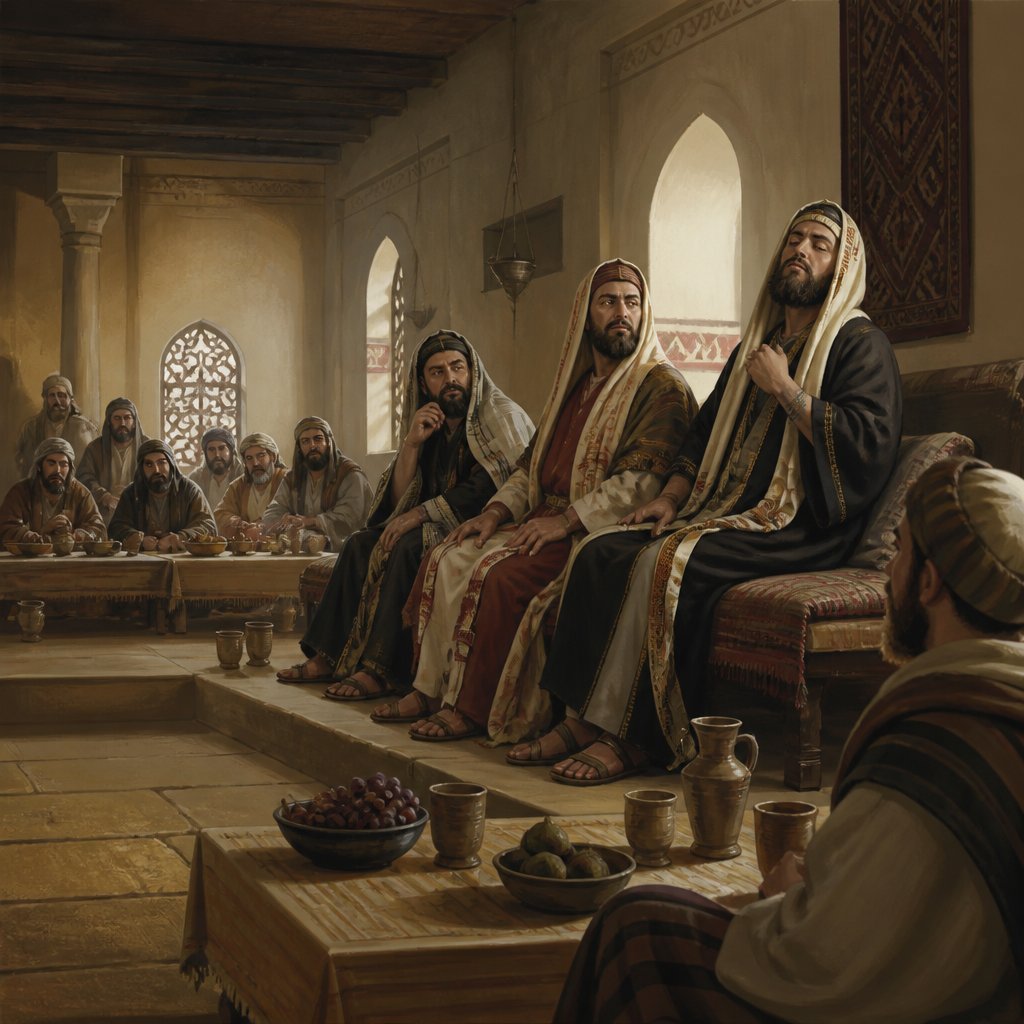
Mark 12:39 in the King James Version of the Bible reads, "And the chief seats in the synagogues, and the uppermost rooms at feasts." This verse is part of a larger passage in which Jesus is criticizing the religious leaders of his time, particularly the scribes and Pharisees, for their hypocritical behavior and lack of true piety.
In this passage, Jesus is condemning the scribes and Pharisees for their outward displays of piety and their desire for recognition and honor. He rebukes them for seeking the chief seats in the synagogues and the uppermost rooms at feasts, which were positions of honor and respect in Jewish society. Jesus is highlighting the scribes and Pharisees' focus on outward appearances and their desire for recognition and praise from others, rather than genuine devotion to God and love for their fellow human beings.
The themes of this passage include hypocrisy, pride, and the true nature of piety. Jesus is emphasizing the importance of humility, sincerity, and genuine love for God and others, over outward displays of religious devotion and the pursuit of honor and recognition. This message is consistent with other passages in the New Testament, such as Matthew 23:1-12, in which Jesus warns against the hypocrisy and pride of the religious leaders and teaches the importance of humility and servant leadership.
The context of this passage is important for understanding its significance. At the time of Jesus, the scribes and Pharisees were the religious and social elite of Jewish society. They were highly respected for their knowledge of the law and their outward displays of religious devotion. However, Jesus frequently criticized them for their hypocrisy and their failure to live up to the true spirit of the law.
In this passage, Jesus is challenging the scribes and Pharisees' understanding of righteousness and their pursuit of honor and recognition. He calls attention to their desire for the chief seats in the synagogues and the uppermost rooms at feasts as evidence of their pride and self-centeredness. By doing so, Jesus is highlighting the contrast between their outward displays of religious devotion and their true inner motives.
The symbolism in this passage is also noteworthy. The chief seats in the synagogues and the uppermost rooms at feasts symbolize positions of honor and privilege in Jewish society. By criticizing the scribes and Pharisees' desire for these positions, Jesus is challenging the values and priorities of his culture and pointing to a different way of living and relating to others. The symbolism of these positions also serves to illustrate the broader theme of humility and servant leadership that Jesus consistently teaches throughout his ministry.
In conclusion, Mark 12:39 in the King James Version of the Bible is a powerful and relevant passage that challenges us to examine our own motives and priorities in the practice of our faith. Through his criticism of the scribes and Pharisees, Jesus emphasizes the importance of humility, sincerity, and genuine love for God and others over outward displays of religious devotion and the pursuit of honor and recognition. As we reflect on this passage, may we be inspired to live with humility and authenticity, seeking to love and serve others just as Jesus taught.
Get our apps


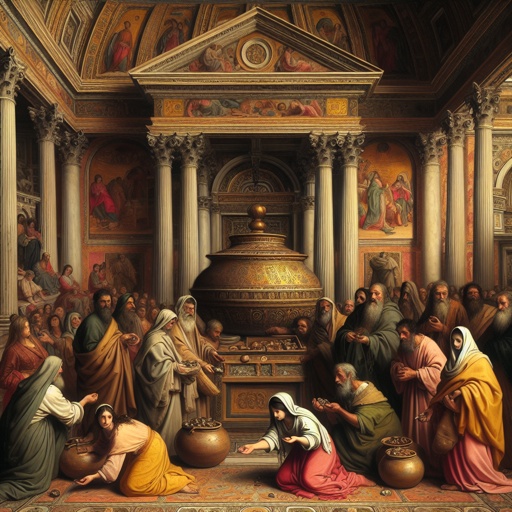
Artwork for Mark 12:39

Mark 12:39 - "And the chief seats in the synagogues, and the uppermost rooms at feasts:"

"And the chief seats in the synagogues, and the uppermost rooms at feasts:" - Mark 12:39

Mark 14:39 - "And again he went away, and prayed, and spake the same words."

Mark 1:39 - "And he preached in their synagogues throughout all Galilee, and cast out devils."

Genesis 39:12

Mark 6:39 - "And he commanded them to make all sit down by companies upon the green grass."

Genesis 39:6-12

Mark 4:39 - "And he arose, and rebuked the wind, and said unto the sea, Peace, be still. And the wind ceased, and there was a great calm."

Exodus 39:12 - "And the third row, a ligure, an agate, and an amethyst."

Mark 6:39 – "Then Jesus directed them to have all the people sit down in groups on the green grass."

Mark 5:39 - "And when he was come in, he saith unto them, Why make ye this ado, and weep? the damsel is not dead, but sleepeth."

Mark 9:39 - "But Jesus said, Forbid him not: for there is no man which shall do a miracle in my name, that can lightly speak evil of me."

Job 39:1 - "Knowest thou the time when the wild goats of the rock bring forth? or canst thou mark when the hinds do calve?"

John 12:39 - "Therefore they could not believe, because that Esaias said again,"

Acts 15:39 - "And the contention was so sharp between them, that they departed asunder one from the other: and so Barnabas took Mark, and sailed unto Cyprus;"
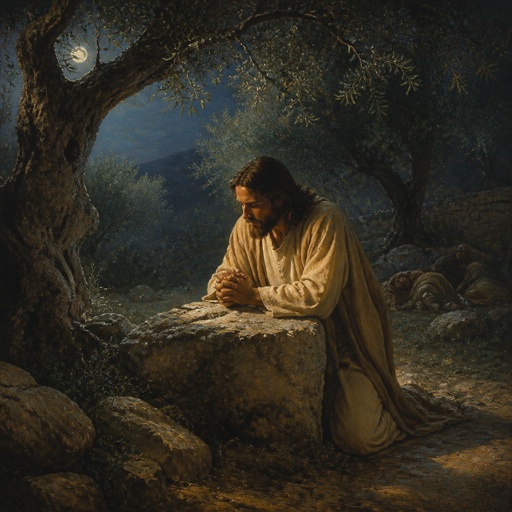
"And again he went away, and prayed, and spake the same words." - Mark 14:39
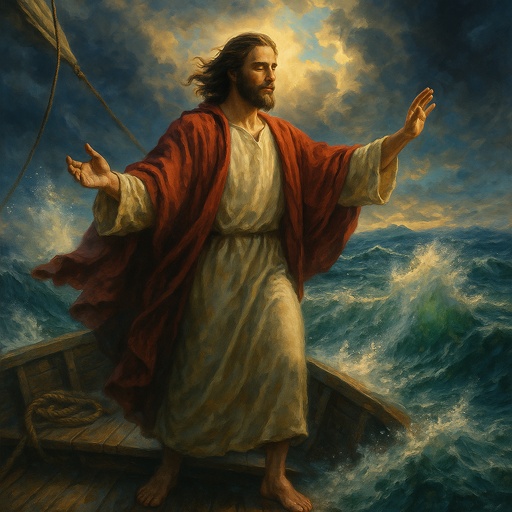
"And he arose, and rebuked the wind, and said unto the sea, Peace, be still. And the wind ceased, and there was a great calm." - Mark 4:39

Mark 12:8

Ezekiel 39:12 - "And seven months shall the house of Israel be burying of them, that they may cleanse the land."
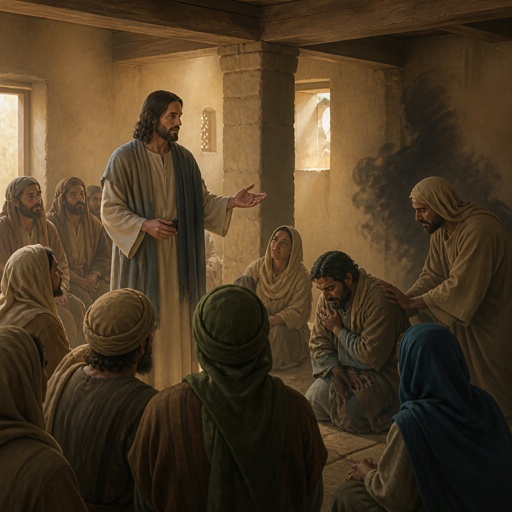
"And he preached in their synagogues throughout all Galilee, and cast out devils." - Mark 1:39

Mark 12:8

Mark 15:12

Mark 15:39 - "¶ And when the centurion, which stood over against him, saw that he so cried out, and gave up the ghost, he said, Truly this man was the Son of God."

1 Chronicles 12:39 - "And there they were with David three days, eating and drinking: for their brethren had prepared for them."

"And the third row, a ligure, an agate, and an amethyst." - Exodus 39:12

Job 39:12 - "Wilt thou believe him, that he will bring home thy seed, and gather it into thy barn?"

mark 2:1-12

Mark 12:41 - 44
Mark 12:41 - 44

Mark 12:41 - 44