What does Mark 12:6 mean?
“Having yet therefore one son, his wellbeloved, he sent him also last unto them, saying, They will reverence my son.” — Mark 12:6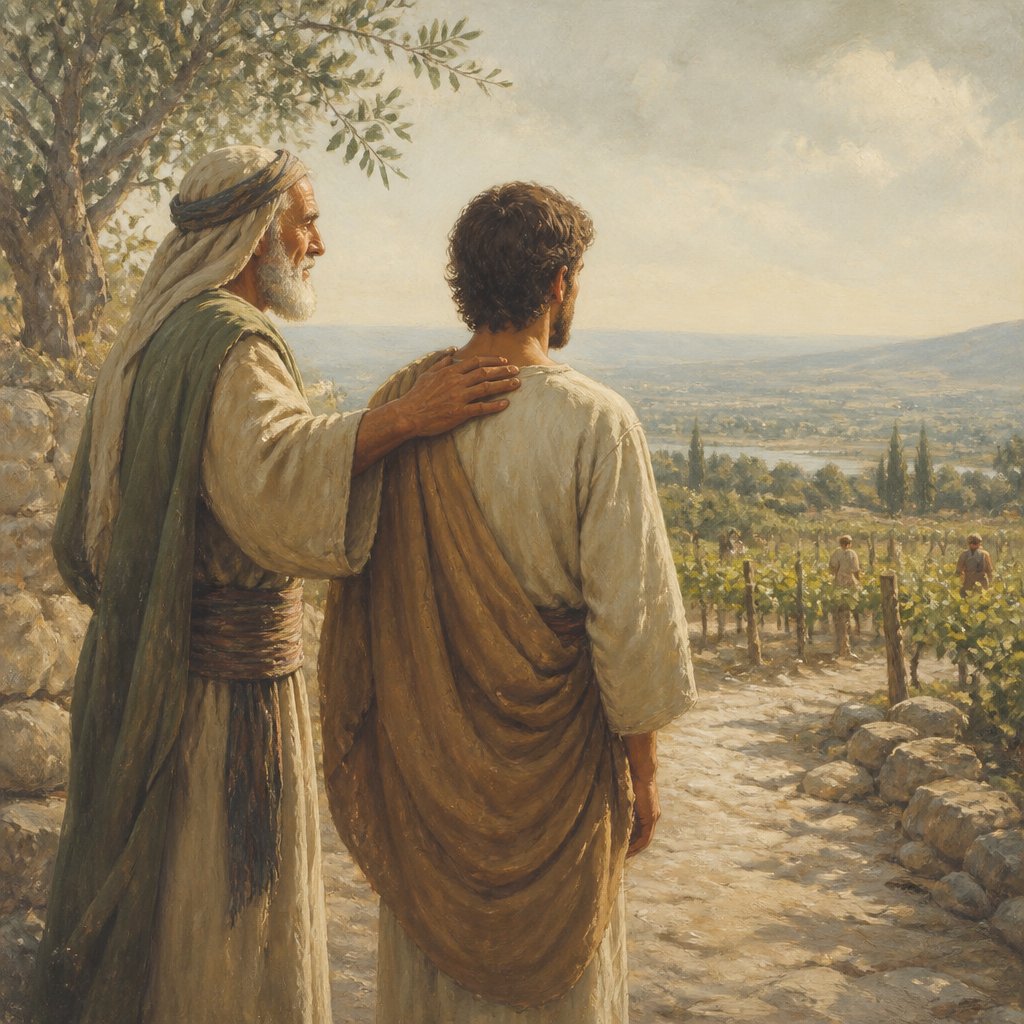
Mark 12:6 (KJV) - "Having yet therefore one son, his wellbeloved, he sent him also last unto them, saying, They will reverence my son."
This verse is part of a parable that Jesus tells in the Gospel of Mark. In this parable, a man plants a vineyard, puts a hedge around it, digs a wine press and builds a tower. He then leases the vineyard to tenants and goes away. At harvest time, he sends a servant to collect some of the fruit from the tenants, but they beat the servant and send him away empty-handed. The man then sends more servants, all of whom are mistreated and even killed. Finally, the man decides to send his own son, thinking that the tenants will respect him. However, the tenants see the son as the heir and kill him in order to take his inheritance.
This parable serves as an allegory for the way that the religious leaders of the time were rejecting and mistreating the prophets that God had been sending to them throughout history, culminating in the rejection and crucifixion of Jesus himself. The man who plants the vineyard represents God, the vineyard represents the people of Israel, the tenants represent the religious leaders, the servants represent the prophets, and the son represents Jesus.
The significance of the parable lies in its depiction of God's patience and grace, as well as the relentless rebellion and rejection of his messengers. The image of the man sending his own son, hoping that the tenants will respect and honor him, speaks volumes about God's ultimate sacrifice in sending Jesus to bring salvation to humanity. However, the tenants' violent reaction to the son's arrival foreshadows Jesus' own fate at the hands of the religious leaders.
The phrase "Having yet therefore one son, his wellbeloved, he sent him also last unto them, saying, They will reverence my son" emphasizes the unique and beloved status of the son, as well as the expectation that he would be treated with reverence and respect. This further underscores the depth of the religious leaders' betrayal and rejection of Jesus, as they not only fail to honor him as the son of God, but actively conspire to have him killed.
The themes of the parable include the concept of stewardship, as the tenants are entrusted with the care of the vineyard, but they abuse their position and act out of selfishness and greed. There is also a theme of judgment, as the man eventually addresses the wicked tenants and brings them to a reckoning for their actions. Moreover, the parable serves as a warning against religious hypocrisy and the dangers of rejecting God's messengers and ultimately his own son.
Symbolically, the parable of the vineyard points to the ongoing relationship between God and his people, as well as the consequences of disobedience and rebellion. It also foreshadows the crucifixion of Jesus and the ultimate triumph of God's plan for redemption and salvation.
In conclusion, Mark 12:6 and the parable of the vineyard in the Gospel of Mark serve as a powerful and poignant reminder of God's patience, grace, and ultimate sacrifice in sending his son to bring redemption to humanity. It also highlights the sobering reality of human rebellion and the consequences of rejecting God's messengers. The verse and the parable as a whole continue to resonate with believers, offering timeless lessons about stewardship, judgment, and the profound depth of God's love for his creation.
Get our apps


Artwork for Mark 12:6

Mark 12:6 - "Having yet therefore one son, his wellbeloved, he sent him also last unto them, saying, They will reverence my son."
"Having yet therefore one son, his wellbeloved, he sent him also last unto them, saying, They will reverence my son." - Mark 12:6
Mark 6:12 - "And they went out, and preached that men should repent."
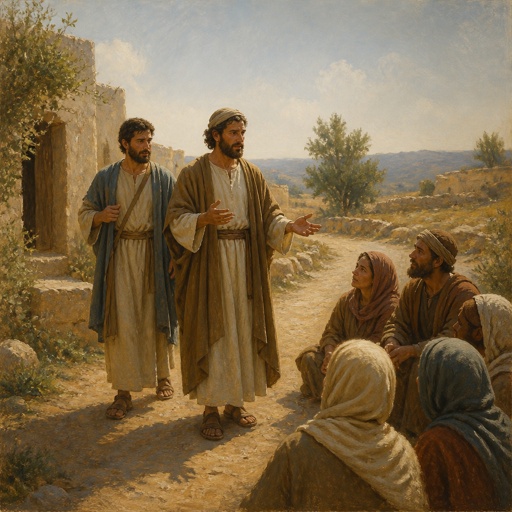
"And they went out, and preached that men should repent." - Mark 6:12

Mark 6:1-6

Mark 12:8

Mark 12:8

Mark 15:12
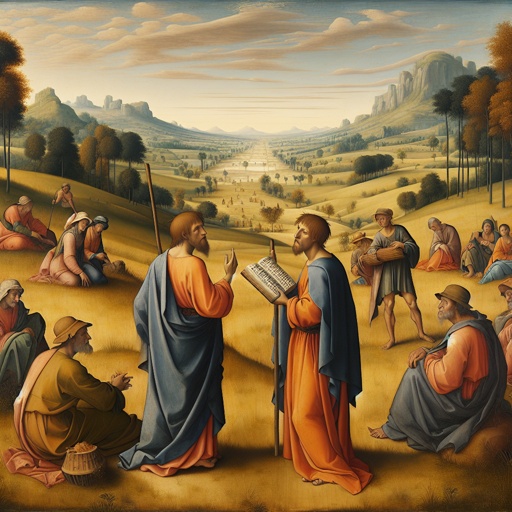
So, they set off preaching repentance (Mk 6:12)

mark 2:1-12

Mark 12:41 - 44
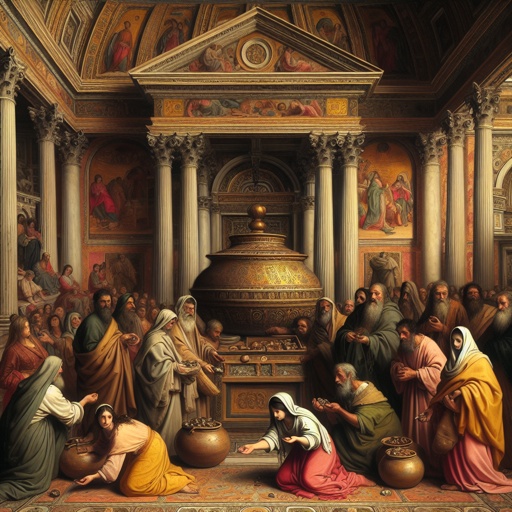
Mark 12:41 - 44

Mark 12:41 - 44

Mark 2:1-12

Mark 12:41 - 44

Mark 12:41 - 44

Mark 16:6-8

Mark 16:6-8

Mark 6:6 - "And he marvelled because of their unbelief. And he went round about the villages, teaching."

Mark 12:11 - "This was the Lord's doing, and it is marvellous in our eyes?"

Mark 16:6-8

Mark 1:12 - "And immediately the Spirit driveth him into the wilderness."

Mark 6:32 - "And they departed into a desert place by ship privately."
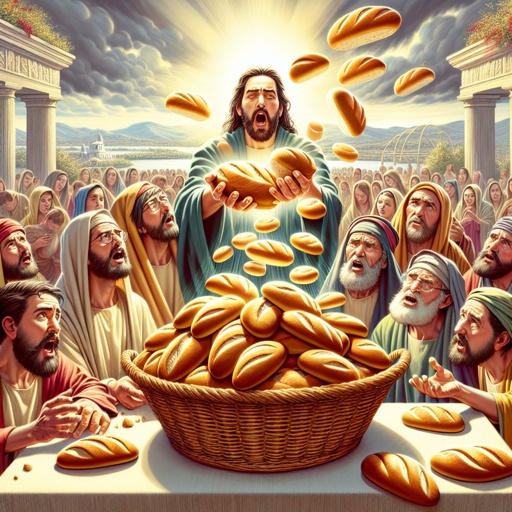
Mark 6:52 - "For they considered not the miracle of the loaves: for their heart was hardened."

Mark 6:9 - "But be shod with sandals; and not put on two coats."

Mark 6:40 - "And they sat down in ranks, by hundreds, and by fifties."

Mark 12:39 - "And the chief seats in the synagogues, and the uppermost rooms at feasts:"

Mark 6:42 - "And they did all eat, and were filled."

Mark 2:6 - "But there were certain of the scribes sitting there, and reasoning in their hearts,"

Mark 3:12 - "And he straitly charged them that they should not make him known."