What does Mark 12:8 mean?
“And they took him, and killed him, and cast him out of the vineyard.” — Mark 12:8
The Bible verse Mark 12:8 in the King James Version (KJV) states: "And they took him, and killed him, and cast him out of the vineyard. What shall therefore the lord of the vineyard do? He will come and destroy the husbandmen, and will give the vineyard unto others."
This verse is taken from a parable told by Jesus, known as the Parable of the Wicked Husbandmen. The parable is found in all three of the Synoptic Gospels, namely, Matthew, Mark, and Luke, with slight variations in each account. In Mark 12, Jesus told this parable to the Jewish leaders in response to their questioning of his authority. The parable serves as a warning to the religious leaders of the consequences of rejecting God's messengers and ultimately His Son, Jesus.
In this particular verse, Jesus describes how the wicked tenants (husbandmen) took the son of the vineyard owner, killed him, and cast him out of the vineyard. This act symbolizes the rejection and ultimately the crucifixion of Jesus by the religious leaders and the people of Israel.
The themes present in this verse include the rejection of God's messengers, the coming judgment, and the transfer of God's blessings to others. The context of this parable is crucial to understanding its significance. At the time of Jesus, the religious leaders had strayed from the true purpose of their calling and had become more concerned with their own power and authority. They rejected God's messengers, including John the Baptist, and ultimately rejected Jesus Christ, the Son of God.
The symbolism in this verse is rich and conveys important spiritual truths. The vineyard represents the kingdom of God, and the owner of the vineyard represents God. The son of the vineyard owner represents Jesus Christ, who was sent by God to bring salvation to the world. The wicked husbandmen represent the religious leaders who rejected and ultimately crucified Jesus.
The verse also portrays the coming judgment of God upon those who reject His Son. The impending judgment is emphasized in the statement, "He will come and destroy the husbandmen." This foreshadows the destruction of Jerusalem and the Temple in AD 70, which was a direct result of the Jewish leaders' rejection of Christ and their mistreatment of His messengers.
Furthermore, the verse also speaks of the transfer of the vineyard to others. This signifies the extension of God's blessings and salvation to the Gentiles. Following the rejection of Jesus by the Jewish leaders, the Gospel was proclaimed to the Gentiles, and many came to faith in Christ. This transfer speaks to the inclusivity of God's kingdom and His desire for all people to come to repentance and faith in His Son.
In conclusion, Mark 12:8 in the King James Version is a powerful and poignant verse that conveys important spiritual truths about the consequences of rejecting God's messengers and His Son. The parable serves as a warning to all who hear it, emphasizing the need to accept and honor Jesus Christ as the Son of God. It also serves as a reminder of God's judgment upon those who reject Him and His offer of salvation. The verse ultimately points to the inclusive nature of God's kingdom and His desire to extend His blessings to all people.
Get our apps


Artwork for Mark 12:8

Mark 12:8

Mark 12:8

Mark 12:8 - "And they took him, and killed him, and cast him out of the vineyard."

"And they took him, and killed him, and cast him out of the vineyard." - Mark 12:8

Mark 8:12 - "And he sighed deeply in his spirit, and saith, Why doth this generation seek after a sign? verily I say unto you, There shall no sign be given unto this generation."

Mark 15:12

Mark 8:35

Mark 8:35

Mark 13:8

Mark 13:8

Mark 8:35

Mark 13:8

Mark 8:7

Mark 8:35

Mark 2:8

Daniel 12:8 - "And I heard, but I understood not: then said I, O my Lord, what shall be the end of these things?"

mark 2:1-12

Mark 12:41 - 44
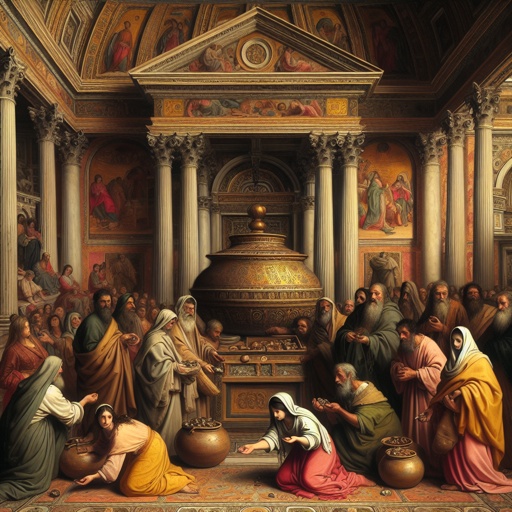
Mark 12:41 - 44

Mark 12:41 - 44

Mark 2:1-12

Mark 12:41 - 44

Mark 12:41 - 44

Mark 8:27 - 35

Mark 8:27 - 35

Mark 16:6-8

Mark 8:27 - 35

Mark 8:27 - 35

Mark 16:6-8

Mark 8:27 - 35