What does Mark 13:20 mean?
“And except that the Lord had shortened those days, no flesh should be saved: but for the elect’s sake, whom he hath chosen, he hath shortened the days.” — Mark 13:20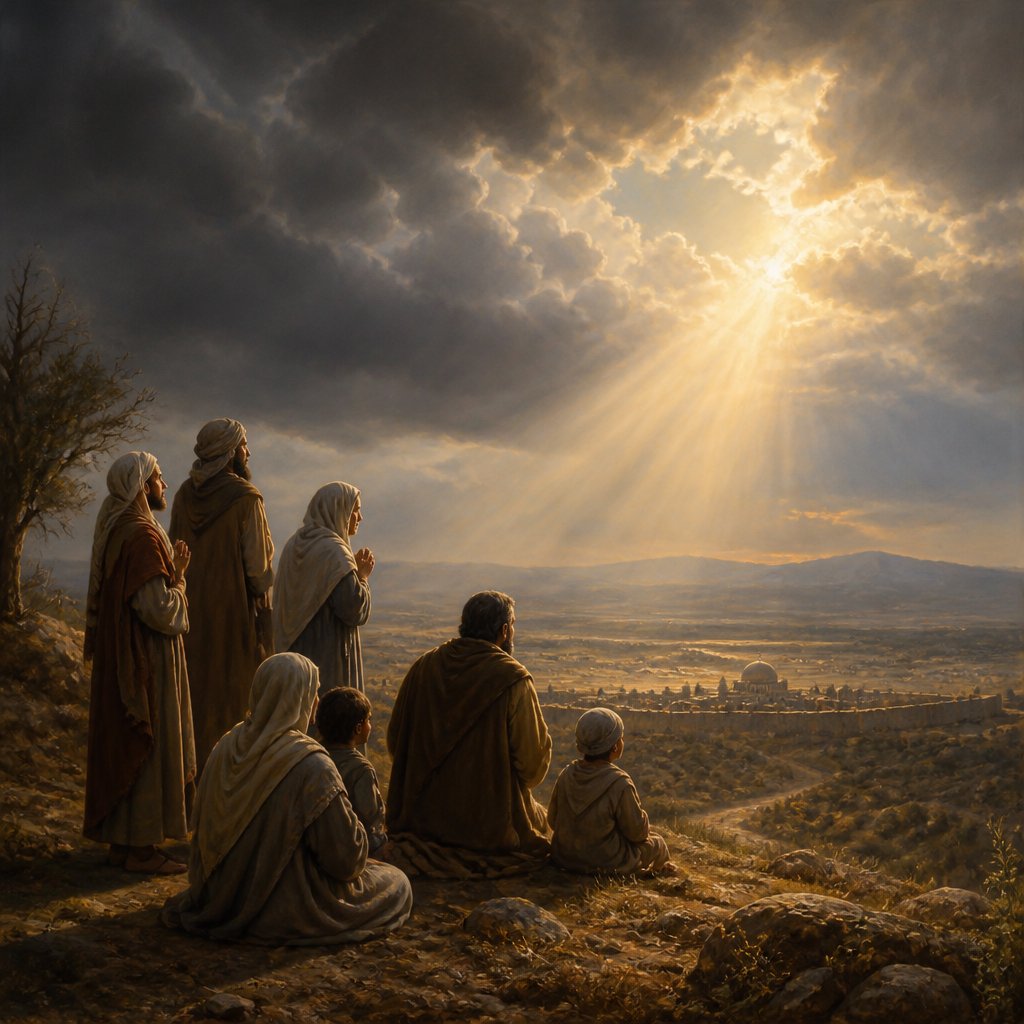
"Mark 13:20 (KJV) - And except that the Lord had shortened those days, no flesh should be saved: but for the elect's sake, whom he hath chosen, he hath shortened the days."
Mark 13:20 is a verse from the New Testament, specifically from the Gospel of Mark. This verse is part of a passage known as the Olivet Discourse, where Jesus speaks to his disciples about the signs of the end times and the coming of the Son of Man. Throughout this discourse, Jesus warns his followers about the tribulations that will occur before the end, and in Mark 13:20, he describes the severity of these times.
The verse begins with the phrase "And except that the Lord had shortened those days," which reveals that the difficulties and trials of the end times will be so intense that without divine intervention, no one would survive. This speaks to the magnitude of the suffering and destruction that will take place, emphasizing the gravity of the situation.
The verse then continues with "no flesh should be saved," which further emphasizes the severity of the tribulations. This phrase conveys the idea that the events of the end times will have the potential to annihilate all living beings, highlighting the scope of the impending doom.
However, the verse also provides a glimmer of hope with the words "but for the elect's sake, whom he hath chosen, he hath shortened the days." Here, Jesus refers to the "elect," who are the chosen ones of God. This implies that amidst the chaos and devastation, God has a select group of people whom he has chosen for salvation. This concept of divine election is found throughout the Bible and suggests that God's grace and favor play a crucial role in the redemption of believers.
The phrase "he hath shortened the days" indicates that God, in his mercy and sovereignty, has intervened to limit the duration of the tribulations. This act of shortening the days signifies God's ultimate control over the events of the end times, demonstrating his power and authority over the course of history.
One of the overarching themes of this verse is the sovereignty of God. It portrays a God who is in control of all things, even in the midst of chaos and suffering. It communicates the idea that God's plans and purposes will ultimately prevail, and that he has the power to intervene in human affairs according to his will.
Another important theme is the concept of divine election. The verse suggests that God has a special, chosen people whom he has selected for salvation. This idea is foundational to the Christian faith and emphasizes the belief that God plays an active role in the redemption of believers.
In terms of symbolism, the verse contains imagery of the end times and the trials that will accompany them. The language used by Jesus to describe the severity of the tribulations paints a vivid picture of the cataclysmic events that will unfold. This imagery serves to emphasize the urgency and seriousness of the message that Jesus is conveying to his disciples.
In conclusion, Mark 13:20 is a verse that conveys the severity of the end times, while also highlighting God's sovereignty and his role in the salvation of his chosen people. It serves as a reminder of the importance of faith and trust in God during times of trial, and it offers a message of hope and reassurance amidst the chaos and despair of the end times.
Get our apps


Artwork for Mark 13:20

Mark 13:20 - "And except that the Lord had shortened those days, no flesh should be saved: but for the elect's sake, whom he hath chosen, he hath shortened the days."
"And except that the Lord had shortened those days, no flesh should be saved: but for the elect's sake, whom he hath chosen, he hath shortened the days." - Mark 13:20
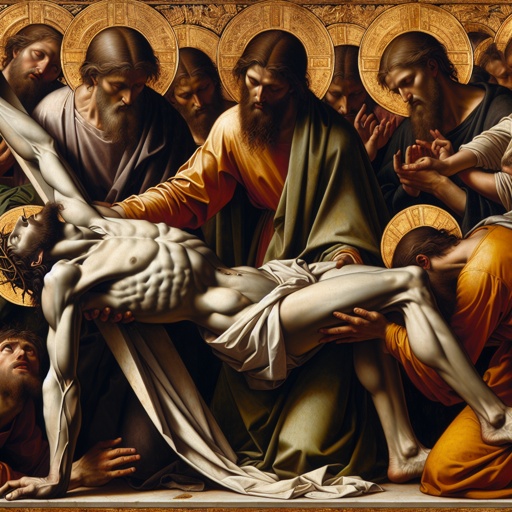
Mark 16:20

Mark 16:20

Mark 16:20

Mark 16:20
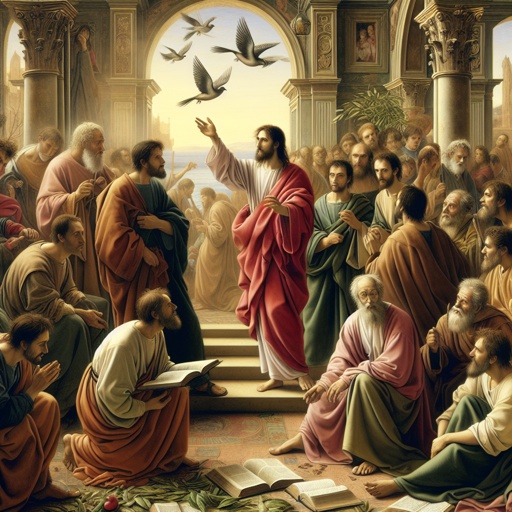
Mark 16:20

1 Samuel 20:20 - "And I will shoot three arrows on the side thereof, as though I shot at a mark."

Mark 13:7

Mark 13:8

Mark 13:8

Mark 13:7

Mark 13:8

Mark 13:7

Mark 13:28-37

Mark 13:28-37

Mark 10:13–16

Mark 13:28-37

Mark 13:28-37

Mark 7:20 - "And he said, That which cometh out of the man, that defileth the man."

Mark 15:13 - "And they cried out again, Crucify him."

Mark 13:18 - "And pray ye that your flight be not in the winter."

Mark 13:33 watch and pray

Mark 13:33 watch and pray

Mark 11:20 - "¶ And in the morning, as they passed by, they saw the fig tree dried up from the roots."

Mark 3:20 - "And the multitude cometh together again, so that they could not so much as eat bread."

Mark 16:13 - "And they went and told it unto the residue: neither believed they them."

Mark 13:10 - "And the gospel must first be published among all nations."

Mark 13:36 - "Lest coming suddenly he find you sleeping."

Mark 13:13 - "And ye shall be hated of all men for my name's sake: but he that shall endure unto the end, the same shall be saved."