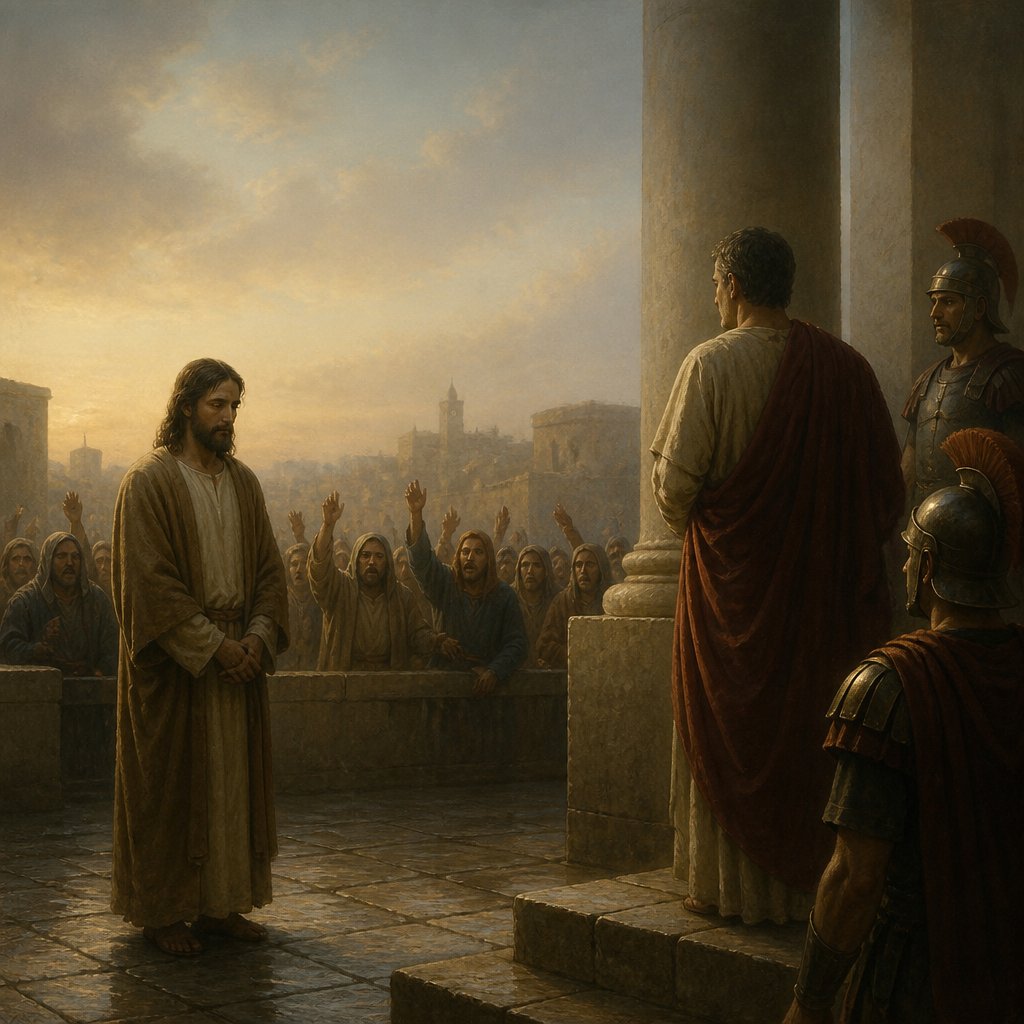
Mark 15:13 in the King James Version of the Bible states, "And they cried out again, Crucify him." This verse is part of the narrative of the crucifixion of Jesus Christ, and it captures a pivotal moment in the story of Christ's sacrifice for the redemption of humanity. The verse is a powerful and poignant expression of the rejection and condemnation that Jesus faced from the crowd and the religious authorities.
The context of Mark 15:13 is crucial for understanding its full significance. In the preceding verses, Jesus has been betrayed by Judas Iscariot, arrested, and brought before the Sanhedrin, the Jewish high court. The religious leaders had been seeking to put Jesus to death due to the threat he posed to their authority and the perceived blasphemy of claiming to be the Son of God. However, they did not have the authority to execute him under Roman law, so they brought Jesus before Pontius Pilate, the Roman governor of Judea, seeking his condemnation and death.
Pilate, despite finding no fault in Jesus, ultimately yields to the pressure of the crowd and the religious leaders, and he offers to release Jesus as part of the Passover tradition. However, the crowd, swayed by the chief priests and elders, instead demands the release of Barabbas, a notorious prisoner, and calls for Jesus to be crucified. It is in this moment that the crowd, with fervent and fervent energy, cries out once more for Jesus to be crucified, as captured in Mark 15:13. This verse encapsulates the rejection and condemnation that Jesus faced by those he came to save.
One of the central themes of Mark 15:13 is the idea of mob mentality and the power of peer pressure. The crowd's sudden shift from acclaiming Jesus as he entered Jerusalem on Palm Sunday to shouting for his crucifixion illustrates the fickle and easily influenced nature of human beings. The verse serves as a sobering reminder of the dangers of succumbing to groupthink and the consequences of blindly following the crowd, even when it leads to grave injustice.
Furthermore, Mark 15:13 also highlights the theme of sacrifice and atonement. The cries for Jesus to be crucified ultimately lead to his sacrificial death on the cross, which serves as the ultimate atonement for the sins of humanity. Despite the rejection and condemnation he faced, Jesus willingly endured the cross for the salvation of all people. This act of selfless love and sacrifice is central to Christian theology and underpins the redemptive message of the Gospel.
Symbolically, the crowd's cry of "Crucify him" in Mark 15:13 represents the collective rejection of God's offer of grace and salvation through Jesus Christ. It serves as a powerful symbol of the fallen nature of humanity and the universal need for redemption. Additionally, the crowd's rejection of Jesus parallels the recurring theme of rejection and suffering experienced by the prophets and messengers of God throughout the Bible.
In conclusion, Mark 15:13 is a pivotal verse in the narrative of Jesus' crucifixion, capturing the rejection and condemnation he faced from the crowd. The verse highlights important themes such as mob mentality, sacrifice, atonement, and the fallen nature of humanity. It serves as a poignant reminder of the profound love and sacrifice of Jesus Christ, who endured the cross for the salvation of all people, despite the rejection and condemnation he faced.
Get our apps


Artwork for Mark 15:13

Mark 15:13 - "And they cried out again, Crucify him."
"And they cried out again, Crucify him." - Mark 15:13

Mark 13:15 - "And let him that is on the housetop not go down into the house, neither enter therein, to take any thing out of his house:"

Mark 15:12

Mark 13:7

Mark 13:8

Mark 13:8

Mark 13:7

Mark 13:8

Mark 13:7
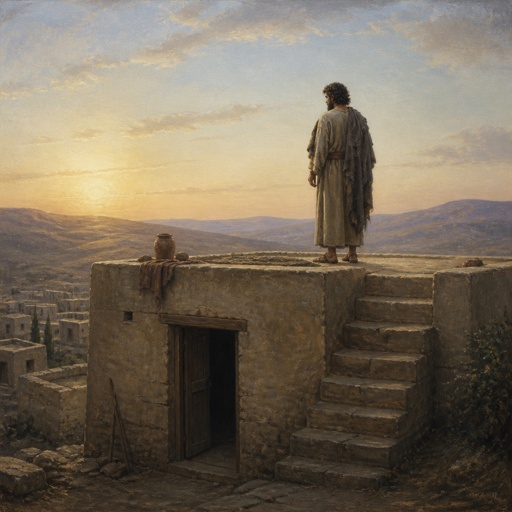
"And let him that is on the housetop not go down into the house, neither enter therein, to take any thing out of his house:" - Mark 13:15

Mark 13:28-37

Mark 13:28-37

Mark 10:13–16

Mark 13:28-37

Mark 13:28-37

Mark 15:25 - "And it was the third hour, and they crucified him."
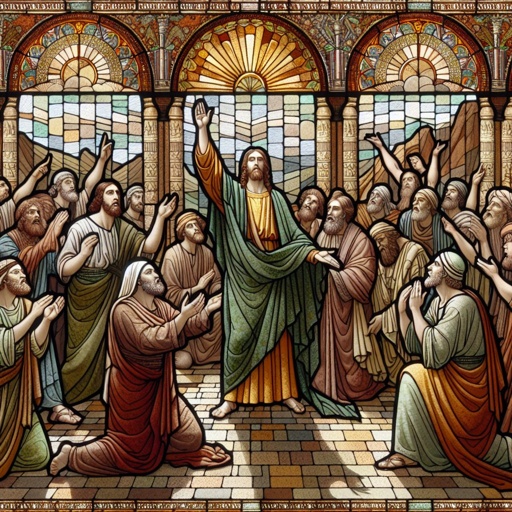
Mark 15:18 - "And began to salute him, Hail, King of the Jews!"

Mark 15:47 - "And Mary Magdalene and Mary the mother of Joses beheld where he was laid."

Mark 13:18 - "And pray ye that your flight be not in the winter."

Mark 15:30 - "Save thyself, and come down from the cross."

Mark 13:33 watch and pray

Mark 13:33 watch and pray

Mark 15:28 - "And the scripture was fulfilled, which saith, And he was numbered with the transgressors."

Mark 3:15 - "And to have power to heal sicknesses, and to cast out devils:"

Mark 15:5 - "But Jesus yet answered nothing; so that Pilate marvelled."

Mark 15:26 - "And the superscription of his accusation was written over, THE KING OF THE JEWS."

Mark 15:38 - "And the veil of the temple was rent in twain from the top to the bottom."

Mark 15:37 - "And Jesus cried with a loud voice, and gave up the ghost."

Mark 15:45 - "And when he knew it of the centurion, he gave the body to Joseph."