What does Mark 16:10 mean?
“And she went and told them that had been with him, as they mourned and wept.” — Mark 16:10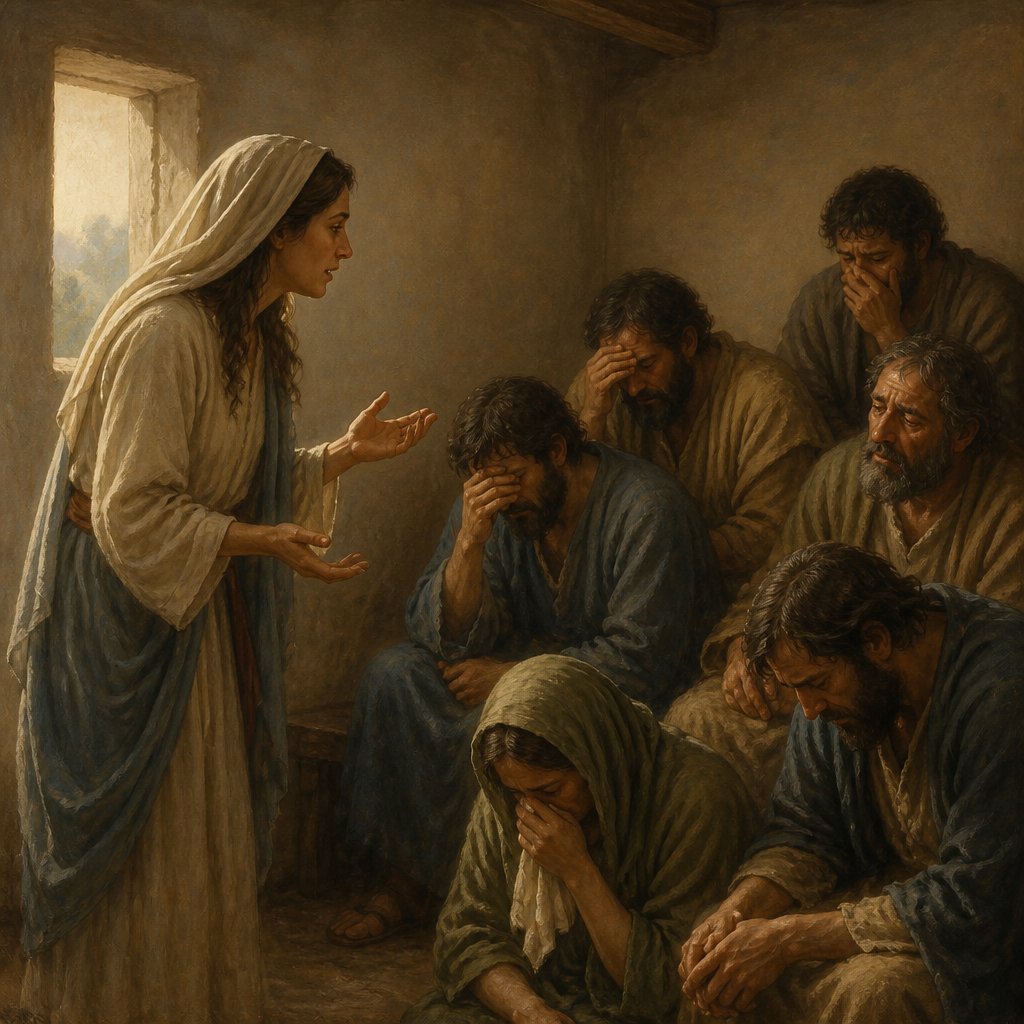
Mark 16:10 in the King James Version (KJV) reads, "And she went and told them that had been with him, as they mourned and wept." This verse is part of the resurrection account of Jesus Christ, which is one of the most significant events in the Christian faith. The verse is part of the narrative following the crucifixion of Jesus and his subsequent resurrection.
In this particular verse, "she" refers to Mary Magdalene, who had gone to the tomb of Jesus early on the first day of the week. When she arrived, she found that the stone had been rolled away from the entrance of the tomb, and the body of Jesus was not there. Distressed and confused, Mary ran to tell the disciples, who were mourning and weeping over the loss of their beloved teacher and friend.
The context of this verse is important in understanding its significance. The followers of Jesus had just experienced the devastating loss of their leader, who had been crucified by the Roman authorities. Their hopes and dreams of a Messiah were shattered, and the future seemed bleak. Mary Magdalene's news that the tomb was empty and the body of Jesus was missing was met with skepticism and disbelief by the disciples. However, her message was the first indication of the miraculous resurrection that had taken place.
The themes of grief, disbelief, and ultimately, faith are prominent in this verse. The disciples were overcome with sorrow and could not comprehend what had happened. Their grief was compounded by the confusion of Mary Magdalene's announcement. It is understandable that they would have had difficulty accepting such extraordinary news, as it went against all understanding of the natural order of life and death. However, as the subsequent verses in Mark 16 reveal, their initial disbelief is eventually transformed into faith and joy as they encounter the risen Christ.
The symbolism in this verse is also significant. Mary Magdalene's role as the first witness to the empty tomb and the resurrected Jesus carries deep symbolic meaning. In a society where the testimony of women was often marginalized, the fact that Mary was chosen by God to be the first to see and proclaim the resurrection is a powerful statement about the inclusive nature of the gospel. It also signals the reversal of societal norms and the restoration of dignity and honor to those who have been marginalized.
Furthermore, the act of going to the disciples and sharing the news of the empty tomb represents the responsibility of believers to bear witness to the truth of the resurrection. Mary's courageous proclamation of the Easter message challenges us to be bold in sharing the good news of Jesus' victory over sin and death. It reminds us that the message of salvation is not to be kept to ourselves but to be shared with others, even in the face of doubt or skepticism.
In summary, Mark 16:10 is a pivotal verse in the Easter narrative, conveying themes of grief, disbelief, and faith. It also contains significant symbolism, particularly in the role of Mary Magdalene as the first witness to the resurrection. As Christians, we are called to emulate Mary's bravery and conviction in sharing the life-changing message of Christ's resurrection with others, regardless of the challenges we may face. The verse serves as a reminder of the transformative power of the resurrection and the hope it brings to all who believe.
Get our apps


Artwork for Mark 16:10

Mark 16:10 - "And she went and told them that had been with him, as they mourned and wept."
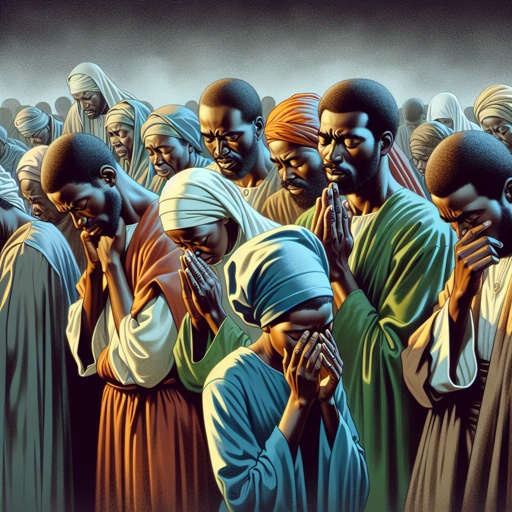
Mark 16:10 - "And she went and told them that had been with him, as they mourned and wept." african american men and woman
"And she went and told them that had been with him, as they mourned and wept." - Mark 16:10

Mark 10:13–16

Mark 10:16 - "And he took them up in his arms, put his hands upon them, and blessed them."

Mark 16:20
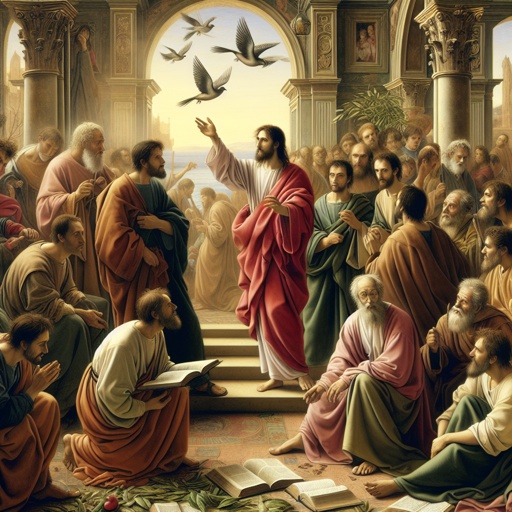
Mark 16:20

Mark 10
Mark 10
Mark 16:20

Mark 16:20

Mark 16:20

"And he took them up in his arms, put his hands upon them, and blessed them." - Mark 10:16
Mark 10
Mark 10

Mark 16:1-2

Mark 16:6-8

Mark 2:10
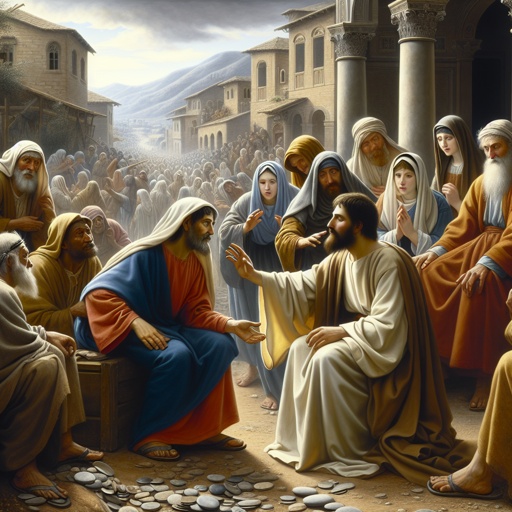
Mark 10:46

Mark 10:31

Mark 16:4-5

Mark 16:6-8

Mark 16:4-5

Mark 16:4-5

Mark 16:6-8

Mark 10:10 - "And in the house his disciples asked him again of the same matter."
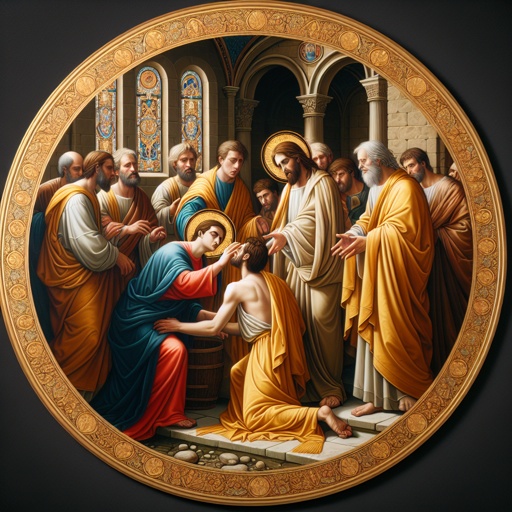
Mark 10:46

Mark 10:46

Mark 3:16 - "And Simon he surnamed Peter;"

Mark 10:35-45