What does Mark 2:27-28 mean?
“And he said unto them, The sabbath was made for man, and not man for the sabbath: Therefore the Son of man is Lord also of the sabbath.” — Mark 2:27-28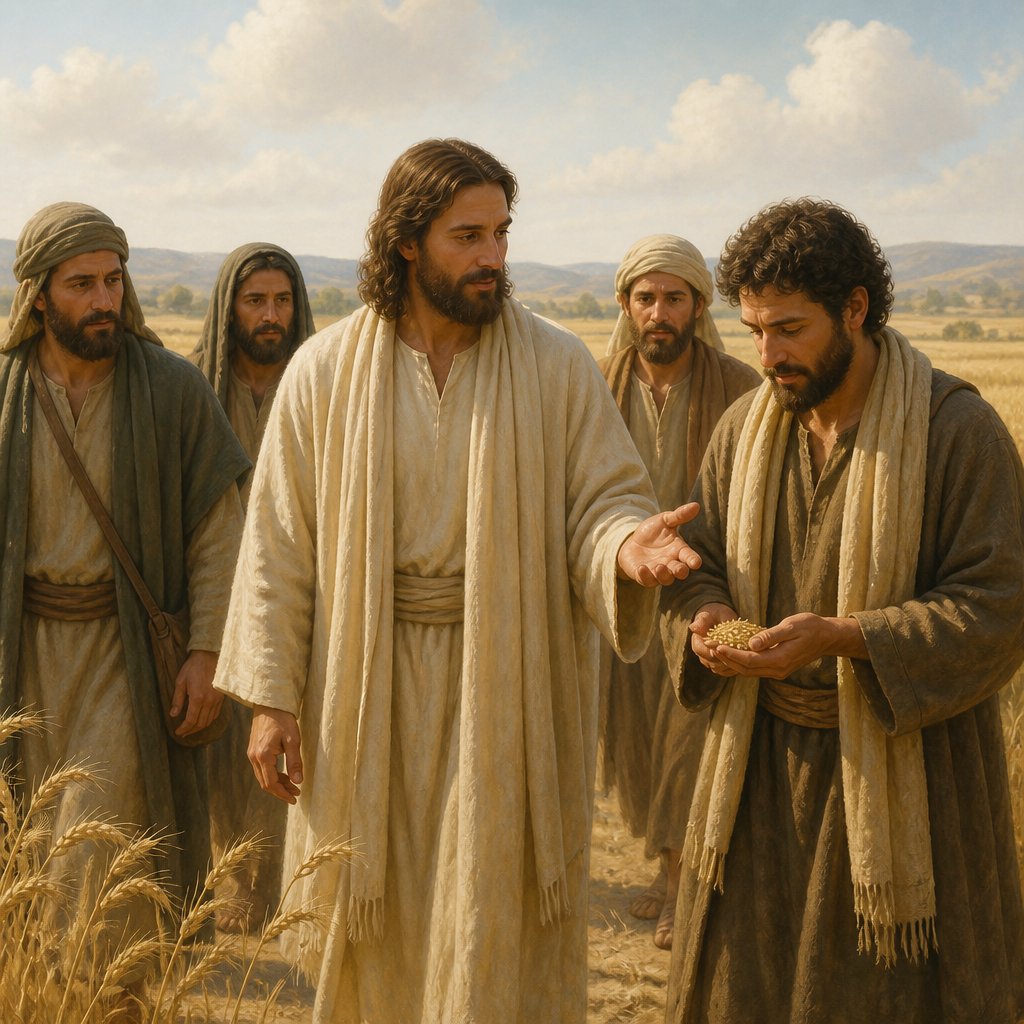
Mark 2:27-28 from the King James Version (KJV) of the Bible states, “And he said unto them, The sabbath was made for man, and not man for the sabbath: Therefore the Son of man is Lord also of the sabbath.”
This passage comes from the book of Mark, one of the four Gospels in the New Testament. It is a statement made by Jesus in response to the Pharisees’ criticism of his disciples for picking grain on the Sabbath day, which was considered unlawful according to Jewish Law.
The verse starts with Jesus declaring that “The Sabbath was made for man, and not man for the Sabbath.” This statement challenges the traditional understanding of the Sabbath as a day of rest and observance of the law, and puts the focus on the well-being of humanity. Jesus is emphasizing that the Sabbath, which was instituted by God as a day of rest and reflection, was intended to benefit man and not to be a burden or a strict legalistic observance. This aligns with Jesus' overall message of mercy, compassion, and prioritizing the needs of people over legalistic ritualism.
Furthermore, Jesus' assertion that "The Son of Man is Lord also of the Sabbath" suggests his divine authority over the Sabbath. In this statement, Jesus is claiming to have authority not only over the Sabbath but also over all religious practices and institutions. This claim to lordship over the Sabbath is a direct challenge to the religious authorities of his time, as it places Jesus in a position of supremacy over traditional religious practices.
The context of this passage is important for understanding its significance. The Jewish Sabbath was a central aspect of religious observance and worship in ancient Judaism. The Pharisees and other religious leaders placed a great emphasis on rigid adherence to Sabbath laws, and they often criticized Jesus and his disciples for supposedly breaking these laws. By reinterpreting the purpose of the Sabbath and claiming authority over it, Jesus is challenging the religious establishment and offering a new understanding of faith and observance.
One of the key themes in this passage is the prioritization of human needs and well-being over strict adherence to religious laws. Jesus emphasizes that the Sabbath was intended to benefit humanity, and that the needs of people should take precedence over rigid legalism. This theme aligns with Jesus' broader teachings about love, compassion, and the importance of caring for others.
Another important theme is the assertion of Jesus' authority as the Son of Man. By claiming lordship over the Sabbath, Jesus is asserting his divinity and his unique role as the mediator between God and humanity. This theme is consistent with the broader message of the Gospel of Mark, which presents Jesus as the Son of God and the Savior of humanity.
Symbolically, the Sabbath can be seen as a representation of religious ritual and tradition. Jesus' reinterpretation of the Sabbath and his claim to authority over it can be seen as a challenge to the rigidity of religious institutions and practices. This symbolic meaning underscores the broader theme of Jesus' message, which emphasizes the primacy of human needs and the transformative power of divine love and compassion.
In conclusion, Mark 2:27-28 is a significant passage that encapsulates Jesus' teachings about the Sabbath, his authority as the Son of Man, and his challenge to traditional religious practices. By emphasizing the purpose of the Sabbath as benefiting humanity and claiming authority over it, Jesus offers a new understanding of faith and observance that prioritizes love and compassion. This passage continues to be a source of inspiration and challenge for Christians as they seek to follow Jesus' example of prioritizing human needs and embodying his message of love and mercy.
Get our apps


Artwork for Mark 2:27-28

Mark 2:27-28 - "And he said unto them, The sabbath was made for man, and not man for the sabbath: Therefore the Son of man is Lord also of the sabbath."
"And he said unto them, The sabbath was made for man, and not man for the sabbath: Therefore the Son of man is Lord also of the sabbath." - Mark 2:27-28

Mark 2:27

Mark 2:8

Mark 2:28 - "Therefore the Son of man is Lord also of the sabbath."

Mark 2:27 - "And he said unto them, The sabbath was made for man, and not man for the sabbath:"
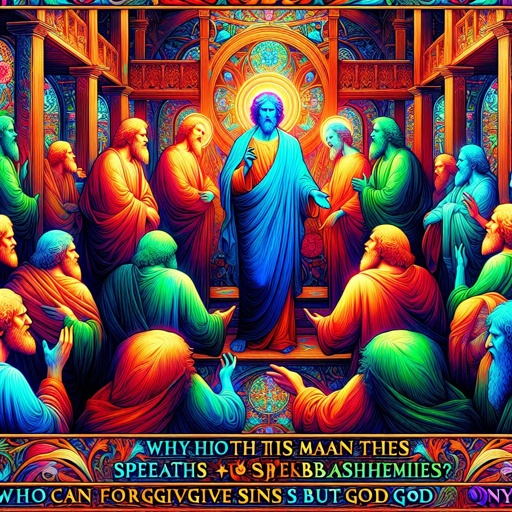
Mark 2:7 - "Why doth this man thus speak blasphemies? who can forgive sins but God only?"

"Therefore the Son of man is Lord also of the sabbath." - Mark 2:28
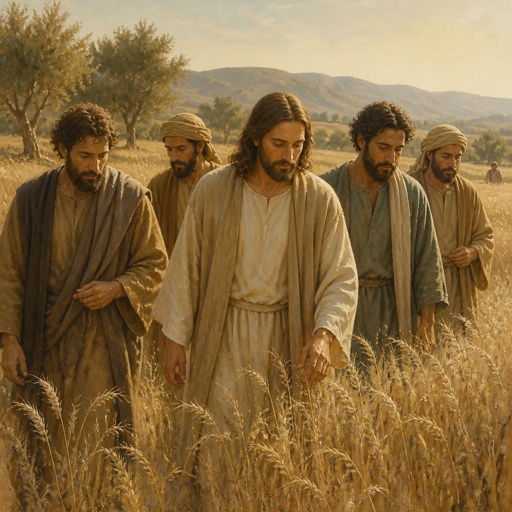
"And he said unto them, The sabbath was made for man, and not man for the sabbath:" - Mark 2:27
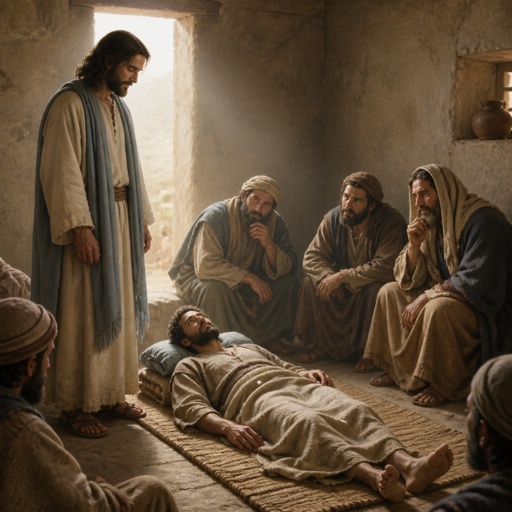
"Why doth this man thus speak blasphemies? who can forgive sins but God only?" - Mark 2:7

Mark 2:8 - "And immediately when Jesus perceived in his spirit that they so reasoned within themselves, he said unto them, Why reason ye these things in your hearts?"

Mark 13:28-37

Mark 13:28-37

Mark 13:28-37

Mark 13:28-37

Mark 8:27 - 35

Mark 8:27 - 35

Mark 8:27 - 35

Mark 8:27 - 35

Mark 8:27 - 35

2 Chronicles 28:27 - "And Ahaz slept with his fathers, and they buried him in the city, even in Jerusalem: but they brought him not into the sepulchres of the kings of Israel: and Hezekiah his son reigned in his stead."

Proverbs 17:27-28

Proverbs 17:27-28

Exodus 23:27-28

Proverbs 17:27-28

Luke 13:28-27

Luke 13:28-27

Luke 13:28-27

Mark 15:28 - "And the scripture was fulfilled, which saith, And he was numbered with the transgressors."

Matthew 27:28 - "And they stripped him, and put on him a scarlet robe."