What does Mark 6:26 mean?
“And the king was exceeding sorry; yet for his oath’s sake, and for their sakes which sat with him, he would not reject her.” — Mark 6:26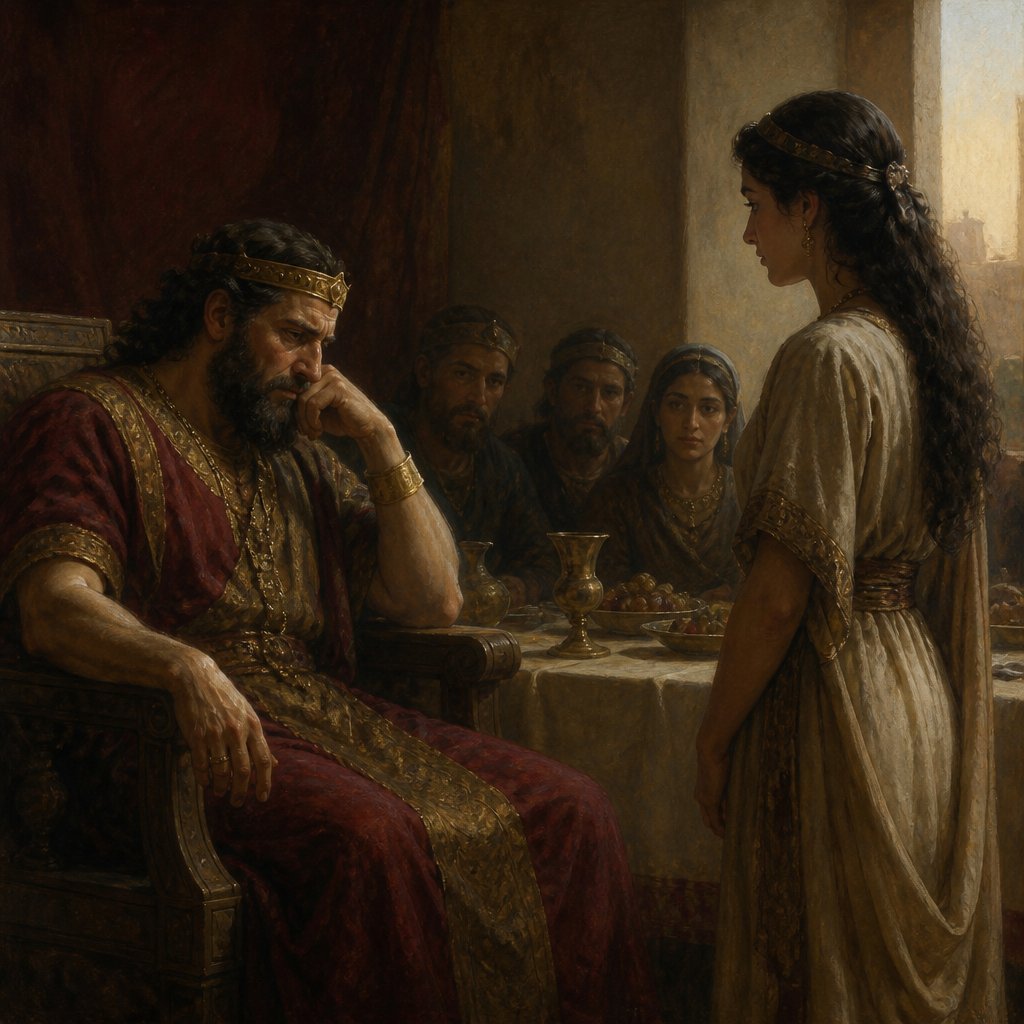
Mark 6:26 in the King James Version (KJV) of the Bible states: "And the king was exceeding sorry; yet for his oath's sake, and for their sakes which sat with him, he would not reject her."
This verse comes from the story of the beheading of John the Baptist. In this passage, King Herod has made a foolish promise to his stepdaughter, who dances for him and his guests. In her performance, the young girl pleases King Herod so much that he makes a rash vow to give her whatever she asks for, up to half his kingdom. Prompted by her mother, she asks for the head of John the Baptist on a platter. The verse follows the King's response to her request, expressing his deep regret and sorrow at having made the oath but feeling bound by it in front of his guests.
The overarching theme of Mark 6:26 is the consequences of making impulsive and reckless promises. In this passage, King Herod's impetuous vow leads to the death of John the Baptist, a righteous and respected figure in the Gospels. The verse serves as a cautionary tale about the weight of spoken words and the importance of considering the potential consequences before making a vow or promise. This theme of the gravity of words and commitments is prevalent throughout the Bible, as seen in verses such as Ecclesiastes 5:5 which states, "It is better not to make a vow than to make one and not fulfill it."
Another significant theme in Mark 6:26 is the clash between personal conviction and external pressure. Despite feeling genuine sorrow and remorse, King Herod ultimately chooses to uphold his vow in front of his guests. This decision illustrates the tensions between personal integrity and the desire for social approval. The verse prompts reflection on the conflict between one's inner values and the expectations of others, highlighting the challenges of remaining faithful to one's principles in challenging circumstances.
The context of Mark 6:26 is crucial in understanding its significance within the broader narrative of the Gospel of Mark. The preceding verses depict the events leading up to the beheading of John the Baptist, including his public criticism of King Herod's unlawful marriage to Herodias, his brother's wife. Herod's vow to his stepdaughter is a direct result of the tension between his personal desires and the public's perception of him. The passage reflects the moral and ethical dilemmas faced by the characters, shedding light on the complexities of human decision-making and the consequences of their actions.
Symbolism plays a key role in Mark 6:26, particularly in the portrayal of King Herod's internal struggle. The king's intense sorrow following the request for John the Baptist's head signifies the burden of guilt and remorse he carries for his impulsive vow. It symbolizes the weight of his words and the irreversible consequences of his thoughtless promise. This portrayal serves as a cautionary symbol of the lasting impact of rash decisions and the significance of taking responsibility for one's actions.
In conclusion, Mark 6:26 conveys profound themes of the weight of words, the clash between personal conviction and external pressure, and the consequences of impulsive actions. Its context within the narrative of John the Baptist's beheading and its use of symbolism enrich its significance within the Gospel of Mark. This verse encourages introspection on the moral complexities of decision-making and the lasting impact of our spoken words. It serves as a timeless reminder of the value of thoughtful consideration before making vows or promises and the importance of personal integrity in the face of external pressures.
Get our apps


Artwork for Mark 6:26
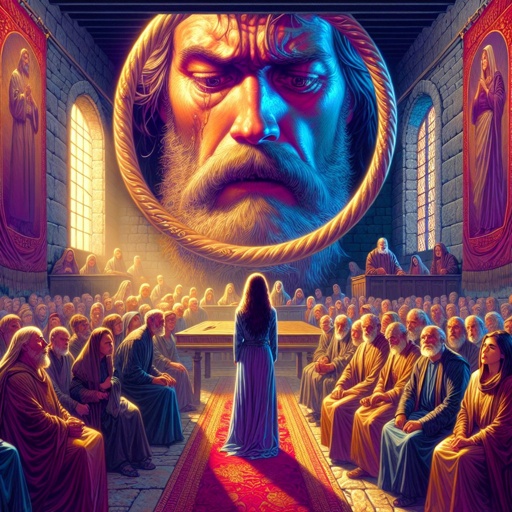
Mark 6:26 - "And the king was exceeding sorry; yet for his oath's sake, and for their sakes which sat with him, he would not reject her."
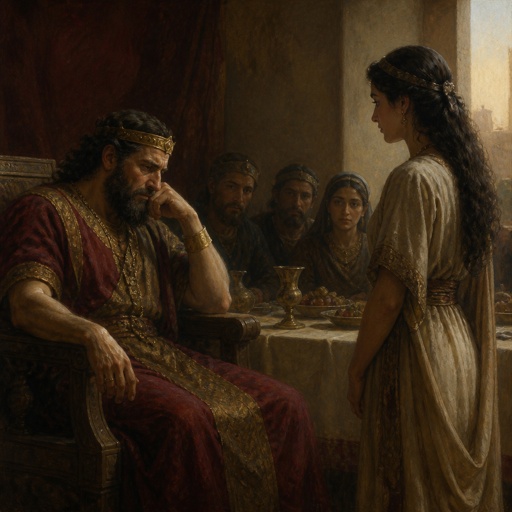
"And the king was exceeding sorry; yet for his oath's sake, and for their sakes which sat with him, he would not reject her." - Mark 6:26

Mark 6:1-6

Mark 15:26 - "And the superscription of his accusation was written over, THE KING OF THE JEWS."

Mark 14:26 - "¶ And when they had sung an hymn, they went out into the mount of Olives."

Mark 13:26 - "And then shall they see the Son of man coming in the clouds with great power and glory."
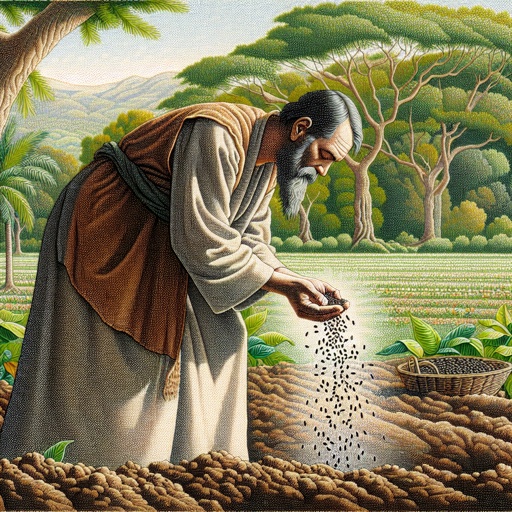
Mark 4:26 (KJVA) 26 And he said, So is the kingdom of God, as if a man should cast seed into the ground;
Mark 10:26 - "And they were astonished out of measure, saying among themselves, Who then can be saved?"

Mark 4:26 - "¶ And he said, So is the kingdom of God, as if a man should cast seed into the ground;"

Mark 3:26 - "And if Satan rise up against himself, and be divided, he cannot stand, but hath an end."

Mark 11:26 - "But if ye do not forgive, neither will your Father which is in heaven forgive your trespasses."

Mark 16:6-8

Mark 16:6-8

Mark 6:6 - "And he marvelled because of their unbelief. And he went round about the villages, teaching."

Mark 16:6-8

Mark 1:26 - "And when the unclean spirit had torn him, and cried with a loud voice, he came out of him."

Mark 6:32 - "And they departed into a desert place by ship privately."
Mark 6:52 - "For they considered not the miracle of the loaves: for their heart was hardened."

Mark 6:9 - "But be shod with sandals; and not put on two coats."

Mark 6:40 - "And they sat down in ranks, by hundreds, and by fifties."

Mark 6:42 - "And they did all eat, and were filled."

Mark 8:26 - "And he sent him away to his house, saying, Neither go into the town, nor tell it to any in the town."
Mark 7:26 - "The woman was a Greek, a Syrophenician by nation; and she besought him that he would cast forth the devil out of her daughter."

Mark 2:6 - "But there were certain of the scribes sitting there, and reasoning in their hearts,"
Mark 6:12 - "And they went out, and preached that men should repent."

Mark 5:26 - "And had suffered many things of many physicians, and had spent all that she had, and was nothing bettered, but rather grew worse,"

Genesis 26:6 - "¶ And Isaac dwelt in Gerar:"

Leviticus 26: 4-6

Luke 6:21-26

Leviticus 26: 4-6