What does Mark 7:1 mean?
“Then came together unto him the Pharisees, and certain of the scribes, which came from Jerusalem.” — Mark 7:1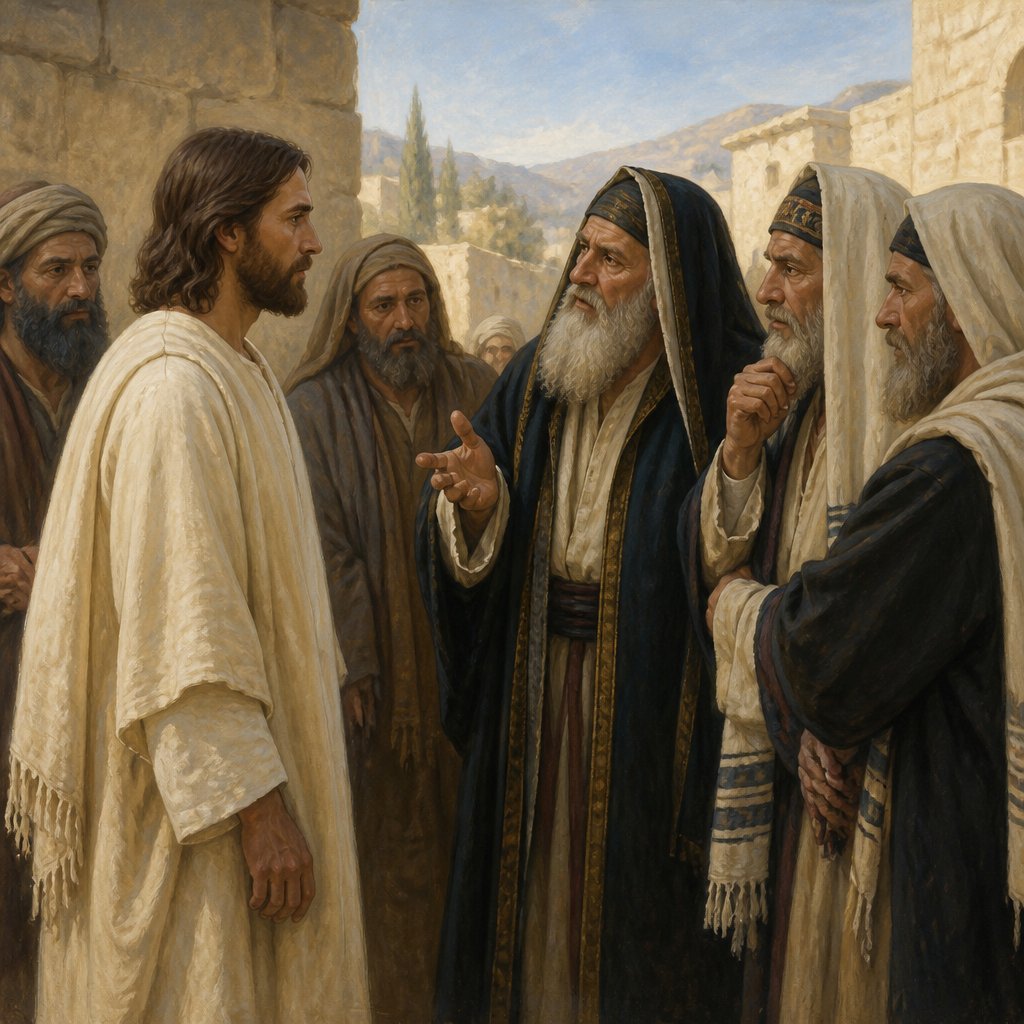
The Bible verse Mark 7:1 from the King James Version (KJV) states: "Then came together unto him the Pharisees, and certain of the scribes, which came from Jerusalem."
This verse marks the beginning of a pivotal passage in the Gospel of Mark, in which Jesus engages in a heated debate with the Pharisees and scribes over the issue of ceremonial washing. The Pharisees and scribes were religious leaders of the Jewish community in Jerusalem, and they were known for their strict adherence to the Mosaic Law and their emphasis on external ritual purity.
The context of Mark 7:1 is crucial to understanding its significance. In the preceding chapters, Jesus had been performing numerous miraculous acts and teaching about the kingdom of God. His popularity was growing, and he was gaining a reputation as a powerful and unconventional religious leader. This verse serves as an introduction to the conflict that arises when the Pharisees and scribes confront Jesus about his disciples' failure to observe the traditional washing rituals before eating.
The themes present in this verse and the subsequent passage include the clash between religious tradition and the teachings of Jesus, the nature of true righteousness, and the significance of the human heart in matters of faith and morality. The Pharisees and scribes were deeply entrenched in their rigid adherence to religious customs and laws, and they were quick to criticize Jesus and his followers for deviating from these practices. In their eyes, Jesus and his disciples were disregarding the sacred traditions of their faith, and they sought to challenge and discredit Jesus' authority.
However, Jesus responds to their accusations with a scathing rebuke, quoting the prophet Isaiah and accusing the religious leaders of honoring God with their lips while their hearts were far from Him. He goes on to explain that true defilement comes from within, from the corrupt desires and intentions of the heart, rather than from external actions or rituals. This challenges the Pharisees and scribes' narrow focus on outward appearances and emphasizes the importance of inner purity and sincerity in one's relationship with God.
Symbolism also plays a significant role in this passage. The act of ceremonial washing was symbolic of the Pharisees' emphasis on outward cleanliness and adherence to religious rituals. By challenging this practice, Jesus is symbolically disrupting the Pharisees' authority and drawing attention to the true nature of righteousness. The conflict between Jesus and the religious leaders serves as a metaphor for the tension between legalism and grace, between rigid tradition and the transformative power of the gospel.
Ultimately, the significance of Mark 7:1 and the subsequent passage lies in its portrayal of Jesus as a radical and revolutionary figure who challenges the status quo and confronts religious hypocrisy. It serves as a powerful reminder of the need for sincerity, humility, and true faith in our relationship with God, rather than empty religious observance. The teachings of Jesus in this passage continue to resonate as a call to authenticity and integrity in our spiritual lives, emphasizing the importance of the heart and inner transformation over outward conformity to religious tradition.
Get our apps


Artwork for Mark 7:1

Mark 7:1 - "Then came together unto him the Pharisees, and certain of the scribes, which came from Jerusalem."
"Then came together unto him the Pharisees, and certain of the scribes, which came from Jerusalem." - Mark 7:1
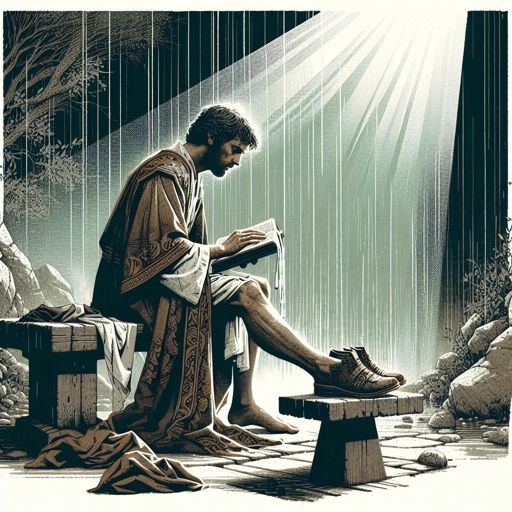
Mark 1:7 - "And preached, saying, There cometh one mightier than I after me, the latchet of whose shoes I am not worthy to stoop down and unloose."

Mark 13:7

Mark 13:7

Mark 8:7

Mark 13:7

Mark 7:7 - "Howbeit in vain do they worship me, teaching for doctrines the commandments of men."

Mark 7:31-37

Mark 7:31-37

Mark 7:7 (KJVA) 7 Howbeit in vain do they worship me, teaching for doctrines the commandments of men.

Mark 7:7 (KJVA) 7 Howbeit in vain do they worship me, teaching for doctrines the commandments of men.

Mark 7:7 (KJVA) 7 Howbeit in vain do they worship me, teaching for doctrines the commandments of men.

Mark 7:7 (KJVA) 7 Howbeit in vain do they worship me, teaching for doctrines the commandments of men.

Mark 7:7 (KJVA) 7 Howbeit in vain do they worship me, teaching for doctrines the commandments of men.

Mark 7:7 (KJVA) 7 Howbeit in vain do they worship me, teaching for doctrines the commandments of men.

Mark 7:7 (KJVA) 7 Howbeit in vain do they worship me, teaching for doctrines the commandments of men.

Mark 7:20 - "And he said, That which cometh out of the man, that defileth the man."

Mark 7:16 - "If any man have ears to hear, let him hear."

Mark 7:23 - "All these evil things come from within, and defile the man."

Mark 7:7 Howbeit in vain do they worship me, teaching for doctrines the commandments of men.
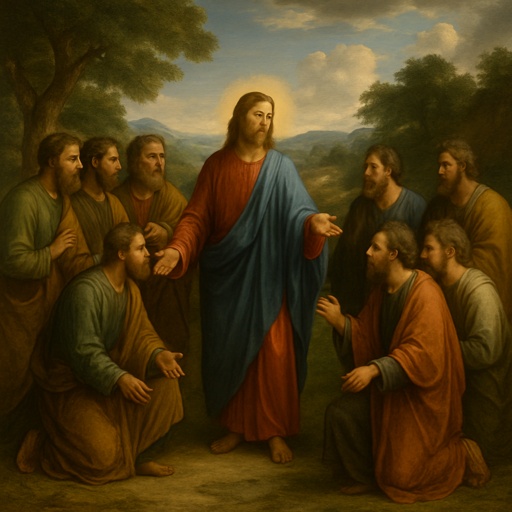
Mark 6:7 says that Jesus called his twelve disciples and began to send them out two by two, giving them authority over unclean spirits.

Mark 7:34 - "And looking up to heaven, he sighed, and saith unto him, Ephphatha, that is, Be opened."

Mark 10:7 - "For this cause shall a man leave his father and mother, and cleave to his wife;"

Mark 4:7 - "And some fell among thorns, and the thorns grew up, and choked it, and it yielded no fruit."

Mark 11:7 - "And they brought the colt to Jesus, and cast their garments on him; and he sat upon him."

Mark 7:12 - "And ye suffer him no more to do ought for his father or his mother;"
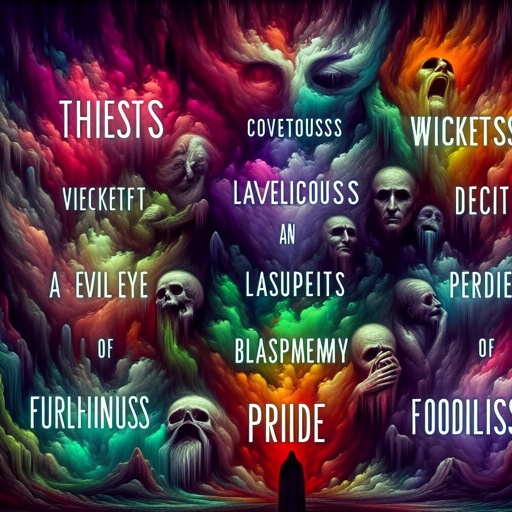
Mark 7:22 - "Thefts, covetousness, wickedness, deceit, lasciviousness, an evil eye, blasphemy, pride, foolishness:"

Mark 7:21 - "For from within, out of the heart of men, proceed evil thoughts, adulteries, fornications, murders,"

Mark 7:3 - "For the Pharisees, and all the Jews, except they wash their hands oft, eat not, holding the tradition of the elders."