What does Matthew 10:13 mean?
"And if the house be worthy, let your peace come upon it: but if it be not worthy, let your peace return to you." - Matthew 10:13
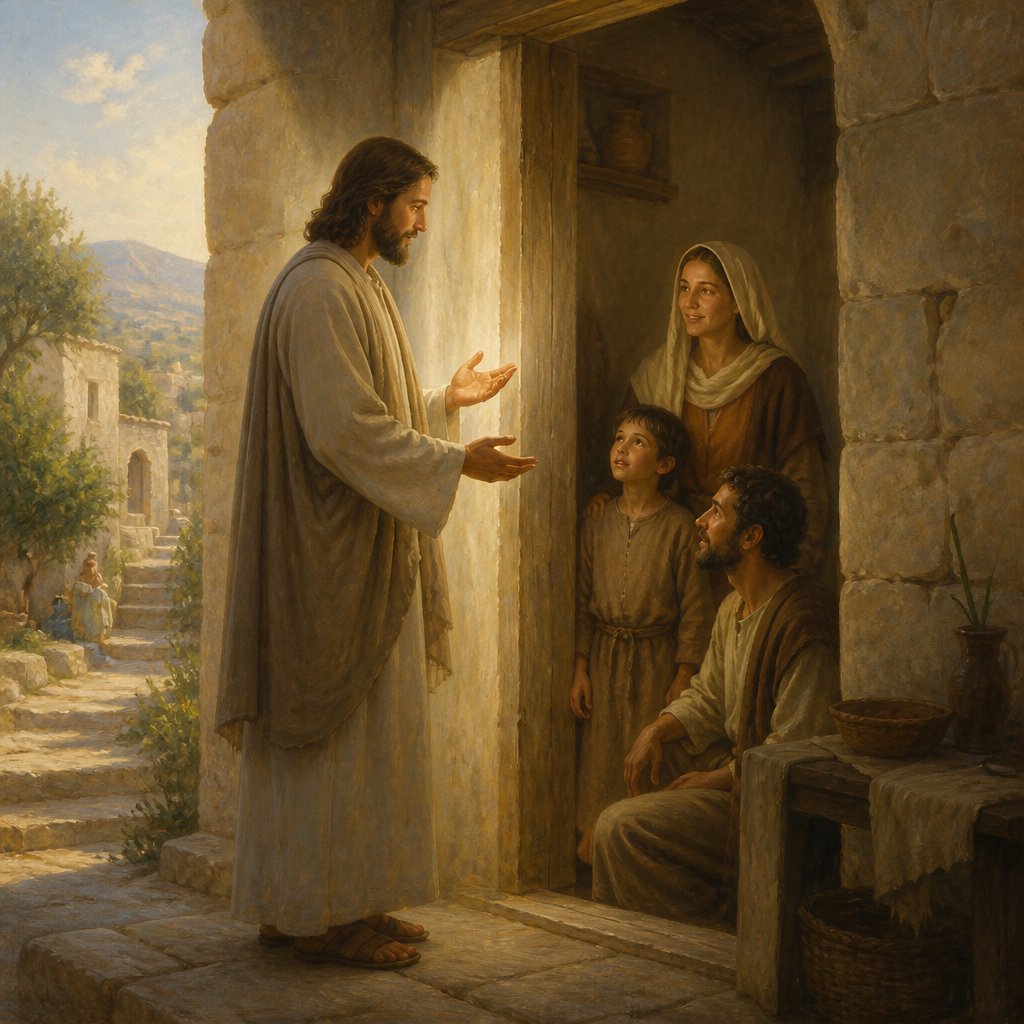
Matthew 10:13 in the King James Version of the Bible reads, "And if the house be worthy, let your peace come upon it: but if it be not worthy, let your peace return to you."
This verse comes from a passage in the New Testament where Jesus is sending out his twelve disciples to preach the gospel. He gives them instructions on how to conduct themselves, what to preach, and how to handle different situations they may encounter. The verse in question is part of Jesus' instructions on how the disciples should interact with the people they meet along the way.
In this verse, Jesus is telling his disciples that the reception they receive when entering a new town or household will be indicative of the spiritual state of the people there. If the house is worthy, meaning if the people are receptive to the disciples' message and are open to the gospel, then the disciples should let their peace come upon that house. This means that they should offer their blessings and good wishes to those who are welcoming and accepting of their message. On the other hand, if the house is not worthy, if the people reject the disciples and their message, then the disciples should let their peace return to them. In other words, they should not waste their blessings on those who are not open to receiving them.
One of the key themes in this verse is the concept of worthiness. This concept is central to Jesus' teachings, as he often emphasized the importance of faith and receptivity in receiving God's blessings. The verse also speaks to the disciples' role as messengers of the gospel and the responsibility they have to discern who is open to receiving their message.
The context of this verse is important to understand its full meaning. At the time when Jesus spoke these words, the message of the gospel was new and revolutionary. The disciples were tasked with spreading this message to a world that was largely unfamiliar with it and often resistant to its teachings. Therefore, Jesus' instructions were meant to guide the disciples in how to navigate this uncharted territory and interact with those they encountered.
Symbolism also plays a significant role in this verse. The concept of "letting your peace come upon" or "return to you" symbolizes the spiritual blessings and goodwill that the disciples carry with them. This peace represents the message of the gospel and the love and grace of God that they are sharing with others. By instructing the disciples to let their peace come upon a worthy house, Jesus is emphasizing the importance of sharing God's blessings with those who are open to receiving them. Conversely, by instructing them to let their peace return to them if the house is unworthy, Jesus is teaching them not to waste their spiritual energy and blessings on those who are closed off to their message.
In conclusion, Matthew 10:13 is a verse that carries important teachings about the disciples' mission to spread the gospel, the concept of worthiness in receiving God's blessings, and the responsibility to discern who is receptive to the message of the gospel. It also emphasizes the symbolic significance of spiritual blessings and the importance of sharing them with those who are open to receiving them. Understanding the context and significance of this verse can provide valuable insights into the teachings of Jesus and the early spread of the Christian faith.
Have questions about Matthew 10:13?
Dive deeper into this scripture with Bible Chat — an AI-powered tool for exploring God's Word through conversation. Ask questions, get context, and grow in your understanding of the Bible.
Get Our Apps


Matthew 10:13 Artwork

Matthew 10:13 - "And if the house be worthy, let your peace come upon it: but if it be not worthy, let your peace return to you."
"And if the house be worthy, let your peace come upon it: but if it be not worthy, let your peace return to you." - Matthew 10:13

Matthew 13:10 - "And the disciples came, and said unto him, Why speakest thou unto them in parables?"
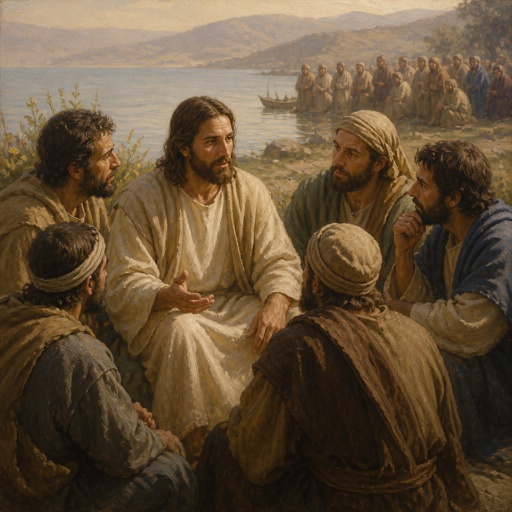
"And the disciples came, and said unto him, Why speakest thou unto them in parables?" - Matthew 13:10

Matthew 13

Matthew 8:13

Matthew 8:13

Matthew 8:13

Matthew 13

matthew 15 matthew 15:10

Matthew 7:13-14

Matthew 7:13-14

Matthew 7:13-14

Matthew 7:13-14

Matthew 7:13-14

Matthew 7:13-14

Matthew 7:13-14

Matthew 7:13-14

Matthew 7:13-14

Matthew 7:13-14

Matthew 7:13-14

Matthew 7:13

Matthew 2:13

Matthew 13:8

Matthew 6:13

Matthew 2:13

Matthew 19:13

Matthew 1:10

Matthew 18:10

Matthew 1:10