What does Matthew 10:28 mean?
"And fear not them which kill the body, but are not able to kill the soul: but rather fear him which is able to destroy both soul and body in hell." - Matthew 10:28
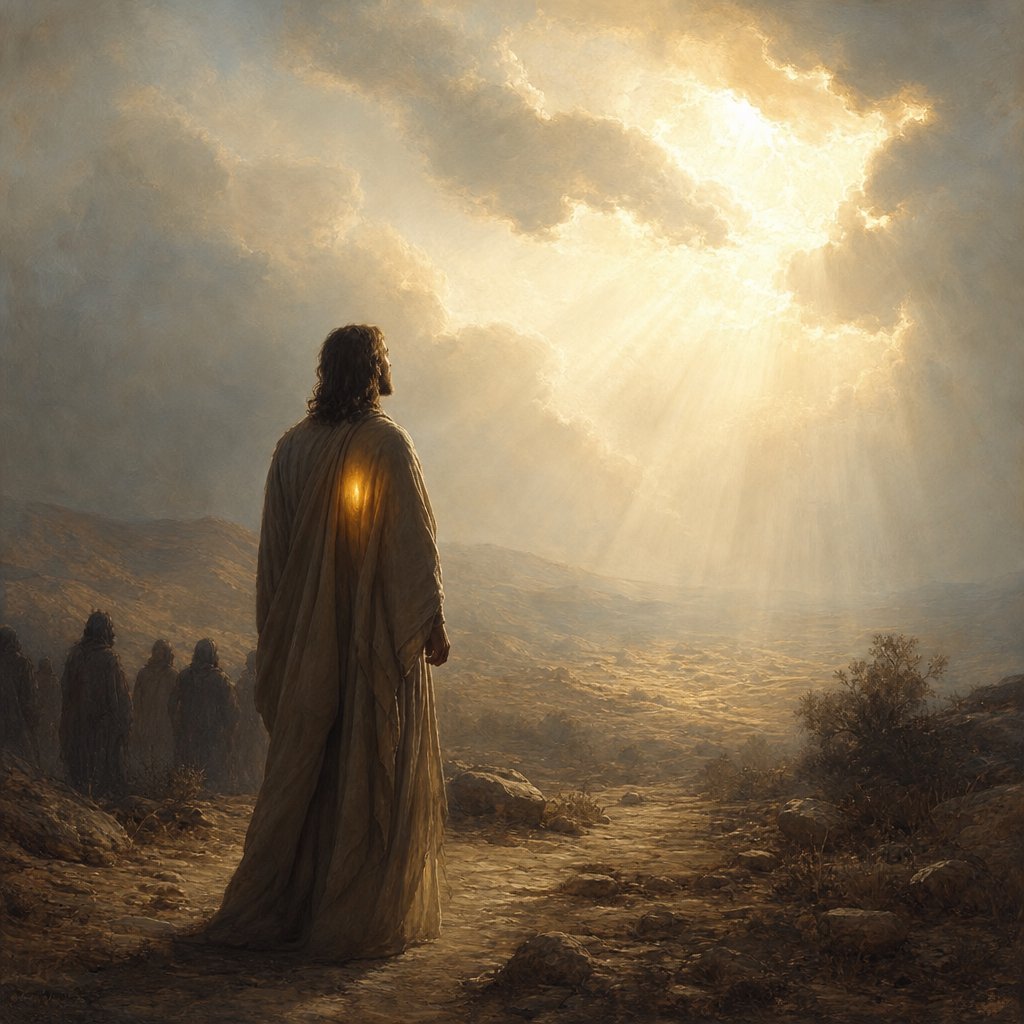
Matthew 10:28 in the King James Version reads, “And fear not them which kill the body, but are not able to kill the soul: but rather fear him which is able to destroy both soul and body in hell.”
In its immediate setting, this sentence belongs to Jesus’ instructions to the twelve as he sends them forth to preach. The chapter is full of sober warnings: they will be opposed, examined, betrayed, and hated “for my name’s sake.” Jesus is preparing them to speak his words publicly even when that speech brings danger. So the verse is not a detached proverb about fear in general; it is a pastoral command given to men about to be exposed to violence and injustice for the gospel. He places their coming sufferings inside a larger scale of realities, so that the most threatening thing they can face will be seen as less ultimate than it feels.
The verse turns on a contrast between two kinds of power. “Them which kill the body” represents earthly persecutors, whether authorities, mobs, or any human force that can injure, imprison, or execute. Jesus does not deny that such people can truly harm; “kill the body” is said plainly. Yet he immediately limits their reach: they “are not able to kill the soul.” In KJV wording, “body” stands for the visible, mortal life that can be taken in time, while “soul” points to the life of the person before God, the part of man that does not fall under the final control of human hands. The statement is meant to relocate the disciple’s center of gravity. Human violence can end one’s earthly breath, but it cannot seize the inner life and determine the last verdict over a person. That verdict belongs to God.
The command “fear not” therefore is not an invitation to recklessness, nor a dismissal of pain, but a reordering of fear. Scripture often treats “fear” as more than emotion; it is reverence, regard, and the recognition of true authority. Jesus forbids a fear that treats man as ultimate. In the same breath he commands a different fear: “but rather fear him.” The “him” in the verse is God, the One whose power extends beyond death and whose judgment reaches the whole person. Christ is teaching that when fears compete—fear of man’s threats against the body and fear of God’s authority over soul and body—only one fear is rational and faithful. The disciple must live before the face of God rather than before the shifting faces of men.
The most arresting phrase is “able to destroy both soul and body in hell.” The weight of the warning is that God’s judgment is comprehensive; it touches “both soul and body,” not merely outward circumstances. “Destroy” here functions as judicial ruin, the loss of life as God intends it, not simply the ending of biological function. The word “hell” in the KJV is not presented as a mere metaphor for hard times, but as the place of final judgment. The verse is therefore not only consoling but also morally serious: it comforts the faithful by limiting what persecutors can do, and it sobers every hearer by reminding them that the greatest peril is not suffering for Christ but standing opposed to God.
Symbolically, the “body” and the “soul” also represent two horizons of concern. The body is the realm of what can be seen, measured, threatened, and controlled by men: public reputation, safety, livelihood, health, and lifespan. The soul is the realm of the unseen: faith, allegiance, conscience, and one’s relation to God. Persecution typically works by making the visible horizon feel absolute—making the disciple believe that survival, comfort, or social acceptance is the highest good. Jesus breaks that spell. He reminds his followers that the soul is not negotiable currency to buy bodily safety, and that the faithful must not trade eternal truth for temporary relief. If a man can only touch the body, then a disciple must not let bodily threats govern spiritual obedience.
The significance of the verse also appears when held alongside the surrounding themes in Matthew 10. Jesus repeatedly speaks of confession and witness before men, and of God’s acknowledgement of those who acknowledge Christ. The verse undergirds that call: the courage to confess Christ arises when a person’s deepest fear is not of rejection or death but of God. Likewise, later in the same discourse Jesus will speak of God’s care for the smallest sparrow and the numbering of the hairs of the head. That tenderness does not cancel the warning of judgment; rather, together they form a full picture of God as both Judge and Father. The disciple can endure threats because God both reigns and sees.
In prose, then, Matthew 10:28 teaches that persecution, even to the point of death, is not the final authority over a believer. Men may take the body, but they cannot take the soul, because they cannot pronounce the last word over a human life. The final word belongs to God, whose power extends beyond death and whose judgment concerns the whole person. Therefore Jesus calls his followers to a holy fear that displaces cowardly fear, to a reverence that produces steadfastness, and to a valuation of eternal realities above temporal terrors. The verse does not minimize suffering; it maximizes God. It anchors Christian courage in the truth that bodily life is not ultimate, and it warns that the most serious danger is not what man can do to us, but what it means to stand under the judgment of the One who can “destroy both soul and body in hell.”
Have questions about Matthew 10:28?
Dive deeper into this scripture with Bible Chat — an AI-powered tool for exploring God's Word through conversation. Ask questions, get context, and grow in your understanding of the Bible.
Get Our Apps


Matthew 10:28 Artwork

Matthew 10:28 - "And fear not them which kill the body, but are not able to kill the soul: but rather fear him which is able to destroy both soul and body in hell."
"And fear not them which kill the body, but are not able to kill the soul: but rather fear him which is able to destroy both soul and body in hell." - Matthew 10:28

Matthew 28:10 - "Then said Jesus unto them, Be not afraid: go tell my brethren that they go into Galilee, and there shall they see me."

matthew 28:19

matthew 28:19

MATTHEW 28: 23

Matthew 23:28

matthew 8:28

Matthew 28:11

Matthew 23:28

Matthew 28:19-20
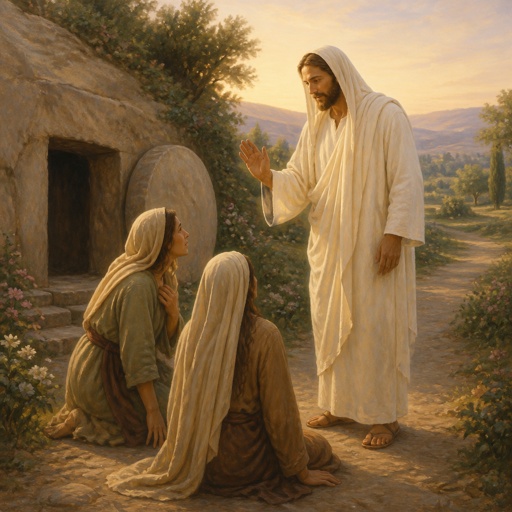
"Then said Jesus unto them, Be not afraid: go tell my brethren that they go into Galilee, and there shall they see me." - Matthew 28:10

Matthew 28:19-20

Matthew 28: 19-20

Matthew 28:19-20

Matthew 24:28 - "For wheresoever the carcase is, there will the eagles be gathered together."

Matthew 27:28 - "And they stripped him, and put on him a scarlet robe."

Matthew 28:17 - "And when they saw him, they worshipped him: but some doubted."

Genesis 28:10

matthew 15 matthew 15:10

Matthew 28:3 - "His countenance was like lightning, and his raiment white as snow:"

Matthew 28:4 - "And for fear of him the keepers did shake, and became as dead men."

Matthew 28:14 - "And if this come to the governor's ears, we will persuade him, and secure you."

Genesis 10:28 - "And Obal, and Abimael, and Sheba,"

Matthew 26:28 - "For this is my blood of the new testament, which is shed for many for the remission of sins."

Matthew 28:8-10 8 And they departed quickly from the sepulchre with fear and great joy; and did run to bring his disciples word. 9 And as they went to tell his disciples, behold, Jesus met them, saying, All hail. And they came and held him by the feet, and worshipped him. 10 Then said Jesus unto them, Be not afraid: go tell my brethren that they go into Galilee, and there shall they see me.

Matthew 22:28 - "Therefore in the resurrection whose wife shall she be of the seven? for they all had her."

Matthew 12:28 - "But if I cast out devils by the Spirit of God, then the kingdom of God is come unto you."

Matthew 1:10

Matthew 18:10