What does Matthew 12:2 mean?
“But when the Pharisees saw it, they said unto him, Behold, thy disciples do that which is not lawful to do upon the sabbath day.” — Matthew 12:2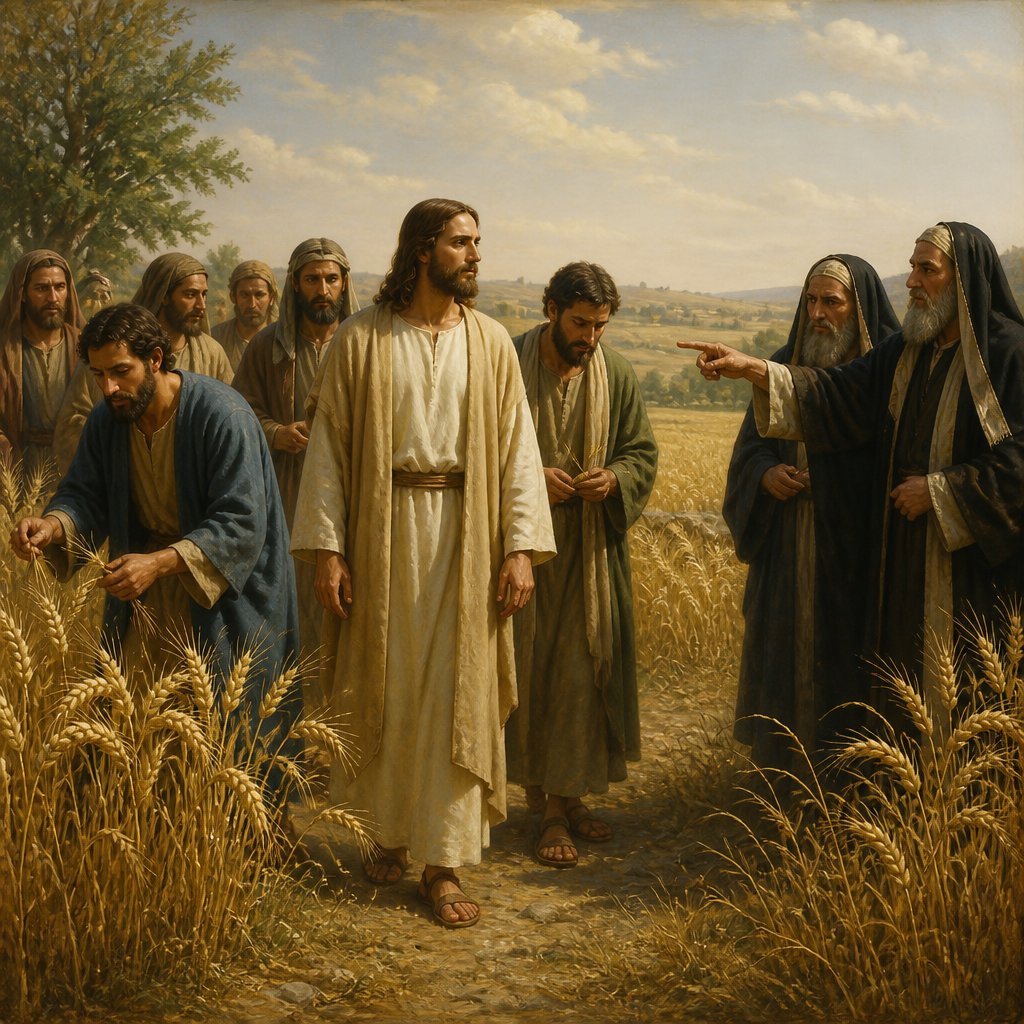
In Matthew 12:2, the King James Version (KJV) states, "But when the Pharisees saw it, they said unto him, Behold, thy disciples do that which is not lawful to do upon the sabbath day."
This verse is part of a larger passage in which Jesus and his disciples are walking through a field on the Sabbath, and the disciples pluck ears of corn to eat. The Pharisees, who were known for their strict observance of religious laws and traditions, criticized the disciples for "doing that which is not lawful to do upon the sabbath day." This criticism sets the stage for a confrontation between Jesus and the Pharisees regarding the interpretation and application of the Sabbath laws.
The themes present in this verse revolve around the conflict between legalism and compassion, as well as the authority of Jesus as the Son of God. The Pharisees were focused on upholding the letter of the law, adhering to strict rules and regulations, while Jesus emphasized the spirit of the law, prioritizing love, mercy, and compassion for others. This passage challenges the traditional understanding of Sabbath observance, highlighting the tension between legalistic adherence to rules and the compassionate response to human need.
The context of this passage is essential for understanding its significance. In Jewish tradition, the Sabbath was a sacred day of rest and worship, set aside by God as a sign of the covenant between Him and the people of Israel. The Sabbath regulations were meant to provide a time for rest, reflection, and worship. However, over time, these laws had become burdened with legalistic interpretations and stringent rules, leading to a narrow and rigid understanding of Sabbath observance.
In this passage, Jesus challenges the Pharisees' interpretation of the Sabbath laws by demonstrating that compassion and meeting human needs take precedence over rigid adherence to rules. He points to the examples of David and his men eating the showbread in the Temple (which was technically unlawful) and the priests who worked in the Temple on the Sabbath. These examples illustrate that there are exceptions to the Sabbath laws when human need is involved.
Symbolically, Jesus' actions in this passage serve as a foreshadowing of his role as the fulfillment of the Sabbath. Throughout the Gospels, Jesus consistently challenges the rigid, legalistic interpretations of the law and instead emphasizes the heart of God's intention behind the law – to love God and to love one's neighbor. In this sense, Jesus is presenting himself as the embodiment of the Sabbath rest, offering peace, healing, and restoration to all who come to him.
Ultimately, this passage confronts the reader with the question of what it means to truly honor God and his commandments. Is it about strict adherence to rules and regulations, or is it about living a life of compassion, mercy, and love for others? Jesus' response to the Pharisees challenges us to reevaluate our understanding of religious observance and to prioritize the things that are truly important to God – justice, mercy, and faithfulness.
In conclusion, Matthew 12:2 from the King James Version presents a powerful commentary on the tension between legalism and compassion, challenging traditional interpretations of Sabbath observance and emphasizing the transformative power of Jesus as the fulfillment of the Sabbath. This passage carries profound implications for how we approach religious laws and traditions, calling us to prioritize love and compassion in our relationship with God and others.
Get our apps


Artwork for Matthew 12:2

Matthew 12:2 - "But when the Pharisees saw it, they said unto him, Behold, thy disciples do that which is not lawful to do upon the sabbath day."
"But when the Pharisees saw it, they said unto him, Behold, thy disciples do that which is not lawful to do upon the sabbath day." - Matthew 12:2

Matthew 2:1-12

Matthew 2:1-12

Matthew 2:1-12

Matthew 2:1-12

Matthew 2:12 - "And being warned of God in a dream that they should not return to Herod, they departed into their own country another way."

Matthew 3:11-12

Matthew 3:11-12

Matthew 3:12

Matthew 3:12

Matthew 23:12

Matthew 7:12

Matthew 23:12

Matthew 7:12

Matthew 3:12

Matthew 12:36-37

Matthew 5:1 a 12

matthew 12:36-37

Matthew 5:8-12

Matthew 5:1 a 12

Matthew 12:36-37

Matthew 12:12 - "How much then is a man better than a sheep? Wherefore it is lawful to do well on the sabbath days."
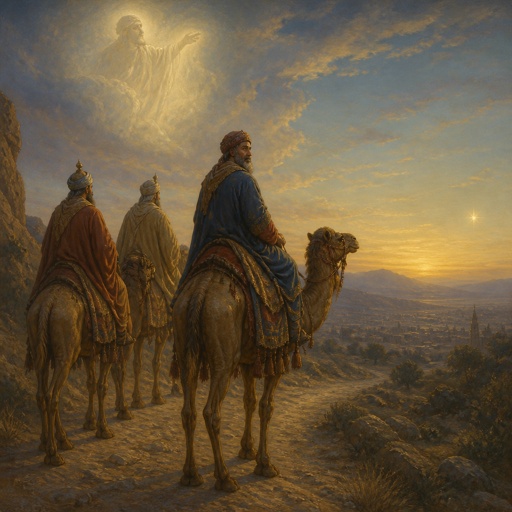
"And being warned of God in a dream that they should not return to Herod, they departed into their own country another way." - Matthew 2:12

Matthew 10:12 - "And when ye come into an house, salute it."

Matthew 12:21 - "And in his name shall the Gentiles trust."

Matthew 12:16 - "And charged them that they should not make him known:"

Matthew 12:8 - "For the Son of man is Lord even of the sabbath day."

Matthew 12:23 - "And all the people were amazed, and said, Is not this the son of David?"

Matthew 12:9 - "And when he was departed thence, he went into their synagogue:"