What does Matthew 13:1 mean?
“The same day went Jesus out of the house, and sat by the sea side.” — Matthew 13:1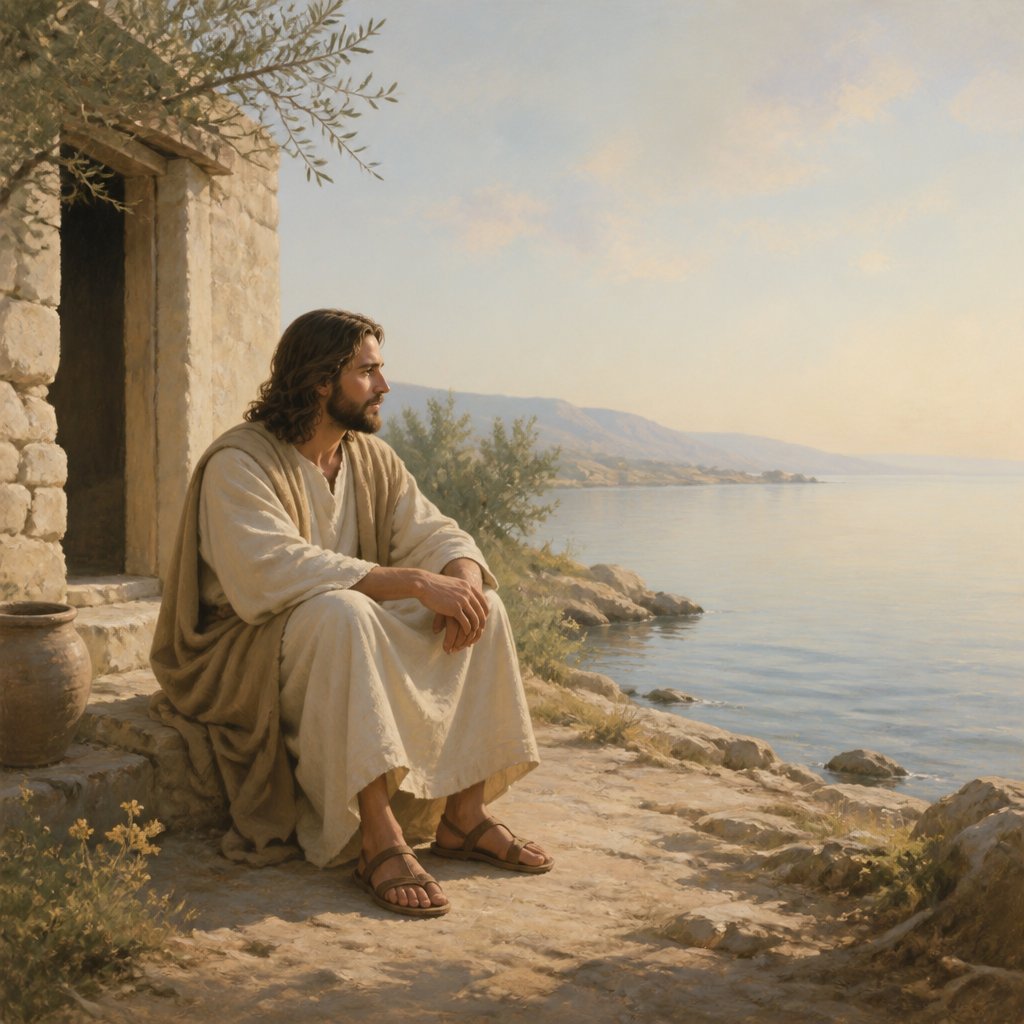
The verse Matthew 13:1 in the King James Version (KJV) of the Bible reads, "The same day went Jesus out of the house, and sat by the sea side." This verse is the beginning of the parable of the sower, which is a well-known and widely studied passage in the Bible. This parable is a crucial teaching of Jesus that conveys the message of the Kingdom of God and the different responses of people to that message.
The verse sets the stage for the parable by describing the setting in which Jesus delivers this important teaching. Jesus often used natural surroundings as a backdrop for his teachings, and in this case, he goes out of a house and sits by the sea side. This setting is significant, as it provides a natural and open space for Jesus to address a large crowd of people.
The sea side is a symbolic location, as water is often used as a symbol for life and cleansing in the Bible. The sea here can be seen as representative of the world, and sitting by the sea side indicates a wide reach for Jesus's teachings to go out to all people. This aligns with the Christian belief that the message of the Gospel is meant for everyone, regardless of social status, race, or gender.
Furthermore, sitting by the sea side also suggests a sense of calm and tranquility, which creates a peaceful and receptive atmosphere for Jesus to deliver his teachings. It signifies the importance of finding a quiet and contemplative space to learn and reflect on the Word of God.
The beginning of the parable of the sower in Chapter 13 of the Book of Matthew is significant because it sets the stage for Jesus's teaching on the different types of responses to the message of the Kingdom of God. The parable describes a sower who sows seed, which falls on different types of soil – along the path, on rocky ground, among thorns, and on good soil. Each of these instances represents a different response to the Gospel message, with the good soil symbolizing a receptive heart that bears fruit, and the other types of soil representing various forms of rejection and resistance.
This parable serves as a metaphor for the different ways in which people respond to the message of salvation. It highlights the importance of cultivating a heart that is open and receptive to the teachings of Jesus. It also emphasizes the need for perseverance and faith in spreading the Gospel, as not all will receive it with open hearts.
The broader theme of the parable of the sower is the understanding of the Kingdom of God and the significance of the human response to it. It explores the idea that the Word of God is sown in various hearts, but its reception and fruition depend on the condition of the soil. This parable encourages believers to consider their own receptivity to the Gospel and to cultivate a heart that is open, humble, and eager to receive and apply God's Word in their lives.
In conclusion, the verse Matthew 13:1 in the KJV sets the stage for the parable of the sower and provides a meaningful context for Jesus's teaching on the Kingdom of God. The setting by the sea side and the subsequent parable serve as powerful metaphors for the importance of receptivity and perseverance in response to the Gospel message. This teaching continues to be a source of significant reflection and inspiration for Christians, urging them to consider their own hearts and their response to God's Word.
Get our apps


Artwork for Matthew 13:1
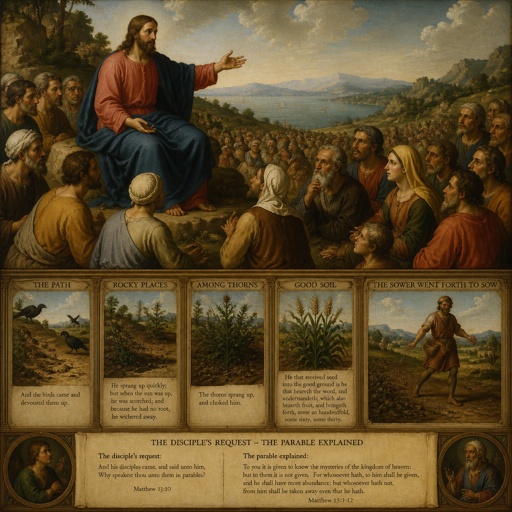
Matthew 13:1-23
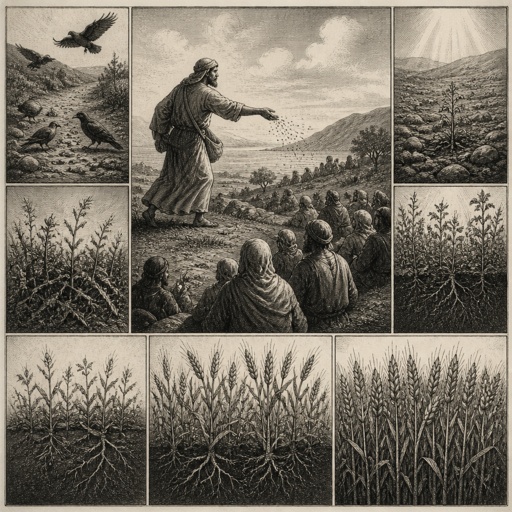
Matthew 13:1-23

Matthew 13:1 - "The same day went Jesus out of the house, and sat by the sea side."
"The same day went Jesus out of the house, and sat by the sea side." - Matthew 13:1

Matthew 13:8

Matthew 1:13 - "And Zorobabel begat Abiud; and Abiud begat Eliakim; and Eliakim begat Azor;"

Matthew 13

Matthew 8:13

Matthew 8:13

Matthew 8:13

Matthew 13

Matthew 7:13-14

Matthew 7:13-14

Matthew 7:13-14

Matthew 7:13-14

Matthew 7:13-14

Matthew 7:13-14

Matthew 7:13-14

Matthew 7:13-14

Matthew 7:13-14

Matthew 7:13-14

Matthew 7:13-14

Matthew 7:13

Matthew 2:13

Matthew 6:13

Matthew 2:13

Matthew 19:13
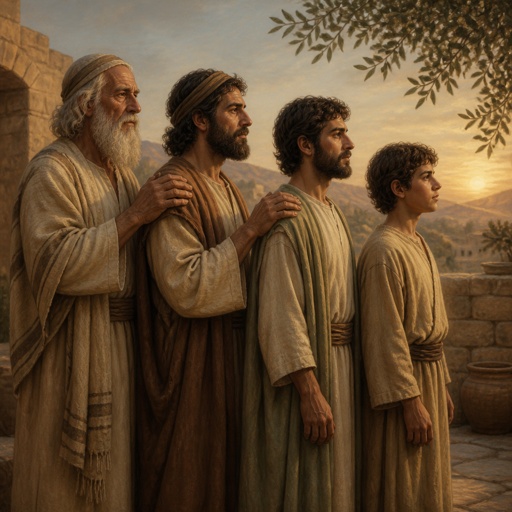
"And Zorobabel begat Abiud; and Abiud begat Eliakim; and Eliakim begat Azor;" - Matthew 1:13

Matthew 7:13-14

Matthew 7:13-14