What does Matthew 13:10 mean?
"And the disciples came, and said unto him, Why speakest thou unto them in parables?" - Matthew 13:10

Matthew 13:10 in the King James Version of the Bible reads: "And the disciples came, and said unto him, Why speakest thou unto them in parables?" This verse is part of a larger passage known as the Parable of the Sower, in which Jesus tells a story about a sower who sows seeds on different types of soil, representing the different ways people receive and respond to the word of God.
In this particular verse, the disciples are questioning why Jesus chooses to speak to the people in parables rather than directly and clearly. This passage prompts a deeper exploration into the nature of parables, the purpose of Jesus' teaching, and the response of his disciples.
The use of parables was a common teaching method employed by Jesus throughout his ministry. Parables are simply stories or illustrations used to convey spiritual truths and concepts in a way that is easily understood by the audience. Jesus used them to communicate profound truths about the kingdom of God, moral and ethical behavior, and the nature of God's relationship with humanity. Parables were a means of teaching that challenged the listeners to think deeply and critically about the message being conveyed.
The disciples' question in this verse reveals their confusion and perhaps even frustration with Jesus' use of parables. They were seeking clarity and simplicity in his teaching, but it seemed to them that he was intentionally making his message more obscure. Their question also reflects a broader concern among the disciples about the reception of Jesus' message to the larger public. They may have been wondering why Jesus was not seeking to persuade and convince people more effectively through direct and straightforward communication.
In response to their question, Jesus goes on to explain the purpose of his use of parables. He tells the disciples that he uses parables to fulfill the prophecy of Isaiah, which says, "By hearing ye shall hear, and shall not understand; and seeing ye shall see, and shall not perceive" (Matthew 13:14). In other words, Jesus is suggesting that the use of parables serves to reveal truth to those who are receptive and open-minded, while concealing it from those who are closed off and resistant to it.
This passage raises important themes regarding the nature of faith, understanding, and receptivity to the message of God. It speaks to the idea that spiritual truth is not always straightforward or easily comprehensible to all, and that there is a need for openness and receptivity on the part of those seeking to understand it. The disciples' question and Jesus' response also highlight the tension between the desire for clarity and simplicity in communication and the more complex and nuanced nature of spiritual truth.
Furthermore, the Parable of the Sower and Jesus' use of parables in general are rich with symbolism and imagery. The different types of soil on which the seeds fall represent the varying responses of people to the message of God. Some are like the rocky ground, where the word of God quickly withers and dies. Others are like the thorny ground, where the word is choked out by worldly concerns and distractions. Still others are like the good soil, where the word takes root and produces a bountiful harvest. This symbolism serves as a powerful reminder of the importance of the condition of one's heart and mind in receiving and responding to the word of God.
In conclusion, Matthew 13:10 and the larger passage it is a part of contain profound insights into the nature of Jesus' teaching, the receptivity of the human heart to spiritual truth, and the complexities of communication in matters of faith. It challenges us to consider the ways in which we approach and receive the message of God, and encourages us to be open-minded and receptive to the profound and transformative truths that can be found within the teachings of Jesus.
Have questions about Matthew 13:10?
Dive deeper into this scripture with Bible Chat — an AI-powered tool for exploring God's Word through conversation. Ask questions, get context, and grow in your understanding of the Bible.
Get Our Apps


Matthew 13:10 Artwork

Matthew 13:10 - "And the disciples came, and said unto him, Why speakest thou unto them in parables?"

"And the disciples came, and said unto him, Why speakest thou unto them in parables?" - Matthew 13:10

Matthew 10:13 - "And if the house be worthy, let your peace come upon it: but if it be not worthy, let your peace return to you."

Matthew 13

Matthew 8:13

Matthew 8:13

Matthew 8:13

Matthew 13

matthew 15 matthew 15:10
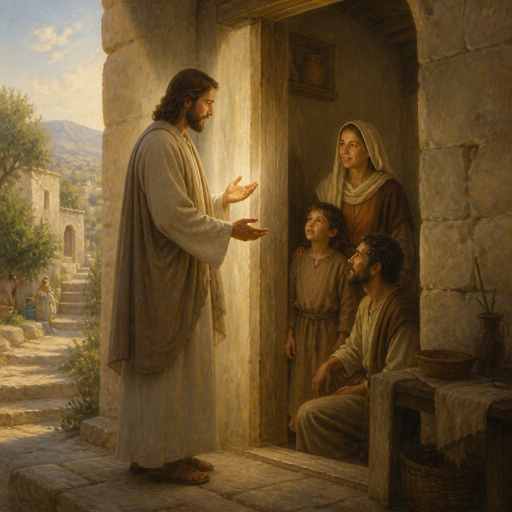
"And if the house be worthy, let your peace come upon it: but if it be not worthy, let your peace return to you." - Matthew 10:13

Matthew 7:13-14

Matthew 7:13-14

Matthew 7:13-14

Matthew 7:13-14

Matthew 7:13-14

Matthew 7:13-14

Matthew 7:13-14

Matthew 7:13-14

Matthew 7:13-14

Matthew 7:13-14

Matthew 7:13-14

Matthew 7:13

Matthew 2:13

Matthew 13:8

Matthew 6:13

Matthew 2:13

Matthew 19:13

Matthew 1:10

Matthew 18:10

Matthew 1:10