What does Matthew 13:28 mean?
“He said unto them, An enemy hath done this. The servants said unto him, Wilt thou then that we go and gather them up?” — Matthew 13:28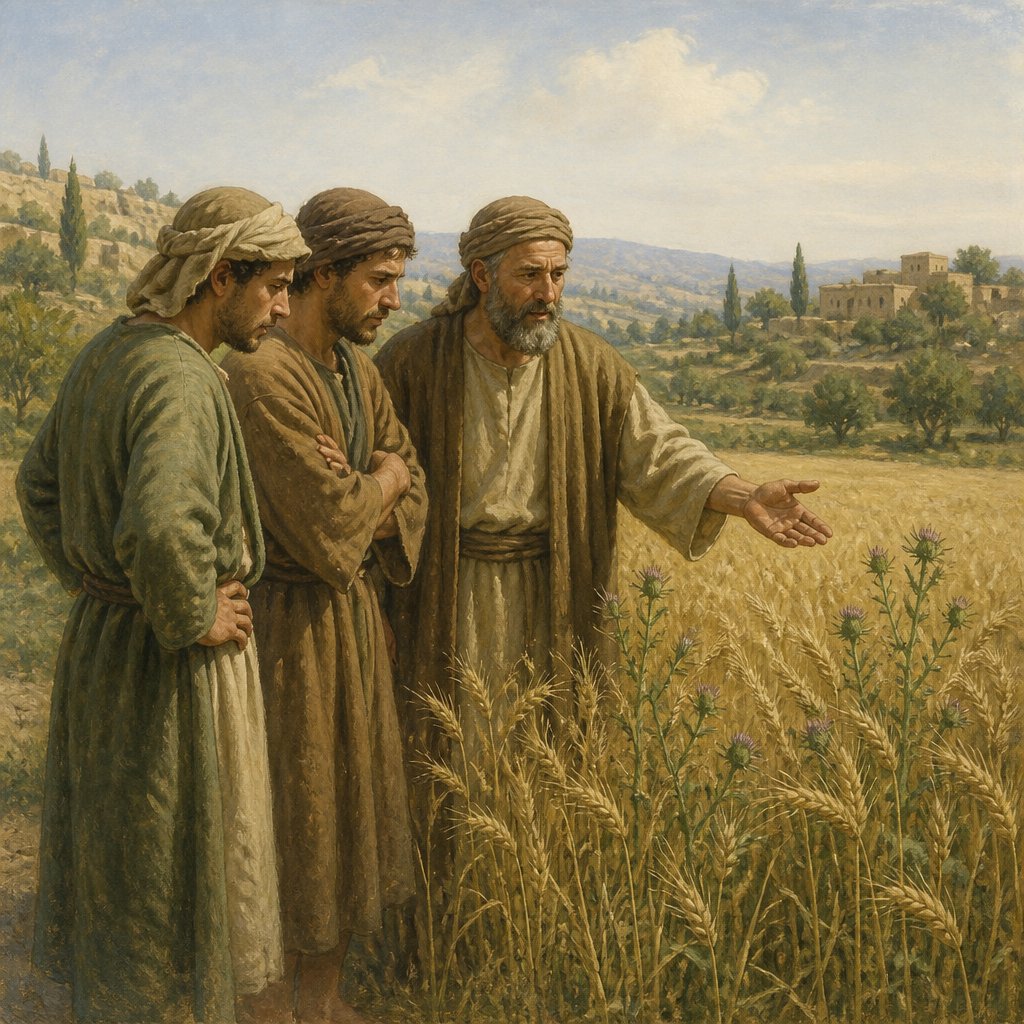
Matthew 13:28 (KJV) reads, "He said unto them, An enemy hath done this. The servants said unto him, Wilt thou then that we go and gather them up?"
This verse is part of the parable of the wheat and the tares, also known as the parable of the weeds. This particular parable is found in the Gospel of Matthew, and it is one of the many parables that Jesus used to teach his disciples and the crowds about the kingdom of heaven. The parable of the wheat and the tares is a story about a farmer who sows good seed in his field, but an enemy comes and sows weeds among the wheat. The servants want to pull up the weeds, but the farmer tells them to let the wheat and the weeds grow together until the time of harvest, at which point the weeds will be separated and burned.
The meaning and commentary of this verse, Matthew 13:28, follows an examination of the themes, context, and symbolism of the parable as a whole:
Themes:
- The parable of the wheat and the tares deals with the theme of judgment and the ultimate separation of good and evil. It teaches about the coexistence of good and evil within the world and the importance of leaving the judgment to God. It also emphasizes the patience and wisdom needed to discern between good and evil, and the consequences of trying to uproot the evil prematurely.
Context:
- The parable of the wheat and the tares comes after Jesus has been teaching the crowds in parables, including the parable of the sower and the parable of the mustard seed. The disciples ask Jesus for an explanation of why he speaks to the people in parables, and he responds by explaining that the knowledge of the kingdom of heaven has been given to them, but not to the crowds. He then goes on to give the parable of the wheat and the tares as an illustration of the coexistence of good and evil in the world.
Symbolism:
- In the parable of the wheat and the tares, the farmer represents God, the good seed represents the children of the kingdom, the weeds represent the sons of the evil one (Satan), and the enemy represents the devil. The servants in the parable represent the angels. The field represents the world, and the harvest represents the end of the age. The separation of the wheat from the tares represents the judgment of the righteous and the unrighteous at the end of the age.
In the specific verse, Matthew 13:28, the response of the servants to the farmer's instruction to let the wheat and the tares grow together reflects their desire to take immediate action and uproot the weeds. This response highlights the human inclination to seek judgment and retribution, but it also underscores the wisdom of the farmer's instruction to wait until the time of harvest. The verse captures the tension between the impatience of the servants and the patience of the farmer, and it serves as a reminder of the need to trust in God's ultimate judgment and timing.
In conclusion, Matthew 13:28, as part of the parable of the wheat and the tares, provides important insights into the nature of good and evil, the necessity of patience and discernment, and the ultimate judgment of God. It reminds believers to trust in God's sovereignty and to refrain from seeking premature judgment and retribution. This verse, along with the entire parable, offers valuable lessons for navigating the complexities of the world and living in accordance with the kingdom of heaven.
Get our apps


Artwork for Matthew 13:28
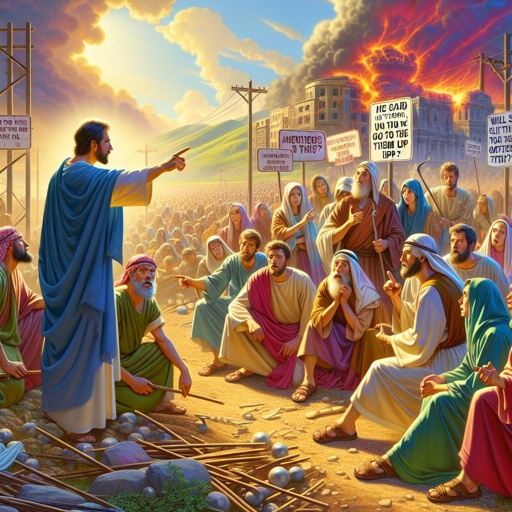
Matthew 13:28 - "He said unto them, An enemy hath done this. The servants said unto him, Wilt thou then that we go and gather them up?"
"He said unto them, An enemy hath done this. The servants said unto him, Wilt thou then that we go and gather them up?" - Matthew 13:28

Matthew 28:13 - "Saying, Say ye, His disciples came by night, and stole him away while we slept."
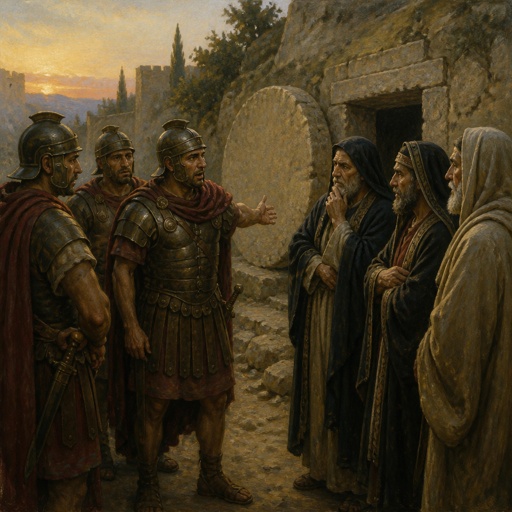
"Saying, Say ye, His disciples came by night, and stole him away while we slept." - Matthew 28:13

matthew 28:19

matthew 28:19

MATTHEW 28: 23

matthew 8:28

Matthew 23:28

Matthew 28:11

Matthew 23:28
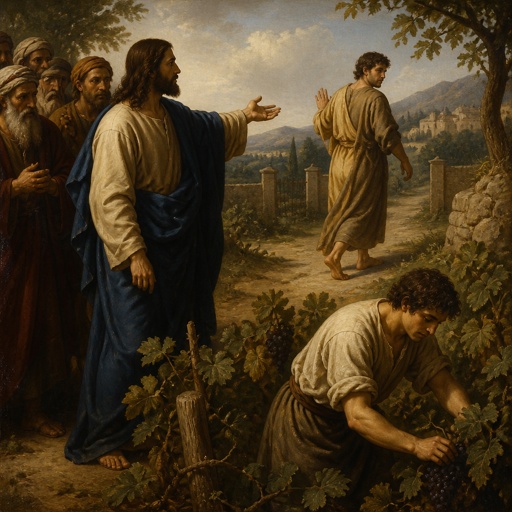
Matthew 21:28-32

Matthew 28:19-20

Matthew 28: 19-20

Matthew 28:19-20

Matthew 28:19-20

Matthew 24:28 - "For wheresoever the carcase is, there will the eagles be gathered together."

Genesis 28-13

Ezekiel 28:13

Matthew 13

Matthew 27:28 - "And they stripped him, and put on him a scarlet robe."

Matthew 8:13

Matthew 8:13

Matthew 8:13

Matthew 28:17 - "And when they saw him, they worshipped him: but some doubted."

Matthew 13

Mark 13:28-37

Mark 13:28-37

Matthew 28:4 - "And for fear of him the keepers did shake, and became as dead men."

Matthew 28:3 - "His countenance was like lightning, and his raiment white as snow:"