What does Matthew 14:1 mean?
“At that time Herod the tetrarch heard of the fame of Jesus,” — Matthew 14:1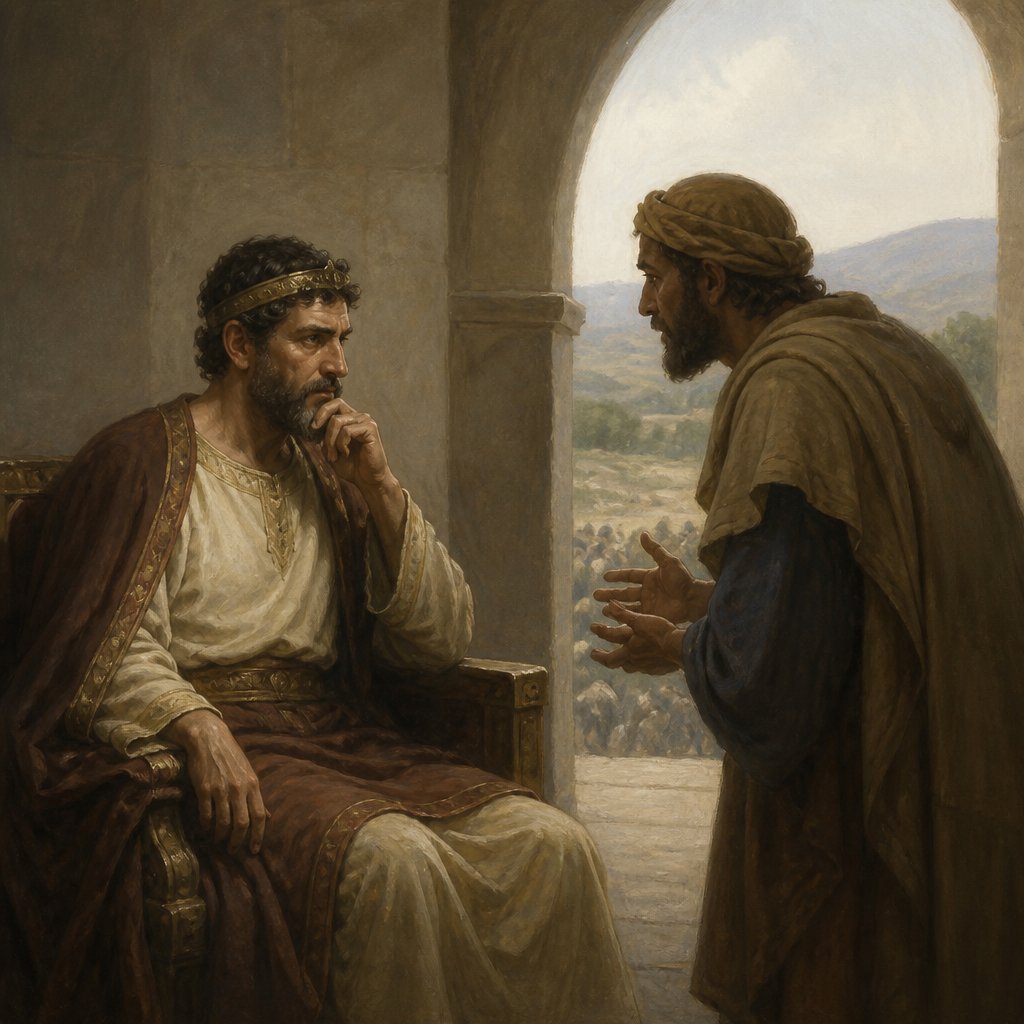
Matthew 14:1 in the King James Version (KJV) reads: "At that time Herod the tetrarch heard of the fame of Jesus,"
This verse from the book of Matthew sets the stage for an important moment in the life and ministry of Jesus Christ. It introduces the character of Herod the tetrarch and the impact that Jesus’ fame was having on the surrounding region.
First, let's delve into the context of this verse. Herod the tetrarch referred to in this verse is Herod Antipas, the son of Herod the Great. Herod Antipas was a ruler of Galilee and Perea during the time of Jesus' ministry. He was one of the sons who inherited a portion of his father's kingdom after Herod the Great’s death. It is important to note that Herod Antipas was not a true king, but rather a tetrarch, a title that denoted a ruler of a quarter of a region or kingdom.
The verse mentions that Herod the tetrarch heard of the fame of Jesus. This is significant because it shows the impact that Jesus' teachings, miracles, and the spreading of his fame were having on the surrounding area. Jesus' reputation was spreading, and people were beginning to take notice of his powerful ministry.
This sets the stage for the events that follow, including the beheading of John the Baptist and Jesus' subsequent feeding of the five thousand. The fame of Jesus and his miraculous works became a point of interest for Herod Antipas and ultimately played a role in the events that led to Jesus' crucifixion.
In terms of symbolism and themes, this verse illustrates the contrast between earthly power and authority and the divine authority of Jesus. Herod Antipas represented the political power of the time, ruling over a portion of the region with authority derived from his earthly position. On the other hand, Jesus, whose fame was spreading rapidly, demonstrated divine authority through his teachings, miracles, and the impact he had on the lives of those around him.
Additionally, this verse highlights the conflict that arises when earthly rulers feel threatened by the influence and authority of Jesus. Herod Antipas' reaction to Jesus’ fame ultimately leads to the unjust execution of John the Baptist and sets the stage for the ongoing conflict between earthly powers and the Kingdom of God.
In a broader sense, this verse speaks to the ongoing battle between secular authority and the authority of God. It is a reminder that the fame and influence of Jesus cannot be contained or controlled by earthly rulers, and that ultimately, divine authority will supersede all worldly powers.
This verse also sets the stage for the themes of persecution, sacrifice, and the ultimate triumph of God's plan. The persecution of John the Baptist and ultimately of Jesus himself serves as a reminder of the challenges and opposition that are often faced by those who seek to follow God's will. However, it also foreshadows the triumph of God's plan through Christ's resurrection and the establishment of his Kingdom.
In conclusion, Matthew 14:1 in the King James Version introduces an important moment in the life of Jesus and sets the stage for the conflict between earthly power and divine authority. It serves as a reminder of the ongoing battle between secular authority and the Kingdom of God, and the ultimate triumph of God's plan through the sacrifice and resurrection of Jesus Christ.
Get our apps


Artwork for Matthew 14:1

Matthew 14:1 - "At that time Herod the tetrarch heard of the fame of Jesus,"
"At that time Herod the tetrarch heard of the fame of Jesus," - Matthew 14:1

Matthew 5:14

Matthew 6:14

Matthew 5:14

Matthew 14:22-33

Matthew 1:14 - "And Azor begat Sadoc; and Sadoc begat Achim; and Achim begat Eliud;"

Matthew 7:13-14

Matthew 7:13-14

Matthew 7:13-14

Matthew 7:13-14

Matthew 7:13-14

Matthew 7:13-14

Matthew 7:13-14

Matthew 7:13-14

Matthew 7:13-14

Matthew 7:13-14

Matthew 7:13-14
"And Azor begat Sadoc; and Sadoc begat Achim; and Achim begat Eliud;" - Matthew 1:14
Matthew 14:27
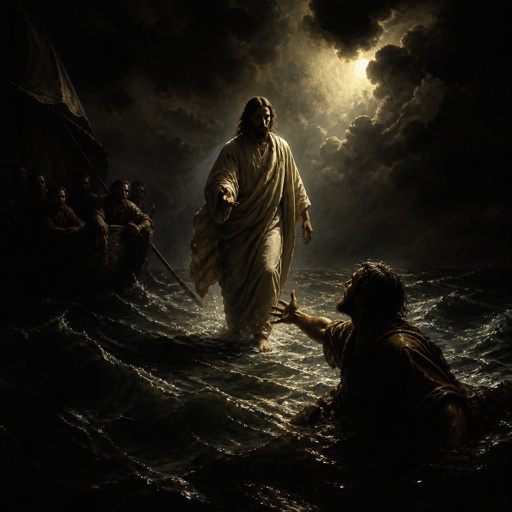
Matthew 14:27
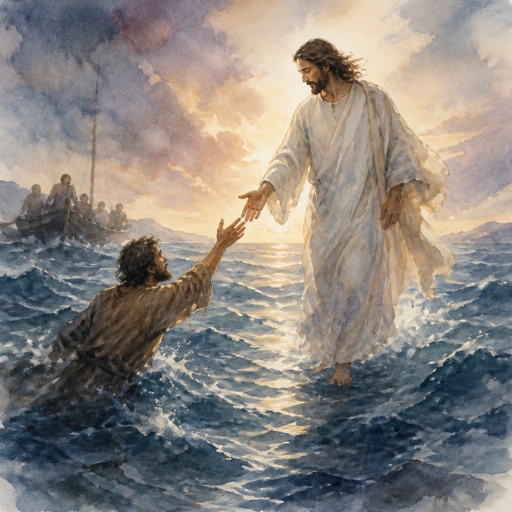
Matthew 14:27

matthew 2:14

Matthew 7:13-14

Matthew 7:13-14

Matthew 7:13-14

Matthew 7:13-14

Matthew 7:13-14

Matthew 7:13-14

Matthew 7:13-14