What does Matthew 14:12 mean?
“And his disciples came, and took up the body, and buried it, and went and told Jesus.” — Matthew 14:12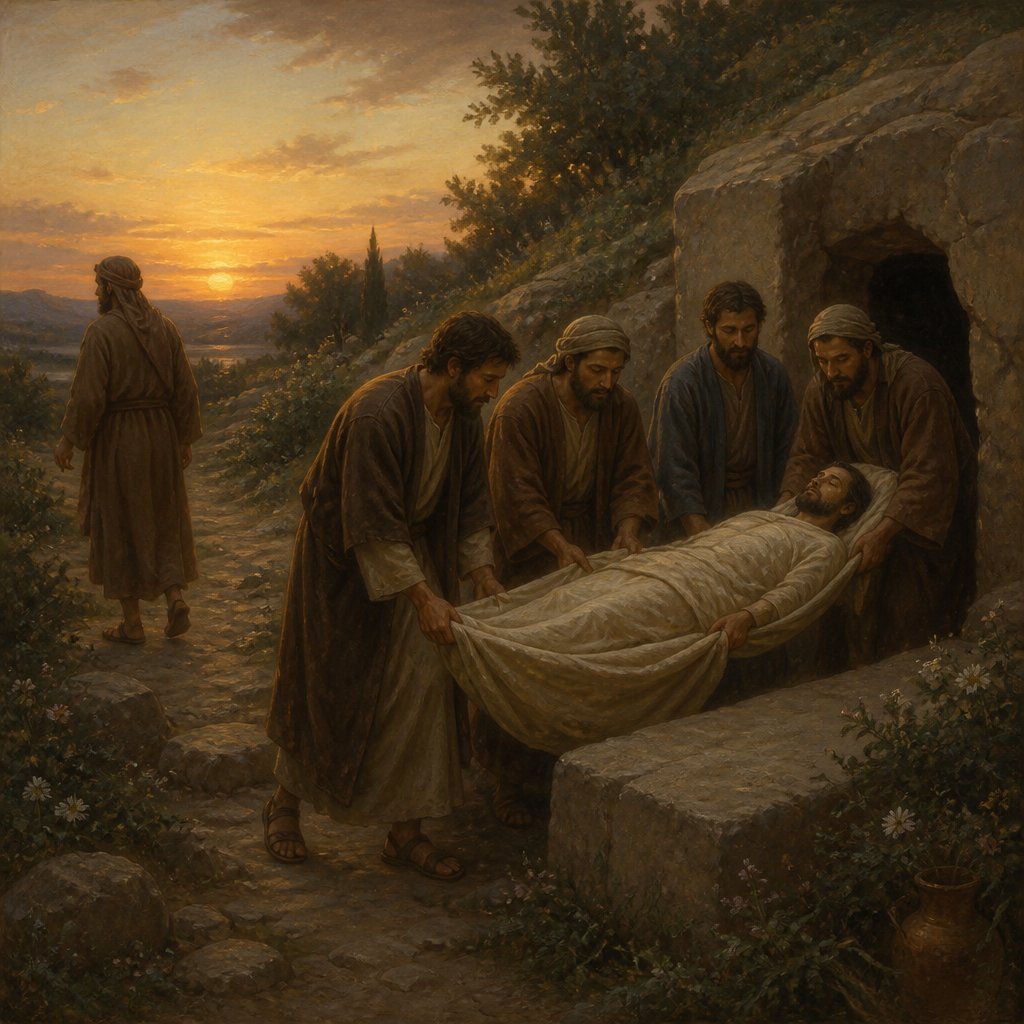
Matthew 14:12 in the King James Version reads, "And his disciples came, and took up the body, and buried it, and went and told Jesus." This verse is found in the larger context of the death of John the Baptist, which occurred at the hands of King Herod. The verse directly follows the account of Herod having John the Baptist beheaded after Herodias' daughter requested it as a reward for her dancing. The death of John the Baptist is a significant event in the New Testament, and this verse serves as a transition in the narrative, as well as a pivotal moment for Jesus and his disciples.
John the Baptist was a prominent figure in the Gospels, and his death had a profound impact on Jesus and his followers. The news of John's death would have been deeply distressing for Jesus, as John was not only his cousin but also a prophet and forerunner of the Messiah. Additionally, John was one of the few individuals who recognized Jesus as the Son of God before his ministry began. The fact that Jesus and John had a deep connection is evident in the Gospels, and John’s death undoubtedly caused Jesus great sorrow.
The disciples' action of taking up John's body, burying it, and then going to tell Jesus demonstrates their loyalty and commitment to both John and Jesus. The disciples' care in burying John's body shows respect for the dead, as burial was a sign of honor and was considered an important part of Jewish tradition. Additionally, by informing Jesus of John's death, the disciples show a deep understanding of their role as messengers and companions to Jesus.
This verse also serves as a reminder of the reality of death and the consequences of living in a fallen world. John the Baptist's tragic death is a result of his commitment to speaking truth to power and his unwavering devotion to God. Herod's choice to have John killed reflects the moral corruption and depravity of the ruling class, and the disciples' reaction underscores the weight of such actions.
The themes of loyalty, honor, and the divine plan are evident in this verse. The disciples' loyalty to both John and Jesus, as well as their commitment to carrying out the necessary funeral rites, reflects their dedication to their faith and their understanding of the importance of honoring the deceased. The impact of John's death on Jesus and his followers is a reminder of the sacrifices made in service to God and the perilous nature of living out one's faith in a fallen world. Furthermore, this verse also points to the larger theme of God's sovereignty and the fulfillment of his divine plan, as even in the face of tragedy, God’s purposes are ultimately accomplished.
Symbolically, this verse can be seen as a precursor to Jesus' own death and burial. The disciples' actions in burying John's body foreshadow the burial of Jesus after his crucifixion. Both deaths are unjust and a result of the sinful nature of humanity, yet they ultimately lead to the fulfillment of God's redemptive plan. The disciples' responsibility in burying John parallels their role in the burial of Jesus, and it highlights the profound impact of these deaths on Jesus and his followers.
In conclusion, Matthew 14:12 serves as a poignant and meaningful moment in the Gospel narrative. The death of John the Baptist, the disciples' response, and the impact on Jesus all contribute to the larger themes of sacrifice, loyalty, and the sovereignty of God. This verse is a reminder of the reality of suffering and loss, but it also points to the hope of redemption and the fulfillment of God's plan through the ultimate sacrifice of Jesus.
Get our apps


Artwork for Matthew 14:12
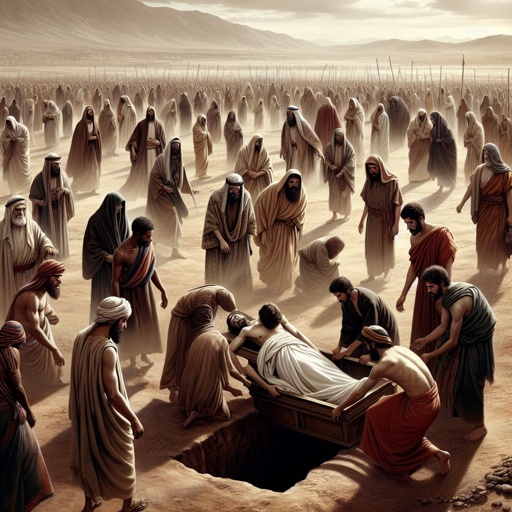
Matthew 14:12 - "And his disciples came, and took up the body, and buried it, and went and told Jesus."
"And his disciples came, and took up the body, and buried it, and went and told Jesus." - Matthew 14:12

Matthew 12:14 - "¶ Then the Pharisees went out, and held a council against him, how they might destroy him."
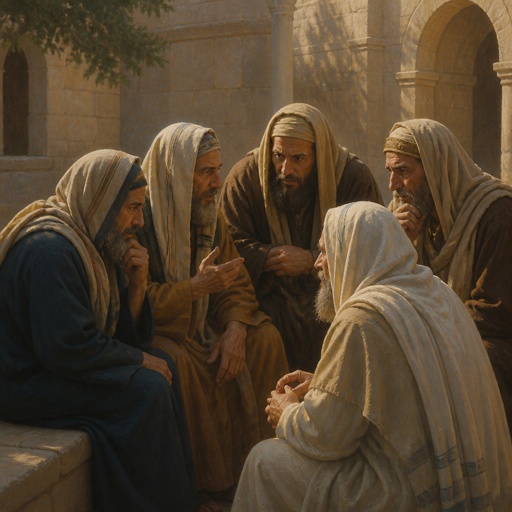
"¶ Then the Pharisees went out, and held a council against him, how they might destroy him." - Matthew 12:14

Matthew 7:13-14

Matthew 7:13-14

Matthew 7:13-14

Matthew 7:13-14

Matthew 7:13-14

Matthew 7:13-14

Matthew 7:13-14

Matthew 7:13-14

Matthew 7:13-14

Matthew 7:13-14

Matthew 7:13-14

Matthew 3:11-12

Matthew 5:14

Matthew 6:14

Matthew 5:14

Matthew 3:11-12

Matthew 14:27

Matthew 14:27
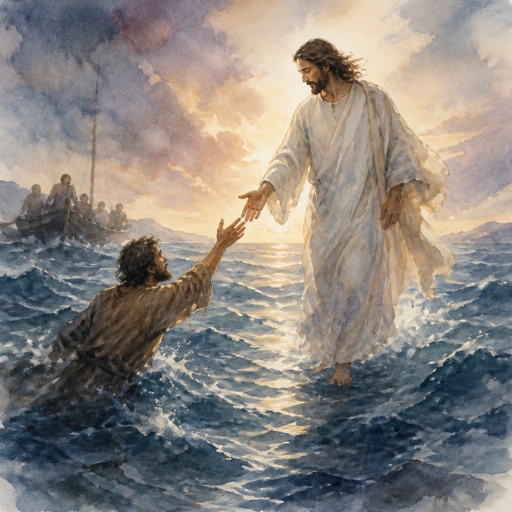
Matthew 14:27

matthew 2:14

Matthew 3:12

Matthew 3:12

Matthew 23:12

Matthew 7:12

Matthew 23:12

Matthew 7:12