What does Matthew 14:2 mean?
“And said unto his servants, This is John the Baptist; he is risen from the dead; and therefore mighty works do shew forth themselves in him.” — Matthew 14:2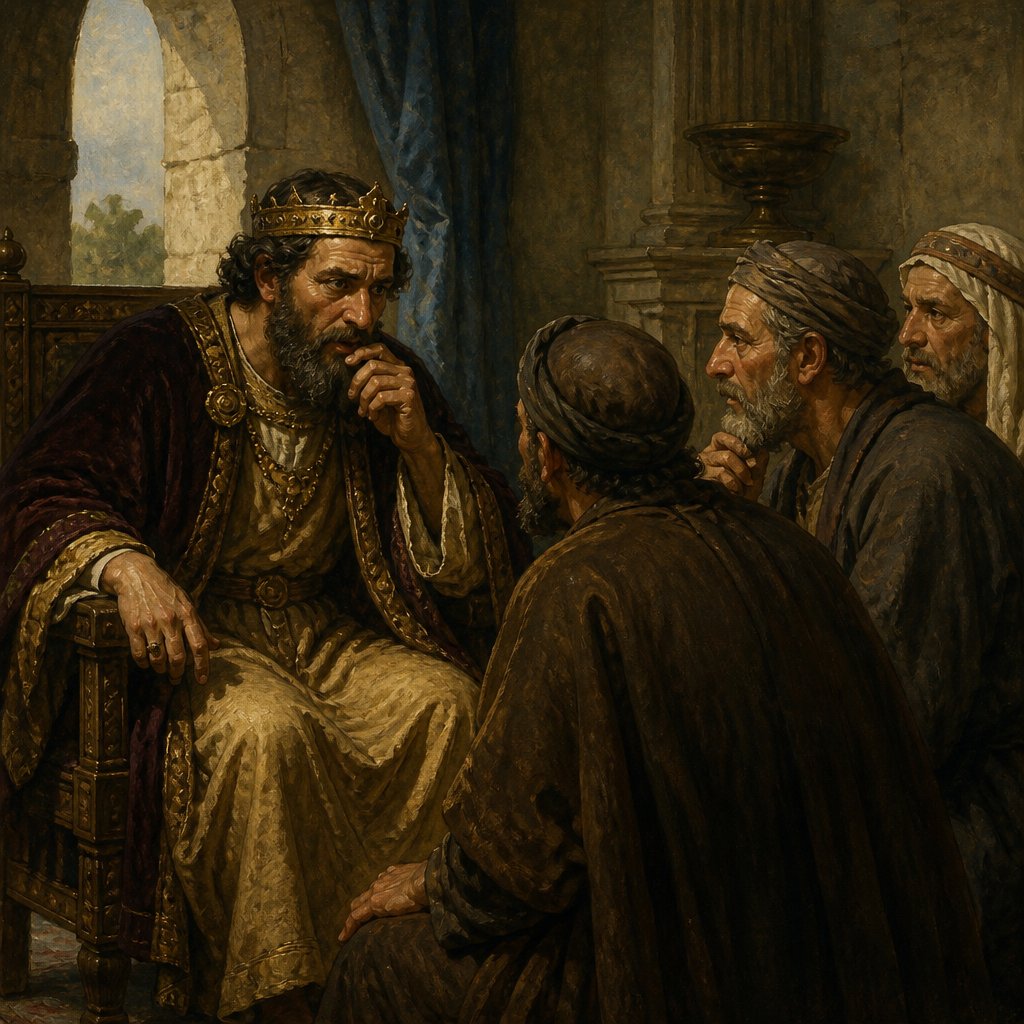
Matthew 14:2 (KJV) states, "And said unto his servants, This is John the Baptist; he is risen from the dead; and therefore mighty works do shew forth themselves in him."
This verse is a significant moment in the book of Matthew, as it marks the belief of King Herod that Jesus is actually John the Baptist resurrected. To fully understand the depth and meaning of this verse, it is crucial to examine the historical and cultural context, as well as the themes and symbolism present in this passage.
Historical and Cultural Context:
During the time of Jesus, Palestine was under Roman rule, and King Herod Antipas was the ruler of Galilee and Perea. It was in this political and social climate that Jesus began his ministry, performing miracles and preaching about the kingdom of God. John the Baptist, a prominent figure in the New Testament, had been arrested and subsequently beheaded by Herod Antipas due to John's vocal condemnation of Herod's marriage to Herodias, his brother's wife. The death of John the Baptist was a pivotal event in the Gospels, and it had a profound impact on the people of that time.
Themes:
The theme of resurrection is central to this verse. The belief in resurrection was a prevalent concept in Jewish and Christian thought, and the mention of John the Baptist being risen from the dead carries significant theological implications. This theme underscores the power of God and the belief that the dead will be raised to new life. Additionally, the theme of identity and recognition is also present in this verse. King Herod's proclamation that Jesus is John the Baptist resurrected reflects the confusion and speculation surrounding the identity of Jesus, as well as the impact of his miraculous works on those who witnessed them.
Symbolism:
The mention of "mighty works" in this verse symbolizes the miraculous nature of Jesus' ministry. The term "mighty works" is often used in the Gospels to describe the miracles performed by Jesus, such as healing the sick, raising the dead, and casting out demons. These acts of power and compassion are symbolic of God's kingdom breaking into the world, bringing restoration and hope to the people. The belief that John the Baptist's spirit lives on in Jesus also carries symbolic significance, as it emphasizes the continuity of God's work through his chosen messengers.
Commentary:
This verse serves as a poignant reminder of the impact that Jesus' ministry had on those around him. King Herod's belief that Jesus is John the Baptist raised from the dead is a testament to the profound effect of Jesus' teachings and miracles. It also foreshadows Jesus' own resurrection, which would become the central tenet of the Christian faith. The recognition of Jesus as a figure connected to John the Baptist speaks to the interconnectedness of the prophets and their role in preparing the way for the fulfillment of God's promises.
In conclusion, Matthew 14:2 (KJV) encapsulates the themes of resurrection, identity, and recognition within the broader narrative of Jesus' ministry. It invites readers to contemplate the significance of Jesus' miraculous works and the profound impact of his message on those who encountered him. This verse serves as a pivotal moment in the Gospel of Matthew, setting the stage for the unfolding of Jesus' ultimate purpose and mission on earth.
Get our apps


Artwork for Matthew 14:2

Matthew 14:2 - "And said unto his servants, This is John the Baptist; he is risen from the dead; and therefore mighty works do shew forth themselves in him."
"And said unto his servants, This is John the Baptist; he is risen from the dead; and therefore mighty works do shew forth themselves in him." - Matthew 14:2

matthew 2:14

Matthew 2:14 - "When he arose, he took the young child and his mother by night, and departed into Egypt:"

Matthew 7:13-14

Matthew 7:13-14

Matthew 7:13-14

Matthew 7:13-14

Matthew 7:13-14

Matthew 7:13-14

Matthew 7:13-14

Matthew 2:14 When he arose, he took the young Child and His mother by night and departed for Egypt,

Matthew 7:13-14

Matthew 7:13-14

Matthew 7:13-14

Matthew 7:13-14

Matthew 5:14

Matthew 6:14

Matthew 5:14
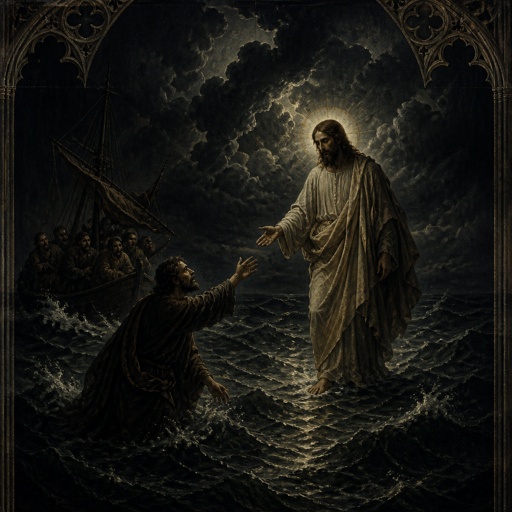
Matthew 14:27
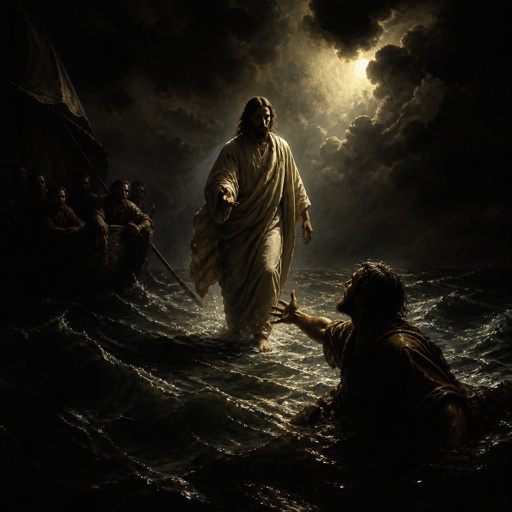
Matthew 14:27
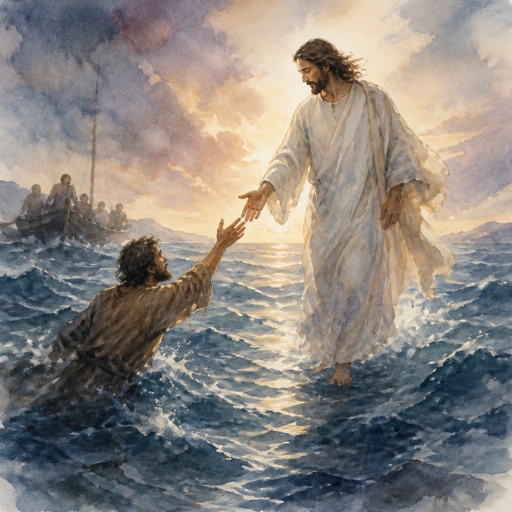
Matthew 14:27

Matthew 7:13-14

Matthew 7:13-14

Matthew 7:13-14

Matthew 7:13-14

Matthew 7:13-14

Matthew 7:13-14

Matthew 7:13-14

Matthew 14:22-33