What does Matthew 14:4 mean?
“For John said unto him, It is not lawful for thee to have her.” — Matthew 14:4
The biblical verse Matthew 14:4 from the King James Version (KJV) states, "For John said unto him, It is not lawful for thee to have her." This verse is a part of the larger narrative of the beheading of John the Baptist. To truly understand the meaning and significance of this verse, it is important to examine the context in which it appears, as well as the themes and symbolism present in this passage.
The context of this verse is set in the reign of King Herod Antipas, the ruler of Galilee and Perea during the time of Jesus. Herod had married Herodias, the former wife of his half-brother, Philip, which defied Jewish law and moral standards. John the Baptist, a prominent religious figure and prophet of the time, openly condemned this union, citing the unlawfulness of Herod's marriage to Herodias. This verse is part of a conversation between John the Baptist and Herod, where John calls out Herod's unlawful actions.
The themes present in this passage include obedience to God's law, the consequences of speaking out against injustice, and the moral responsibility of leaders. John the Baptist represents the voice of conscience and righteousness, standing up for the moral standards set by God. In contrast, Herod's actions reflect the corruption and moral degradation of a leader who chooses to prioritize his own desires over God's law. This narrative poses a stark contrast between the righteousness of John and the sinful nature of Herod, emphasizing the consequences of rejecting God's law and the moral decay that follows.
The symbolism in this verse is particularly potent, as it represents the conflict between truth and power. John the Baptist, as the voice of truth and righteousness, fearlessly speaks out against Herod's unlawful actions, despite the potential repercussions. Herod, on the other hand, symbolizes the misuse of power and the corrupting influence of worldly desires. The unlawful marriage of Herod and Herodias is a symbol of moral compromise and the disregard for God's law. Ultimately, this passage serves as a warning against the destructive consequences of yielding to temptation and prioritizing personal desires over obedience to God.
Furthermore, this narrative foreshadows the persecution and martyrdom of John the Baptist. His unwavering commitment to truth and righteousness ultimately leads to his imprisonment and eventual beheading at the request of Herodias' daughter. This tragic outcome underscores the theme of the cost of speaking out against injustice and the suffering that often accompanies the pursuit of righteousness.
In conclusion, Matthew 14:4 from the King James Version encapsulates a powerful and timeless message about the conflict between truth and power, the consequences of moral compromise, and the steadfast commitment to God's law. It serves as a poignant reminder of the importance of upholding moral standards and speaking out against injustice, even in the face of persecution and adversity. Through its themes and symbolism, this verse continues to resonate with believers, offering valuable insights into the nature of righteousness, the corrupting influence of power, and the enduring importance of adhering to God's law.
Get our apps


Artwork for Matthew 14:4

Matthew 14:4 - "For John said unto him, It is not lawful for thee to have her."

"For John said unto him, It is not lawful for thee to have her." - Matthew 14:4

Matthew 4:14 - "That it might be fulfilled which was spoken by Esaias the prophet, saying,"

"That it might be fulfilled which was spoken by Esaias the prophet, saying," - Matthew 4:14

Matthew 7:13-14

Matthew 7:13-14

Matthew 7:13-14

Matthew 7:13-14

Matthew 7:13-14

Matthew 7:13-14

Matthew 7:13-14

Matthew 7:13-14

Matthew 7:13-14

Matthew 7:13-14

Matthew 7:13-14

Matthew 5:14

Matthew 6:14

Matthew 5:14
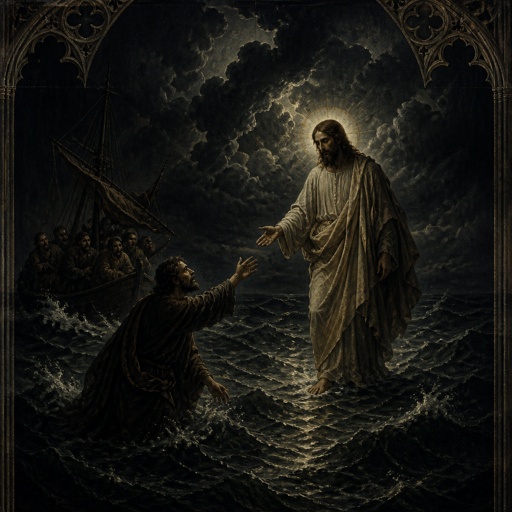
Matthew 14:27
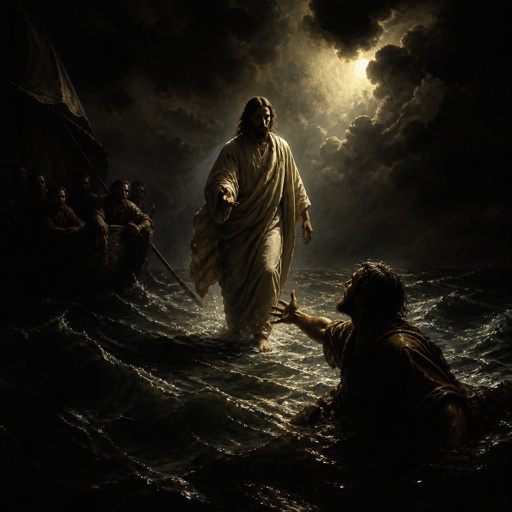
Matthew 14:27
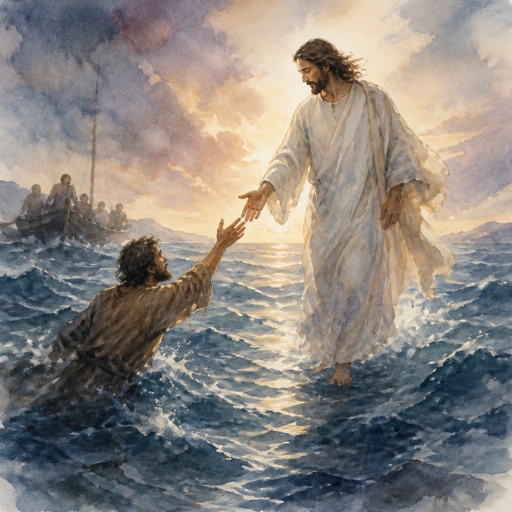
Matthew 14:27

matthew 2:14

Matthew 7:13-14

Matthew 7:13-14

Matthew 7:13-14

Matthew 7:13-14

Matthew 7:13-14

Matthew 7:13-14

Matthew 7:13-14

Matthew 14:22-33