What does Matthew 15:16 mean?
“And Jesus said, Are ye also yet without understanding?” — Matthew 15:16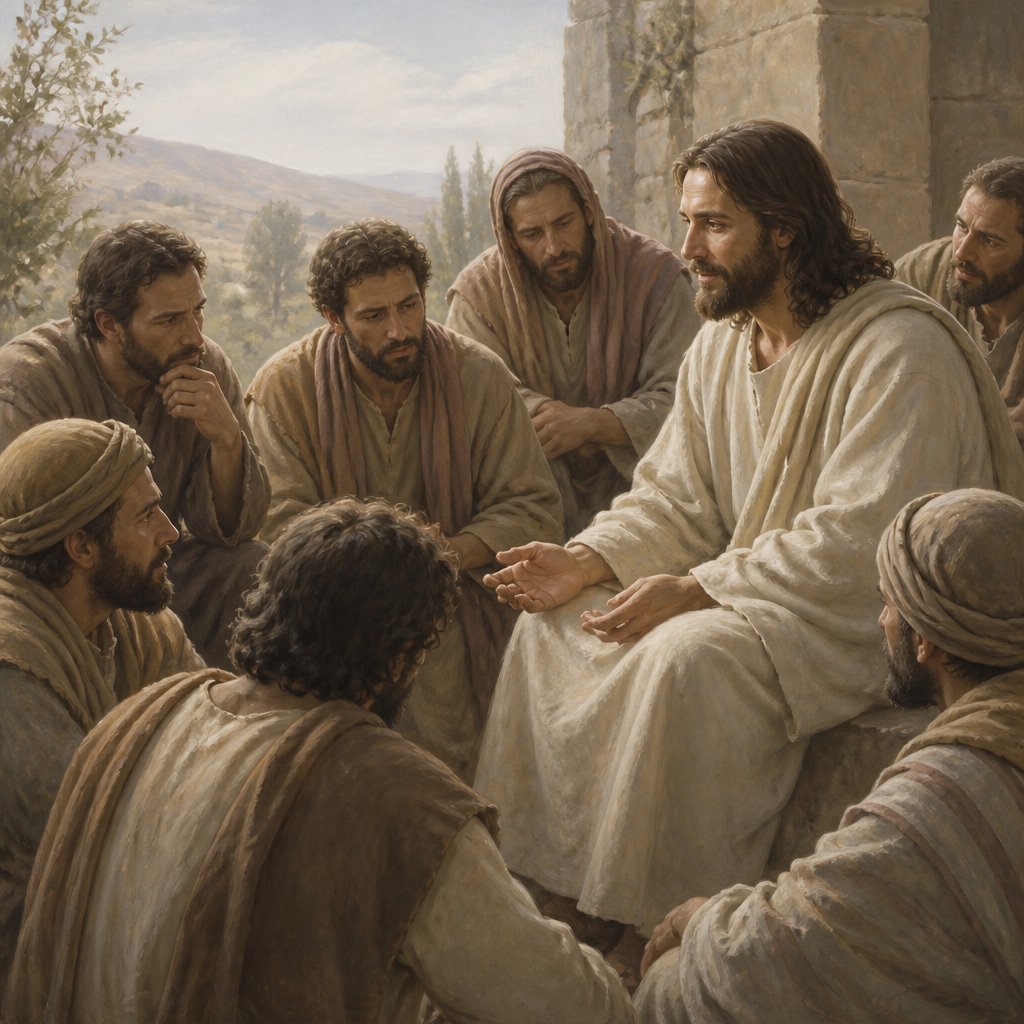
Matthew 15:16 in the King James Version of the Bible states, "And Jesus said, Are ye also yet without understanding?" This verse is part of a larger passage in which Jesus is addressing the Pharisees and scribes who had criticized him and his disciples for not following traditions of the elders, specifically the practice of ceremonial hand-washing before eating. Jesus responds by pointing out that it is not what goes into a person's mouth that defiles them, but what comes out of their mouth, specifically their words and actions.
The verse reflects a recurring theme in the Gospel of Matthew, which is the contrast between outward appearances and inner spiritual reality. Jesus often emphasizes the importance of the heart and inner purity over outward rituals and traditions. In this passage, he is challenging the Pharisees' legalistic approach to religion and urging them to focus on the more significant matters of justice, mercy, and faith.
The context of this verse is crucial to understanding its meaning. Jesus is addressing a specific situation in which religious leaders were criticizing him for not adhering to their traditions. However, the broader context of the Gospel of Matthew also sheds light on the significance of this verse. Throughout the Gospel, Jesus repeatedly challenges conventional religious practices and teachings, advocating for a deeper, more authentic expression of faith.
The symbolism of the verse lies in the metaphor of understanding. Jesus' question, "Are ye also yet without understanding?" is a rhetorical one, meant to call attention to the fact that the religious leaders have failed to grasp the true essence of his teachings. The idea of understanding goes beyond intellectual comprehension; it encompasses spiritual insight and discernment. In this context, Jesus is highlighting the importance of spiritual understanding and the need for a deeper insight into the principles of the kingdom of God.
The verse also carries a broader message about the nature of religious faith. It critiques the tendency to prioritize external observance of rituals and traditions over the internal transformation of the heart and mind. Jesus' teachings consistently emphasize the need for sincerity, humility, and compassion over legalistic adherence to rules and rituals.
In a larger theological sense, this verse can also be seen as a call to examine the true nature of faith and to prioritize spiritual understanding over rote adherence to traditions. It challenges believers to cultivate a deeper insight into the principles of the kingdom of God and to prioritize inner, spiritual transformation.
In conclusion, Matthew 15:16 is a profound and challenging verse that calls attention to the primacy of spiritual understanding and inner purity over outward religious practices. It is a reminder that true faith is not merely a matter of external observance but requires a deeper, more profound understanding of the principles of the kingdom of God. This verse is a call to examine the nature of our faith and to prioritize sincerity, humility, and compassion in our relationship with God and others.
Get our apps


Artwork for Matthew 15:16

Matthew 15:16 - "And Jesus said, Are ye also yet without understanding?"
"And Jesus said, Are ye also yet without understanding?" - Matthew 15:16

Matthew 16:15 - "He saith unto them, But whom say ye that I am?"
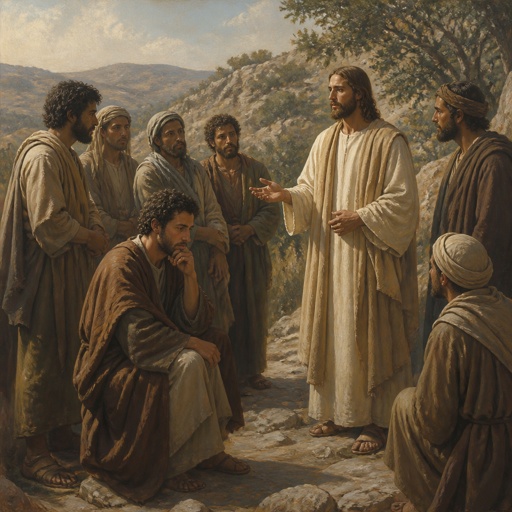
"He saith unto them, But whom say ye that I am?" - Matthew 16:15

matthew 15 matthew 15:10

Matthew 3:16

Matthew 3:16

Matthew 3:16

Matthew 16:25

Matthew 16:16 - "And Simon Peter answered and said, Thou art the Christ, the Son of the living God."

Matthew 26:15

Matthew 26:15

Matthew 15:23

Matthew 24:15

Matthew 15:15 - "Then answered Peter and said unto him, Declare unto us this parable."

Matthew 5:15

Matthew 15:23

Matthew 5:15

Matthew 17:14-15

Matthew 15 : 1-20

Matthew 19:16-17

Matthew 27:16 - "And they had then a notable prisoner, called Barabbas."

Genesis 15:16

Genesis 16:15

Matthew 12:16 - "And charged them that they should not make him known:"

Matthew 24:16 - "Then let them which be in Judaea flee into the mountains:"

Matthew 1:15 - "And Eliud begat Eleazar; and Eleazar begat Matthan; and Matthan begat Jacob;"

Matthew 15:35 - "And he commanded the multitude to sit down on the ground."

Matthew 13:16 - "But blessed are your eyes, for they see: and your ears, for they hear."

Romans 8:15-16