What does Matthew 15:36 mean?
“And he took the seven loaves and the fishes, and gave thanks, and brake them, and gave to his disciples, and the disciples to the multitude.” — Matthew 15:36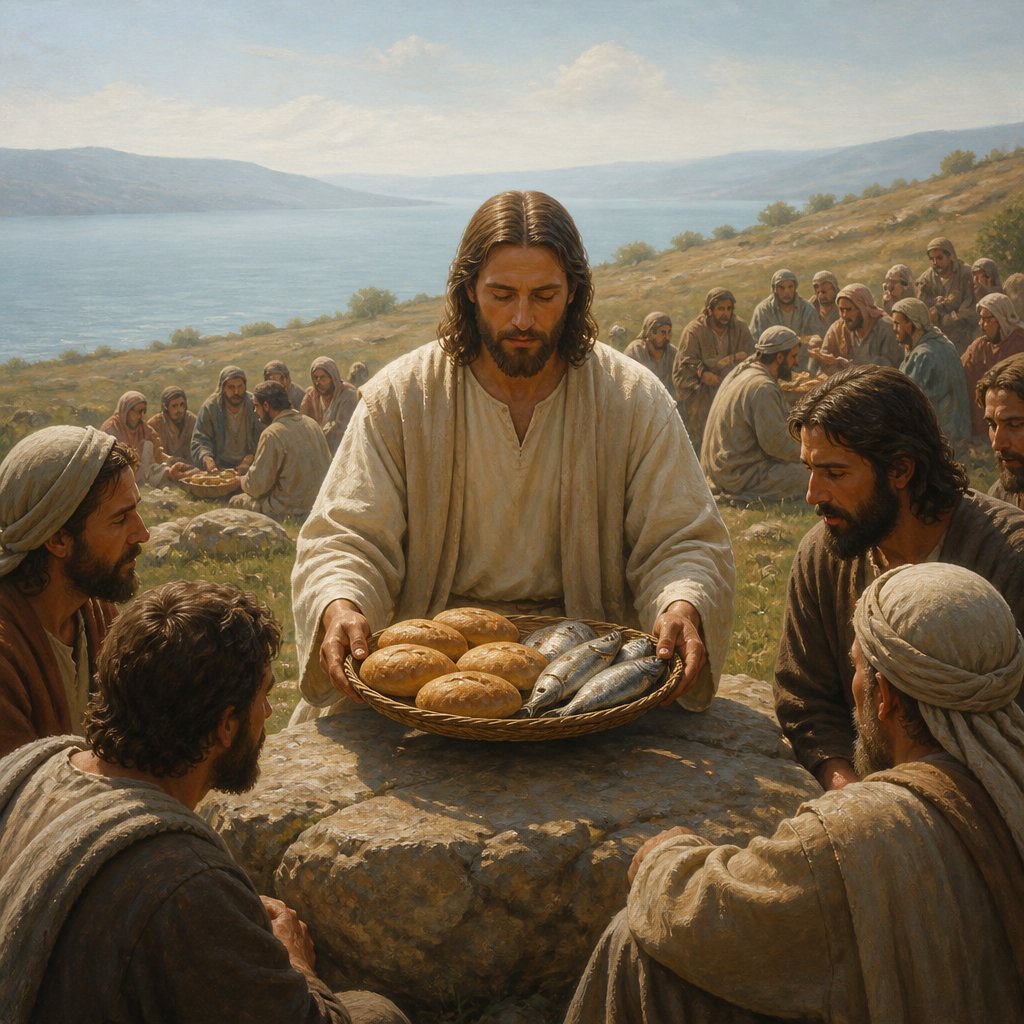
The Bible verse Matthew 15:36 from the King James Version (KJV) states, "And he took the seven loaves and the fishes, and gave thanks, and brake them, and gave to his disciples, and the disciples to the multitude." This verse is a part of the larger narrative of Jesus feeding the four thousand, which is a miracle performed by Jesus as recorded in the book of Matthew.
In order to fully understand the meaning of this verse, it is important to consider the context in which it is situated. In the verses leading up to Matthew 15:36, Jesus had been teaching and healing the sick in the region of Decapolis. As he continued to minister to the people, a large crowd gathered around him, and it became clear that they were hungry and in need of nourishment.
The disciples approached Jesus and expressed their concern about the lack of food for such a large crowd. In response, Jesus took seven loaves of bread and a few small fish, gave thanks, broke them, and then distributed the food to his disciples to give to the multitude. This resulted in all of the people being fed, with plenty of food left over.
One of the primary themes in this verse is the abundance that comes from trusting in God. Despite the seemingly limited resources available, Jesus was able to feed a multitude of people, emphasizing the miraculous power of God. This event serves as a powerful demonstration of God's ability to provide for his people in ways that surpass human understanding. It emphasizes the importance of having faith and trust in God's provision, even when circumstances appear bleak.
The act of breaking the loaves and fishes and distributing them to the disciples also carries significant symbolism. The breaking of the bread echoes the Last Supper, where Jesus broke bread and shared it with his disciples, symbolizing the sacrifice he would make for the salvation of humanity. This act also signifies the act of sharing and community, encouraging compassion and care for others.
Additionally, the act of giving thanks before breaking the bread and fish serves as a reminder of the importance of gratitude in our lives. Jesus' expression of gratitude before the miraculous feeding teaches us the significance of acknowledging and appreciating God's provision and blessings, even in challenging circumstances.
Furthermore, this verse also highlights the role of the disciples as instruments of God's grace. In giving the food to the disciples to distribute to the crowd, Jesus entrusted them with the task of serving others and meeting their needs. This emphasizes the importance of believers actively participating in God's work and serving others as an expression of their faith.
Overall, the verse Matthew 15:36 in the King James Version encapsulates important themes of abundance, trust in God's provision, gratitude, and the call to serve others. It serves as a powerful reminder of God's miraculous power and his ability to meet the needs of his people in unexpected ways. It also challenges believers to actively participate in God's work and to demonstrate compassion and care for others.
Get our apps


Artwork for Matthew 15:36

Matthew 15:36 - "And he took the seven loaves and the fishes, and gave thanks, and brake them, and gave to his disciples, and the disciples to the multitude."

Matthew 15:36-38 - Some loaves of bread and some pieces of fish - A warm and inviting color scheme - Large crowd sitting on the ground near mountain - People are eating and giving thanks
"And he took the seven loaves and the fishes, and gave thanks, and brake them, and gave to his disciples, and the disciples to the multitude." - Matthew 15:36

Matthew 12:36-37

matthew 12:36-37
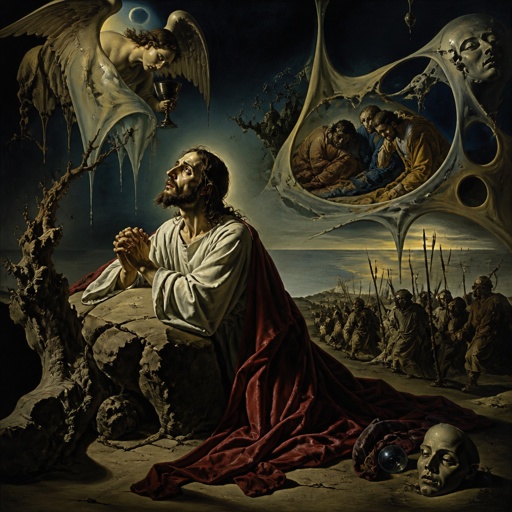
Matthew 26:36-46

Matthew 12:36-37

Matthew 27:36 - "And sitting down they watched him there;"

Matthew 22:36 - "Master, which is the great commandment in the law?"

1 Corinthians 15:36

Matthew 10:36 - "And a man's foes shall be they of his own household."

matthew 15 matthew 15:10

Matthew 24:36 - "¶ But of that day and hour knoweth no man, no, not the angels of heaven, but my Father only."

"And sitting down they watched him there;" - Matthew 27:36

Joshua 15:36 - "And Sharaim, and Adithaim, and Gederah, and Gederothaim; fourteen cities with their villages:"

Matthew 23:36 - "Verily I say unto you, All these things shall come upon this generation."

Job 36:15 - "He delivereth the poor in his affliction, and openeth their ears in oppression."

"Master, which is the great commandment in the law?" - Matthew 22:36

1 Corinthians 15:36 - "Thou fool, that which thou sowest is not quickened, except it die:"

Matthew 21:36 - "Again, he sent other servants more than the first: and they did unto them likewise."

Matthew 9:36 (KJV) 36 But when he saw the multitudes, he was moved with compassion on them, because they fainted, and were scattered abroad, as sheep having no shepherd.

Matthew 14:36 - "And besought him that they might only touch the hem of his garment: and as many as touched were made perfectly whole."

Matthew 5:36 - "Neither shalt thou swear by thy head, because thou canst not make one hair white or black."

"And a man's foes shall be they of his own household." - Matthew 10:36

Matthew 25:36 - "Naked, and ye clothed me: I was sick, and ye visited me: I was in prison, and ye came unto me."

Matthew 9:36 - "¶ But when he saw the multitudes, he was moved with compassion on them, because they fainted, and were scattered abroad, as sheep having no shepherd."

Matthew 12:36 - "But I say unto you, That every idle word that men shall speak, they shall give account thereof in the day of judgment."

Matthew 26:15

Matthew 26:15

Matthew 15:23