What does Matthew 16:12 mean?
“Then understood they how that he bade them not beware of the leaven of bread, but of the doctrine of the Pharisees and of the Sadducees.” — Matthew 16:12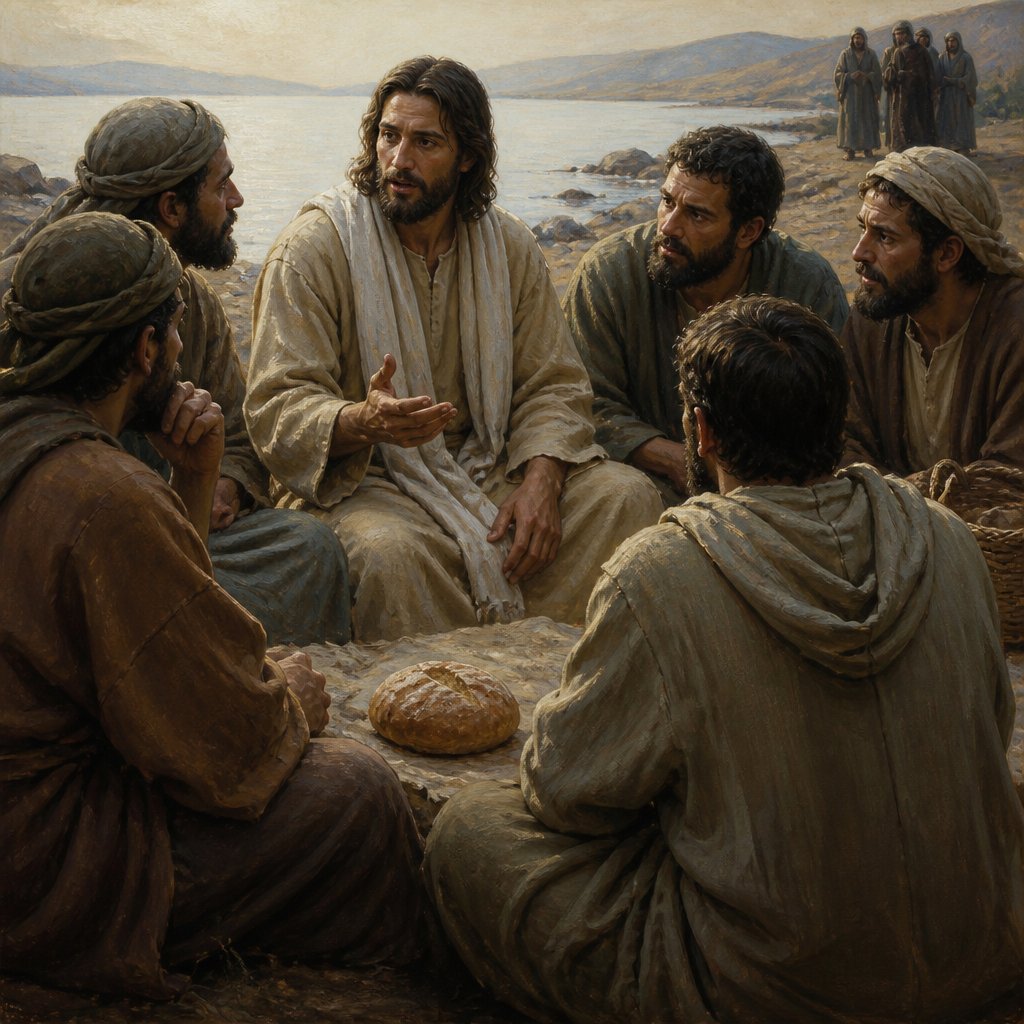
In order to provide a detailed and in-depth analysis of Matthew 16:12 in the King James Version of the Bible, it is important to examine the verse in its wider context and consider its themes, symbolism, and historical background.
The verse Matthew 16:12 in the King James Version states:
"Then understood they how that he bade them not beware of the leaven of bread, but of the doctrine of the Pharisees and of the Sadducees."
This verse comes from a passage in the Gospel of Matthew in which Jesus is warning his disciples about the teachings of the Pharisees and Sadducees. It is important to note that the Pharisees and Sadducees were two prominent Jewish sects at the time of Jesus, each with their own distinct beliefs and practices.
The use of the metaphor of "leaven" in this verse is particularly significant. In the Bible, leaven is often used symbolically to represent sin, corruption, or false teachings. In this context, Jesus is warning his disciples to be cautious of the influence of the Pharisees and Sadducees, whose teachings were considered to be corrupt and hypocritical.
The broader context of this passage in Matthew 16 is also essential for understanding the significance of this verse. In the preceding verses, Jesus has performed miracles and engaged in discussions with religious leaders, demonstrating his authority and knowledge. He then asks his disciples who they believe he is, to which Peter responds, "Thou art the Christ, the Son of the living God." It is after this pivotal moment that Jesus warns his disciples about the teachings of the religious authorities.
One of the key themes in this passage is the conflict between true faith and false teachings. Jesus is warning his disciples to be discerning and to not be swayed by the religious leaders who were promoting doctrines contrary to the truth. This theme of discernment and staying true to the teachings of Jesus is a recurring theme throughout the Gospels.
The historical and cultural context of this passage is also important to consider. During the time of Jesus, there was a great deal of religious and ideological diversity within Judaism. The Pharisees were known for their strict adherence to the law and traditions, while the Sadducees were a more aristocratic and conservative sect that rejected certain traditional Jewish beliefs, such as the belief in resurrection. Jesus' teachings often brought him into conflict with these religious authorities, as he challenged their interpretations of the law and their spiritual authority.
In addition to the historical context, the symbolic language used in this verse is rich with meaning. The metaphor of leaven, as mentioned earlier, conveys the idea of pervasive and corrupting influence. By warning his disciples to beware of the leaven of the Pharisees and Sadducees, Jesus is emphasizing the insidious nature of false teachings and the need for spiritual vigilance.
In summary, Matthew 16:12 in the King James Version of the Bible carries significant symbolic and thematic weight. It warns against the influence of false teachings and emphasizes the importance of discernment and fidelity to the true teachings of Jesus. This passage is rooted in the historical and cultural context of the time, and its message continues to resonate with believers today, urging them to remain steadfast in their faith and to be wary of any teachings that lead away from the truth.
Get our apps


Artwork for Matthew 16:12

Matthew 16:12 - "Then understood they how that he bade them not beware of the leaven of bread, but of the doctrine of the Pharisees and of the Sadducees."
"Then understood they how that he bade them not beware of the leaven of bread, but of the doctrine of the Pharisees and of the Sadducees." - Matthew 16:12

Matthew 12:16 - "And charged them that they should not make him known:"
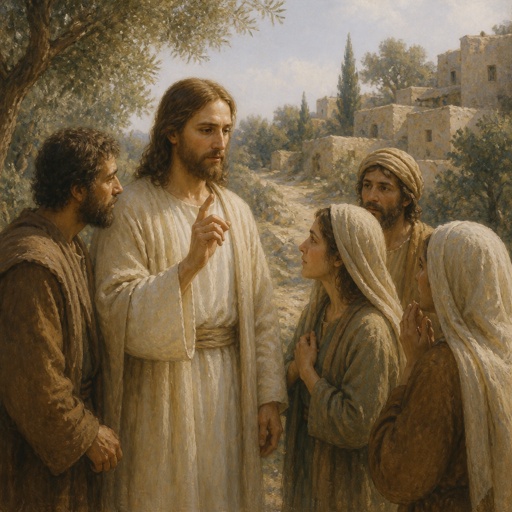
"And charged them that they should not make him known:" - Matthew 12:16

Matthew 3:16

Matthew 3:16

Matthew 3:16

Matthew 16:25

Matthew 16:16 - "And Simon Peter answered and said, Thou art the Christ, the Son of the living God."

Matthew 3:11-12

Matthew 3:11-12

Matthew 3:12

Matthew 3:12

Matthew 23:12

Matthew 7:12

Matthew 23:12

Matthew 21:12-16 - "Matthew 21:12-16 Jesus entered the temple courts and drove out all who were buying and selling there. He overturned the tables of the money changers and the benches of those selling doves. “It is written,” he said to them, “‘My house will be called a house of prayer,’ but you are making it ‘a den of robbers.’” The blind and the lame came to him at the temple, and he healed them. But when the chief priests and the teachers of the law saw the wonderful things he did and the children shouting in the temple courts, “Hosanna to the Son of David,” they were indignant. "Do you hear what these children are saying?" they asked him. "Yes," replied Jesus, "have you never read, "'From the lips of children and infants you, Lord, have called forth your praise'?""

Matthew 7:12

Matthew 3:12

Matthew 19:16-17

Matthew 27:16 - "And they had then a notable prisoner, called Barabbas."

Matthew 2:1-12

Matthew 12:36-37

Matthew 5:1 a 12

matthew 12:36-37

Matthew 5:8-12

Matthew 2:1-12

Matthew 2:1-12

Matthew 24:16 - "Then let them which be in Judaea flee into the mountains:"

Matthew 5:1 a 12