What does Matthew 16:15 mean?
“He saith unto them, But whom say ye that I am?” — Matthew 16:15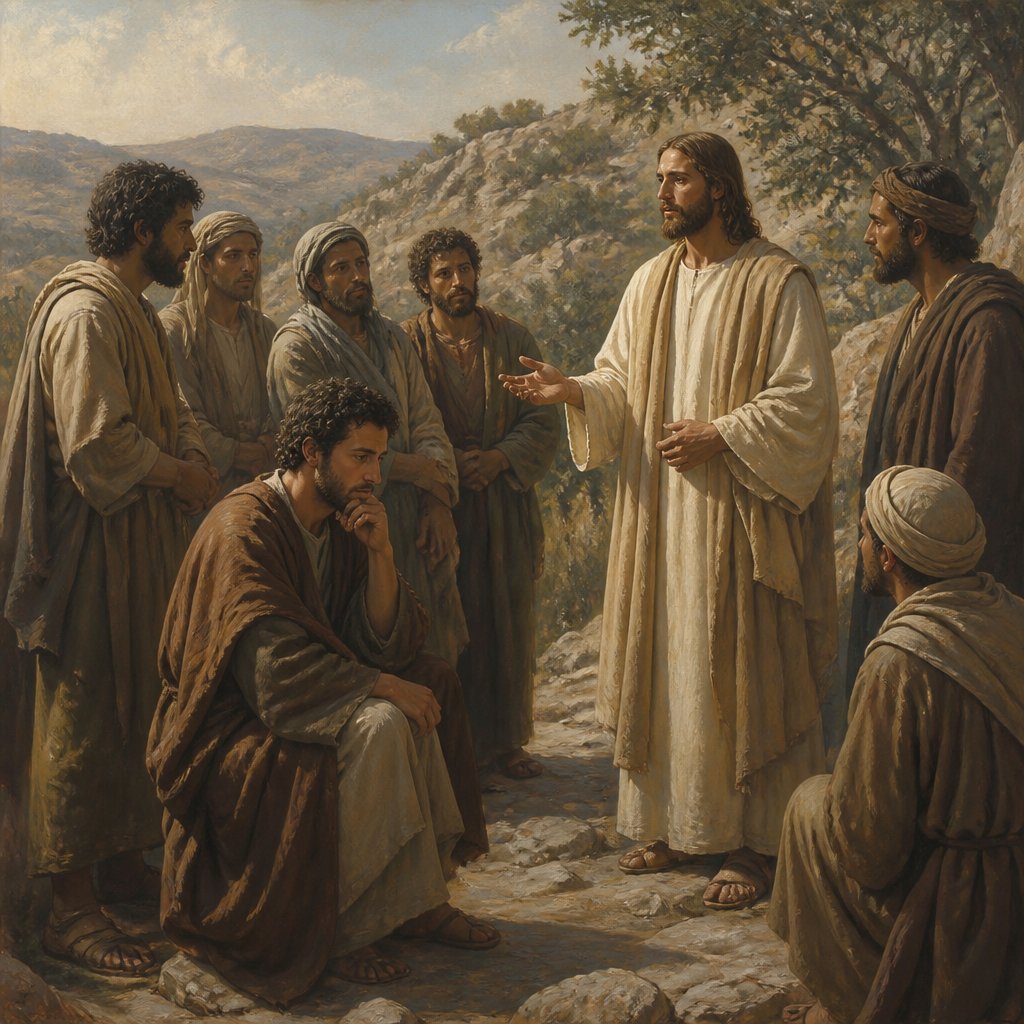
Matthew 16:15 (KJV) says, "He saith unto them, But whom say ye that I am?" This verse is part of a larger passage in which Jesus asks his disciples who people say he is, and then follows up by asking for their own opinions. This verse is a pivotal moment in the New Testament, as it reveals the depth of the disciples' understanding of Jesus and their faith in him as the Messiah.
This passage takes place in the region of Caesarea Philippi, where Jesus and his disciples have retreated for some quiet time away from the crowds. Jesus begins by asking his disciples who others say he is, and they respond with the common beliefs of the people—some say he is John the Baptist, some say Elijah, and still others say Jeremiah or one of the prophets. Jesus then turns the question to his disciples and asks them who they believe he is. It is at this point that Peter responds with his famous declaration that Jesus is the Messiah, the Son of the living God.
The context of this passage is important in understanding its significance. The region of Caesarea Philippi was known for being a center of pagan worship, with a large temple dedicated to the god Pan. By asking this question in such a place, Jesus is making a clear statement about his identity and purpose. He is not just another prophet or teacher; he is the long-awaited Savior and the Son of God.
The theme of this passage centers around the identity of Jesus and the faith of his followers. Jesus is challenging his disciples to truly understand who he is and what his mission on earth entails. This theme is of utmost importance in the Gospel of Matthew, as it emphasizes Jesus as the fulfillment of Old Testament prophecies and the long-awaited Messiah.
The symbolism in this verse is profound. In asking his disciples who they believe he is, Jesus is pointing to the necessity of personal faith and conviction. It is not enough to simply repeat what others say about him; each person must come to their own understanding of Jesus and his role in their lives. This verse also emphasizes the authority and divinity of Jesus, as Peter's declaration is met with Jesus affirming that this truth was not revealed to him by man, but by God himself.
The significance of this passage cannot be overstated. Peter's confession of faith is a turning point in the disciples' relationship with Jesus. From this point on, Jesus begins to prepare them for his impending death and resurrection, and he starts to lay the foundation for the establishment of the church. By proclaiming Jesus as the Messiah, Peter becomes the rock upon which Christ will build his church, a declaration that will carry great weight in the future.
In summary, Matthew 16:15 is a crucial moment in the New Testament, as it reveals the disciples' understanding of Jesus as the Messiah and Son of God. It emphasizes the importance of personal faith and conviction in one's relationship with Jesus, and it sets the stage for the establishment of the Christian church. This verse is a powerful reminder of Jesus's divinity and authority, and it challenges us to consider our own beliefs about who he is and what he means to us.
Get our apps


Artwork for Matthew 16:15

Matthew 16:15 - "He saith unto them, But whom say ye that I am?"
"He saith unto them, But whom say ye that I am?" - Matthew 16:15

Matthew 15:16 - "And Jesus said, Are ye also yet without understanding?"
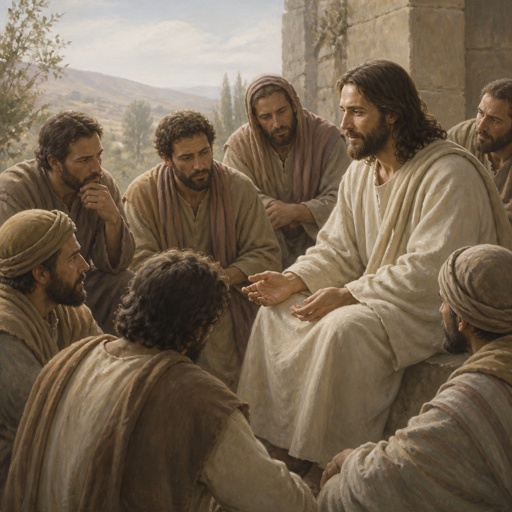
"And Jesus said, Are ye also yet without understanding?" - Matthew 15:16

matthew 15 matthew 15:10

Matthew 3:16

Matthew 3:16

Matthew 3:16

Matthew 16:25

Matthew 26:15

Matthew 26:15

Matthew 15:23

Matthew 24:15

Matthew 16:16 - "And Simon Peter answered and said, Thou art the Christ, the Son of the living God."

Matthew 15:15 - "Then answered Peter and said unto him, Declare unto us this parable."

Matthew 5:15

Matthew 15:23

Matthew 5:15

Matthew 17:14-15

Matthew 15 : 1-20

Matthew 19:16-17

Matthew 27:16 - "And they had then a notable prisoner, called Barabbas."

Genesis 15:16

Genesis 16:15

Matthew 12:16 - "And charged them that they should not make him known:"

Matthew 24:16 - "Then let them which be in Judaea flee into the mountains:"

Matthew 1:15 - "And Eliud begat Eleazar; and Eleazar begat Matthan; and Matthan begat Jacob;"

Matthew 15:35 - "And he commanded the multitude to sit down on the ground."

Matthew 13:16 - "But blessed are your eyes, for they see: and your ears, for they hear."

Romans 8:15-16