What does Matthew 17:10 mean?
“And his disciples asked him, saying, Why then say the scribes that Elias must first come?” — Matthew 17:10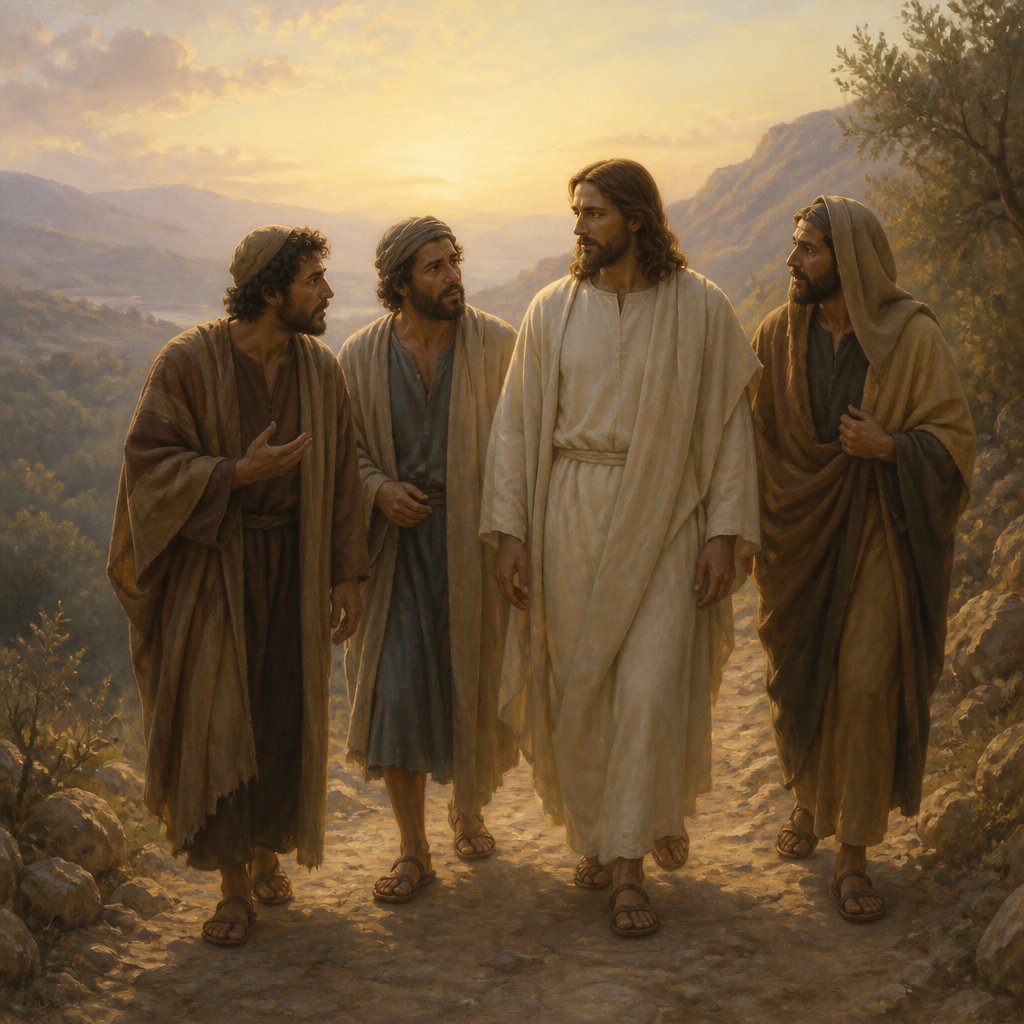
Matthew 17:10 (KJV) says, "And his disciples asked him, saying, Why then say the scribes that Elias must first come?" This verse occurs right after the Transfiguration, which is the event where Jesus' appearance changed and he became radiant and was seen conversing with Moses and Elijah. The disciples are confused because they have just witnessed this incredible event, and they are trying to reconcile it with the teachings of the scribes, who had said that Elijah must come before the Messiah.
This verse is significant because it demonstrates the disciples' confusion and the disconnect between their understanding of the scriptures and what they have just witnessed. The disciples are grappling with the idea that although Jesus is the Messiah, Elijah has not yet come, as the scribes had taught. This sets the stage for Jesus to clarify the role of John the Baptist in the coming of Elijah before his second coming.
The context of this verse is important for understanding its meaning. It comes immediately after the Transfiguration, where Jesus took Peter, James, and John up a high mountain and was transfigured before them, appearing with Moses and Elijah. This experience left the disciples in awe and confusion, as they grappled with the significance of what they had just witnessed.
The disciples' question reflects their struggle to make sense of the conflicting teachings they had received from the scribes and their direct experience of seeing Jesus transfigured. It also sets the stage for Jesus to explain the role of John the Baptist, who came in the spirit and power of Elijah, preparing the way for the Messiah.
This verse also touches on the theme of prophecy and fulfillment. The disciples are questioning the discrepancy between what they have experienced and what they have been taught about the coming of Elijah. This raises questions about how prophecy is interpreted and fulfilled, and Jesus' response provides clarity on this issue.
The symbolism in this verse lies in the contrast between the disciples' confusion and Jesus' subsequent explanation. The disciples represent the struggle to understand and interpret the scriptures, while Jesus embodies the fulfillment and clarification of prophecy. The appearance of Moses and Elijah at the Transfiguration further symbolizes the continuity and fulfillment of the Old Testament prophecies in Jesus.
The verse also highlights the theme of the coming of the Messiah. The disciples' question shows their eagerness for the fulfillment of prophecy and the establishment of God's kingdom. Jesus' response affirms his identity as the long-awaited Messiah and clarifies the role of John the Baptist in preparing the way for his coming.
In conclusion, Matthew 17:10 is a significant verse that captures the disciples' confusion in reconciling their experiences with the teachings they have received. It sets the stage for Jesus to clarify the role of John the Baptist in fulfilling the prophecy of Elijah's coming and underscores the themes of prophecy, fulfillment, and the coming of the Messiah. The verse also carries rich symbolism that further emphasizes these themes and the continuity of God's plan throughout history.
Get our apps


Artwork for Matthew 17:10

Matthew 17:10 - "And his disciples asked him, saying, Why then say the scribes that Elias must first come?"
"And his disciples asked him, saying, Why then say the scribes that Elias must first come?" - Matthew 17:10

Matthew 10:17 - "But beware of men: for they will deliver you up to the councils, and they will scourge you in their synagogues;"
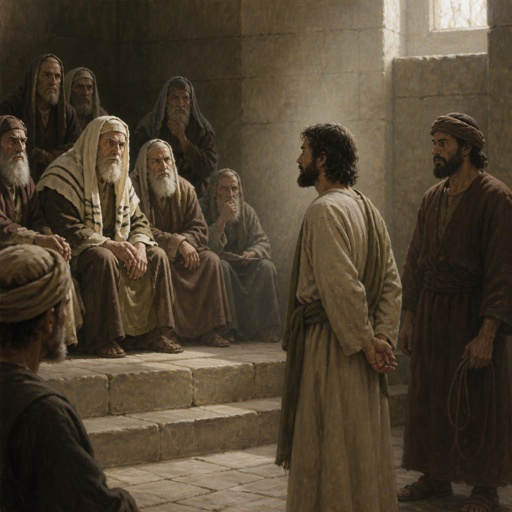
"But beware of men: for they will deliver you up to the councils, and they will scourge you in their synagogues;" - Matthew 10:17

Matthew 17:17-18

Matthew 17:17-18

Matthew 6:17

Matthew 17:20

Matthew 17:20

matthew 15 matthew 15:10

Matthew 19:16-17

Matthew 6:17-18

Matthew 17:14-21

Matthew 17:14-15

Matthew 3:13-17

Romans 10:17

Romans 10:17

Romans 10:17

Matthew 1:10

Matthew 18:10

Matthew 1:10

Romans 10:17

Romans 10:17

Romans 10:17

Luke 10:17-19

Matthew 4:10

Matthew 2:17 - "Then was fulfilled that which was spoken by Jeremy the prophet, saying,"

Matthew 17:21 - "Howbeit this kind goeth not out but by prayer and fasting."

Matthew 10:3 - "Philip, and Bartholomew; Thomas, and Matthew the publican; James the son of Alphaeus, and Lebbaeus, whose surname was Thaddaeus;"

for the workman is worthy his meat Matthew 10:10