What does Matthew 2:16 mean?
“Then Herod, when he saw that he was mocked of the wise men, was exceeding wroth, and sent forth, and slew all the children that were in Bethlehem, and in all the coasts thereof, from two years old and under, according to the time which he had diligently enquired of the wise men.” — Matthew 2:16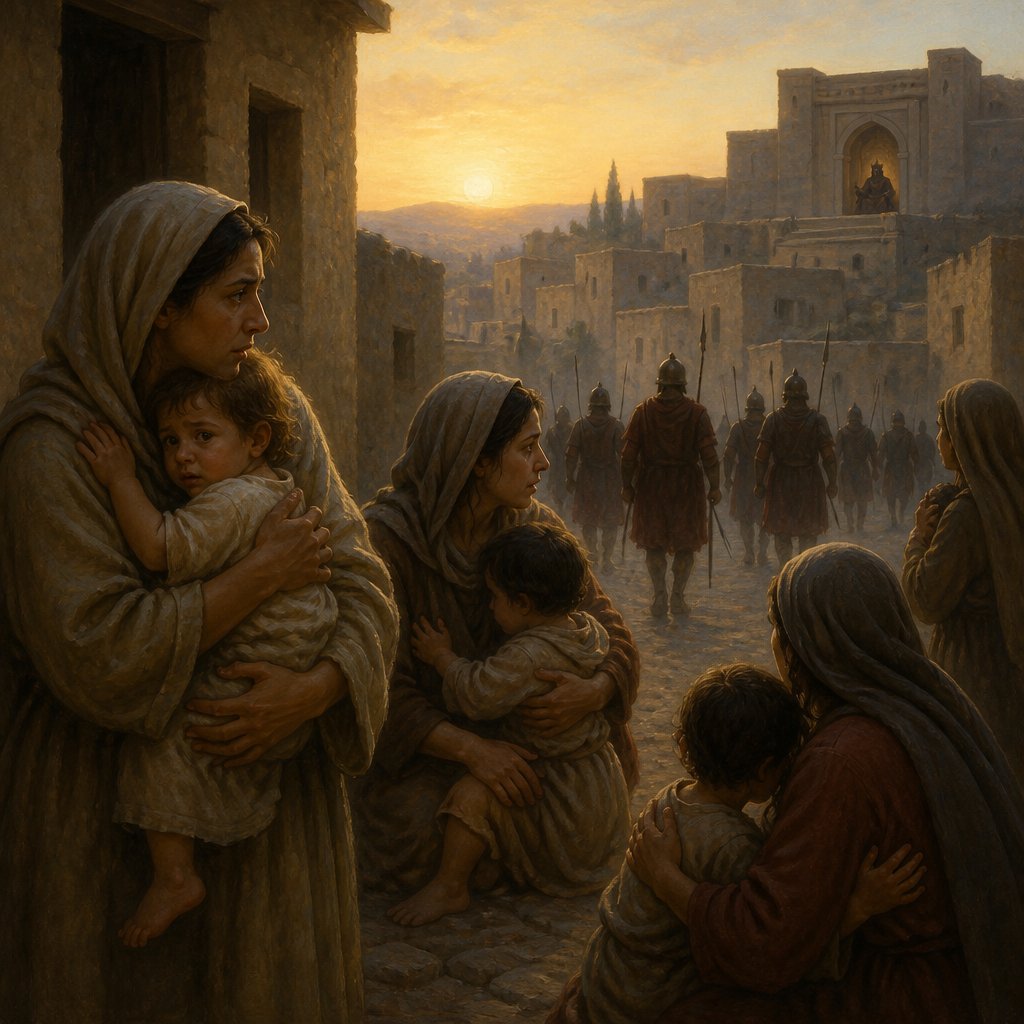
Matthew 2:16 (KJV) states: "Then Herod, when he saw that he was mocked of the wise men, was exceeding wroth, and sent forth, and slew all the children that were in Bethlehem, and in all the coasts thereof, from two years old and under, according to the time which he had diligently inquired of the wise men."
This verse from the Gospel of Matthew speaks to a horrific event - the massacre of innocent children in Bethlehem by King Herod. The context of this verse is crucial for understanding its significance. It takes place shortly after the birth of Jesus, when wise men from the east come to Jerusalem in search of the newborn King of the Jews. Herod, who was the ruler of Judea under Roman authority, became troubled by this news, as he saw Jesus as a threat to his own power and authority.
The verse reflects an act of extreme brutality and cruelty by Herod. Out of fear and jealousy, he orders the slaughter of all the male children in Bethlehem who were two years old or younger. This horrific act exemplifies the violent and oppressive nature of Herod's reign, as he sought to eliminate any potential rival to his throne, even at the cost of innocent lives.
The massacre of the innocents also has symbolic and theological significance within the Christian tradition. It is often viewed as one of the earliest instances of persecution against Christians, as Herod sought to remove any potential threat to his rule, including the infant Jesus, who was seen as a potential threat.
The theme of suffering and persecution is central to this passage. The innocent children of Bethlehem become the victims of Herod's ruthless pursuit of power, reflecting the broader theme of the vulnerability of the innocent in the face of human cruelty and injustice. This theme resonates with many other biblical stories that speak to the suffering of the innocent, underscoring the fallen nature of humanity and the need for divine intervention and redemption.
Moreover, this event also foreshadows the suffering and persecution that Jesus himself would endure later in his life. The parallel between the massacre of the innocents and the crucifixion of Jesus underscores the theme of sacrifice and redemption, as Jesus came into the world to bear the sins of humanity and offer salvation to all who believe in him.
The verse also raises important questions about the nature of evil and the role of free will in human actions. Herod's decision to order the massacre reflects the dark depths of human depravity and the destructive consequences of unchecked power and ambition. It serves as a sobering reminder of the potential for evil that exists within the human heart and the need for moral accountability and ethical behavior.
In conclusion, Matthew 2:16 (KJV) is a chilling and tragic passage that speaks to the suffering of the innocent and the destructive nature of human sin. It reminds us of the vulnerability of the innocent in the face of human cruelty and power, while also pointing to the redemptive work of Jesus Christ, who came into the world to bring hope and salvation to all who believe in him. The passage serves as a sobering and thought-provoking reflection on the complex nature of human existence and the imperative of seeking justice, mercy, and righteousness in the world.
Get our apps


Artwork for Matthew 2:16

Matthew 2:16 - "¶ Then Herod, when he saw that he was mocked of the wise men, was exceeding wroth, and sent forth, and slew all the children that were in Bethlehem, and in all the coasts thereof, from two years old and under, according to the time which he had diligently enquired of the wise men."
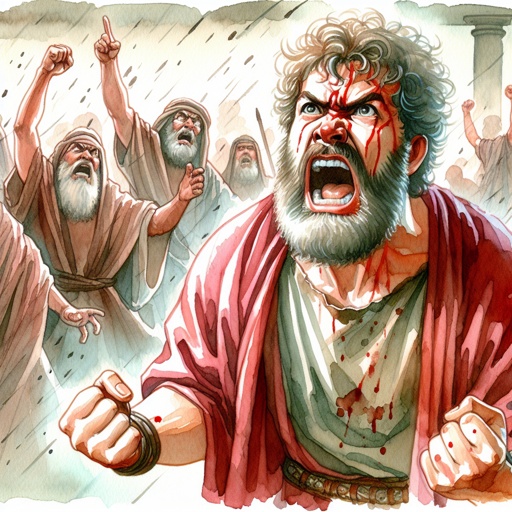
Matthew 2:16 Then Herod, when he saw that he was deceived by the wise men, was exceedingly angry; and he sent forth and put to death all the male children who were in Bethlehem and in all its districts, from two years old and under, according to the time which he had determined from the wise men.
"¶ Then Herod, when he saw that he was mocked of the wise men, was exceeding wroth, and sent forth, and slew all the children that were in Bethlehem, and in all the coasts thereof, from two years old and under, according to the time which he had diligently enquired of the wise men." - Matthew 2:16

Matthew 16:2 - "He answered and said unto them, When it is evening, ye say, It will be fair weather: for the sky is red."

Matthew 3:16

Matthew 3:16

Matthew 3:16

Matthew 16:25

Matthew 16:16 - "And Simon Peter answered and said, Thou art the Christ, the Son of the living God."

Matthew 19:16-17

Matthew 27:16 - "And they had then a notable prisoner, called Barabbas."

Matthew 12:16 - "And charged them that they should not make him known:"

Matthew 24:16 - "Then let them which be in Judaea flee into the mountains:"

Matthew 16:2-3 - "He answered them, “When it is evening, you say, ‘It will be fair weather, for the sky is red.’ And in the morning, ‘It will be stormy today, for the sky is red and threatening.’ You know how to interpret the appearance of the sky, but you cannot interpret the signs of the times."

"He answered and said unto them, When it is evening, ye say, It will be fair weather: for the sky is red." - Matthew 16:2

Matthew 13:16 - "But blessed are your eyes, for they see: and your ears, for they hear."

Matthew 1:1-16 Jesus geneology.
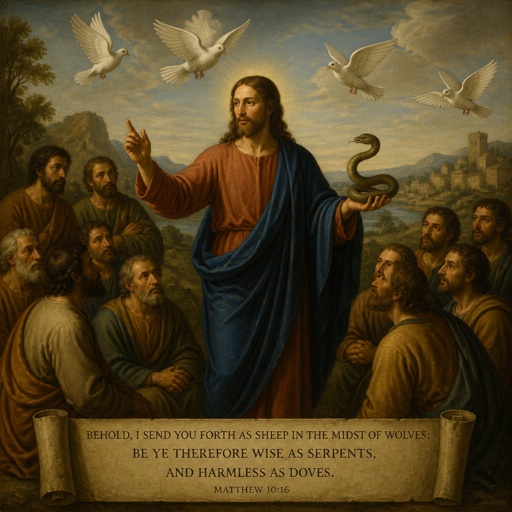
wise as a serpent as innocent as doves Matthew 10:1-16

Matthew 26:16 - "And from that time he sought opportunity to betray him."

Matthew 15:16 - "And Jesus said, Are ye also yet without understanding?"

Matthew 17:16 - "And I brought him to thy disciples, and they could not cure him."

Matthew 16:20 - "Then charged he his disciples that they should tell no man that he was Jesus the Christ."

Matthew 14:16 - "But Jesus said unto them, They need not depart; give ye them to eat."

Matthew 16:7 - "And they reasoned among themselves, saying, It is because we have taken no bread."

Matthew 16:15 - "He saith unto them, But whom say ye that I am?"

Matthew 16:10 - "Neither the seven loaves of the four thousand, and how many baskets ye took up?"

Matthew 16:12 - "Then understood they how that he bade them not beware of the leaven of bread, but of the doctrine of the Pharisees and of the Sadducees."

Matthew 1:16 - "And Jacob begat Joseph the husband of Mary, of whom was born Jesus, who is called Christ."

"And Simon Peter answered and said, Thou art the Christ, the Son of the living God." - Matthew 16:16

Matthew 20:16 - "So the last shall be first, and the first last: for many be called, but few chosen."