What does Matthew 20:16 mean?
“So the last shall be first, and the first last: for many be called, but few chosen.” — Matthew 20:16
The Bible verse Matthew 20:16 in the King James Version (KJV) states, "So the last shall be first, and the first last: for many be called, but few chosen." This verse comes from a parable that Jesus tells in response to a question from Peter about what the disciples will receive for following Him. The parable of the laborers in the vineyard serves as a powerful lesson about the nature of God's grace and the way He operates in the world.
The parable tells the story of a landowner who goes out early in the morning to hire laborers for his vineyard. He agrees to pay them a denarius for their work. Throughout the day, he goes out at different times and hires more laborers, promising to pay them whatever is right. At the end of the day, all the laborers are paid the same amount, regardless of how long they worked. This causes the laborers who worked all day to complain, feeling that they should be paid more for their hard work. In response, the landowner tells them that he paid them exactly what he promised and that he has the right to do what he wants with his own money. He then reminds them that they agreed to work for a denarius and that they should not be envious because he is generous to the other workers.
The meaning of this parable is rooted in the overarching theme of God's grace and the kingdom of heaven. The landowner in the story represents God, and the laborers represent believers. The denarius symbolizes the reward of eternal life. The parable teaches that God's grace is not based on human merit or effort. It emphasizes that salvation is a gift from God and is not something that can be earned through works alone. This message is consistent with other teachings of Jesus, such as the famous verse in Ephesians 2:8-9, which states, "For by grace are ye saved through faith; and that not of yourselves: it is the gift of God: Not of works, lest any man should boast."
The parable also addresses the issue of envy and the human tendency to compare ourselves to others. The laborers who worked all day felt entitled to a greater reward because of their efforts, and they were envious of the generosity shown to the latecomers. This reflects a common attitude that is prevalent in human nature. However, the landowner's response challenges this mindset and serves as a reminder that God's grace is not limited by human standards of fairness or justice.
In the broader context of the book of Matthew, this parable serves as a warning to the religious leaders of Jesus' time who were self-righteous and looked down on those they considered sinners. It challenges their preconceived notions of who would be deserving of God's favor and serves as a reminder that God's grace is available to all, regardless of their past or present circumstances.
Overall, the message of Matthew 20:16 is a powerful reminder of the nature of God's grace and the kingdom of heaven. It teaches that salvation is a gift from God that cannot be earned through human effort, and it challenges the human tendency to compare ourselves to others and feel entitled to God's blessings. Instead, it calls for humility and a recognition of God's sovereignty and generosity in bestowing His grace upon us. This verse continues to be a source of encouragement and conviction for believers as they seek to understand and live out the principles of God's kingdom.
Get our apps


Artwork for Matthew 20:16

Matthew 20:16 - "So the last shall be first, and the first last: for many be called, but few chosen."

"So the last shall be first, and the first last: for many be called, but few chosen." - Matthew 20:16

Matthew 16:20 - "Then charged he his disciples that they should tell no man that he was Jesus the Christ."

"Then charged he his disciples that they should tell no man that he was Jesus the Christ." - Matthew 16:20

Matthew 3:16

Matthew 18:20

Matthew 17:20

Matthew 3:16

Matthew 3:16

matthew 20:3

Matthew 18:20

Matthew 18:20

Matthew 17:20

Matthew 16:25

Matthew 16:16 - "And Simon Peter answered and said, Thou art the Christ, the Son of the living God."

matthew 5 13-20

Matthew 28:19-20

Matthew 20:29-34

Matthew 28:19-20

Matthew 28: 19-20

Matthew 28:19-20

Matthew 15 : 1-20

Matthew 20:20 - "¶ Then came to him the mother of Zebedee's children with her sons, worshipping him, and desiring a certain thing of him."

Mark 16:20
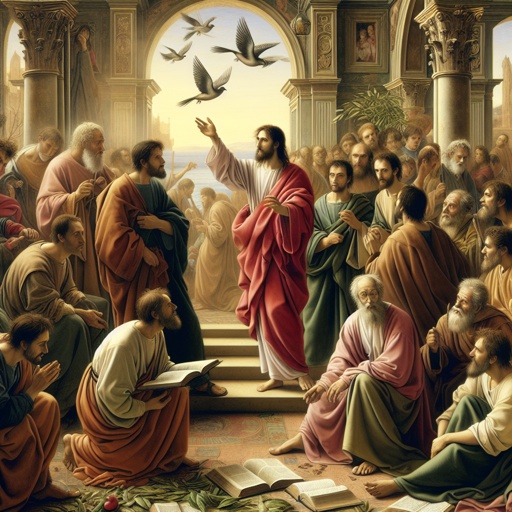
Mark 16:20

Deuteronomy 20:16
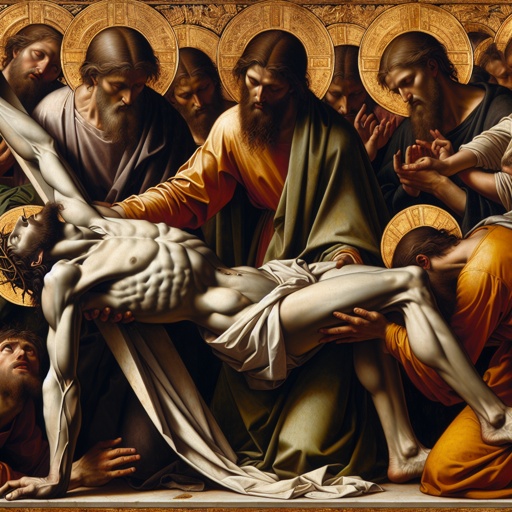
Mark 16:20

Genesis 20-16

Mark 16:20

Deuteronomy 20:16