What does Matthew 20:21 mean?
“And he said unto her, What wilt thou? She saith unto him, Grant that these my two sons may sit, the one on thy right hand, and the other on the left, in thy kingdom.” — Matthew 20:21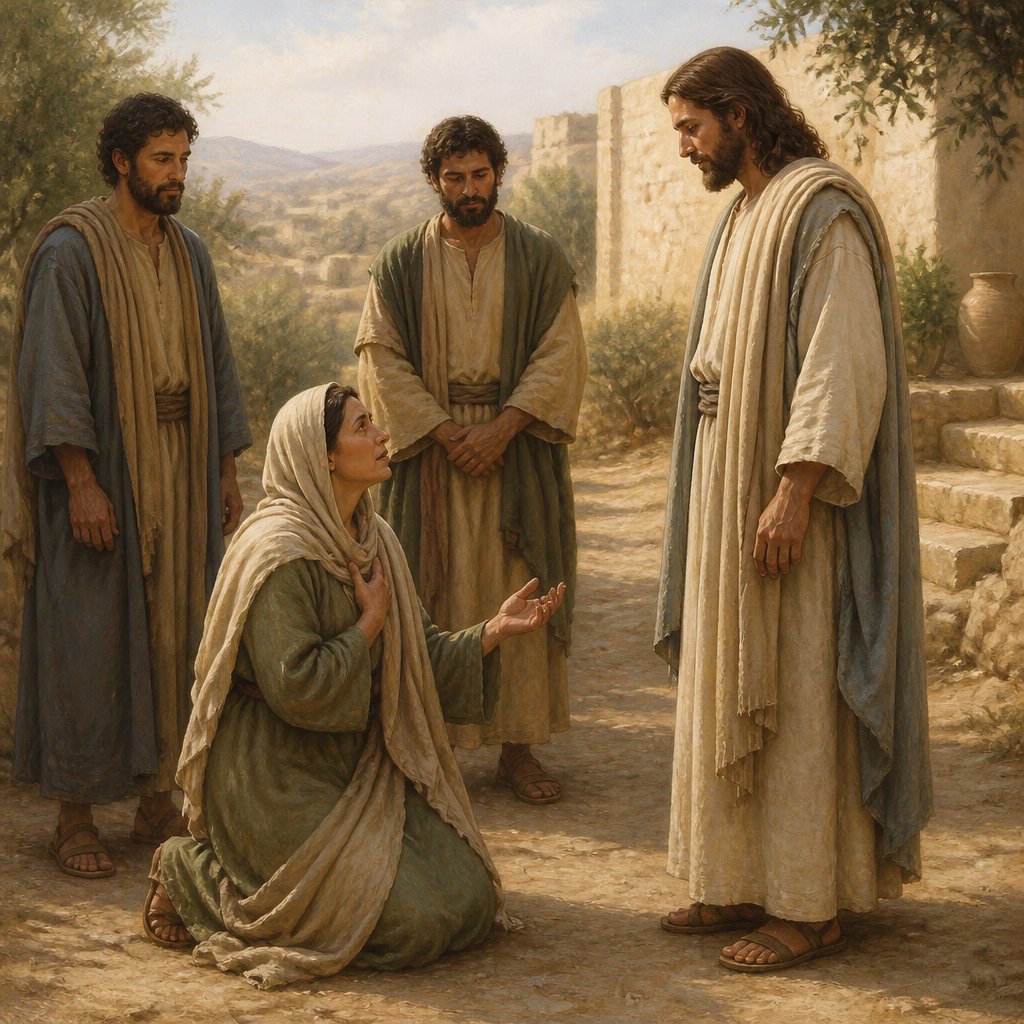
The Bible verse Matthew 20:21 in the King James Version (KJV) states, "And he said unto her, What wilt thou? She saith unto him, Grant that these my two sons may sit, the one on thy right hand, and the other on the left, in thy kingdom."
This verse is part of a larger narrative in the Gospel of Matthew, where the mother of James and John, two of the disciples of Jesus, comes to Jesus with a request. She is asking for a special position for her sons in the kingdom of God, specifically that they may sit at the right and left hand of Jesus. This passage reveals the ambitious and bold nature of the disciples’ mother, as well as the human desire for power and position.
The context of this verse is important in understanding its meaning. Just prior to this encounter, Jesus had been teaching his disciples about the nature of servanthood and humility. He had told them that the greatest among them would be the servant of all and had used a child as an example of the type of humility required to enter the kingdom of heaven. This request from the mother of James and John seems to contrast with the lessons Jesus had been teaching, as it reflects a desire for self-promotion and power rather than humility and servanthood.
The theme of ambition and pride versus humility and servanthood is central to this passage. The disciples, like many of us, were seeking their own glory and recognition. They desired positions of honor and authority, reflecting an earthly understanding of power and success. Jesus, on the other hand, taught a different way—a way of selflessness, sacrifice, and putting others before oneself. This theme of humility and servanthood is a recurring theme in the teachings of Jesus and is emphasized throughout the New Testament.
The symbolism in this verse is powerful. The request of the mother of James and John reflects the human tendency to seek after positions of power and recognition. It also reflects the misconceptions about the nature of the kingdom of God. The disciples, like many of their contemporaries, believed that the kingdom of God would be a political and earthly kingdom, with Jesus reigning as a traditional king. They did not yet understand the spiritual nature of the kingdom that Jesus came to establish, which prioritizes humility, love, and service.
The response of Jesus to the mother of James and John is also significant. He tells her that it is not his place to grant the request she is asking for, and that the places at his right and left hand are not his to give. Instead, Jesus redirects the focus to the true nature of discipleship, saying, "whosoever will be great among you, let him be your minister; And whosoever will be chief among you, let him be your servant" (Matthew 20:26-27, KJV). This response emphasizes the importance of humility and servanthood in the kingdom of God, and teaches that true greatness is found in serving others.
In conclusion, the Bible verse Matthew 20:21 in the King James Version (KJV) presents a powerful and timeless message about the nature of true greatness in the kingdom of God. It contrasts the human desire for power and recognition with the call to humility and servanthood. The request of the mother of James and John reflects the earthly ambitions of the disciples, while the response of Jesus redirects their focus to the true nature of discipleship. This passage serves as a reminder of the importance of humility and sacrificial love in the lives of believers, and challenges us to reexamine our own motivations and desires in light of Jesus' teachings.
Get our apps


Artwork for Matthew 20:21

Matthew 20:21 - "And he said unto her, What wilt thou? She saith unto him, Grant that these my two sons may sit, the one on thy right hand, and the other on the left, in thy kingdom."
"And he said unto her, What wilt thou? She saith unto him, Grant that these my two sons may sit, the one on thy right hand, and the other on the left, in thy kingdom." - Matthew 20:21

Matthew 21:20 - "And when the disciples saw it, they marvelled, saying, How soon is the fig tree withered away!"

Matthew 6:20-21 - "But store up for yourselves treasures in heaven, where moths and vermin do not destroy, and where thieves do not break in and steal. For where your treasure is, there your heart will be also."
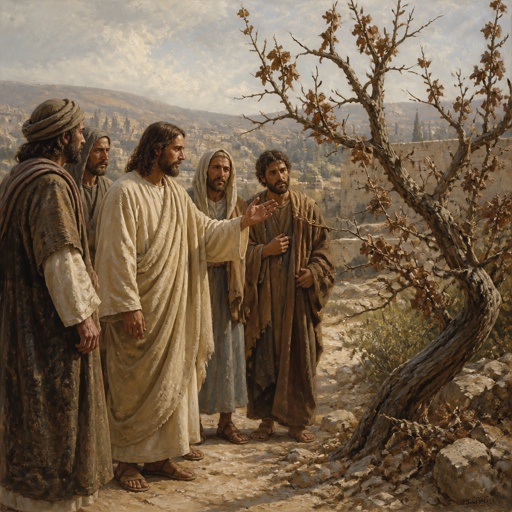
"And when the disciples saw it, they marvelled, saying, How soon is the fig tree withered away!" - Matthew 21:20

Matthew 9:21

Matthew 21

Matthew 9:21-22

Matthew 9:21-22

Matthew 9:21-22

Matthew 9:21-22

Matthew 9:21-22

Matthew 25:21

Matthew 25:21

Luke 13:20-21

Luke 13:20-21
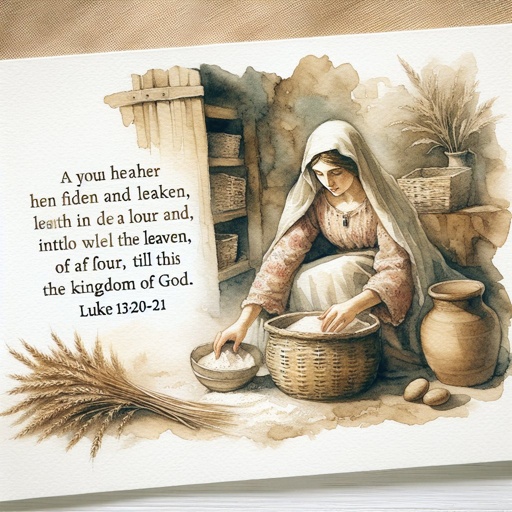
Luke 13:20-21

Luke 13:20-21

Luke 13:20-21

Matthew 17:20

Matthew 18:20

matthew 20:3

Matthew 18:20

Matthew 18:20

Matthew 17:20

Matthew 21:31

Matthew 21:25

Matthew 2:21

Genesis 21-20

John 20:21