What does Matthew 21:13 mean?
“And said unto them, It is written, My house shall be called the house of prayer; but ye have made it a den of thieves.” — Matthew 21:13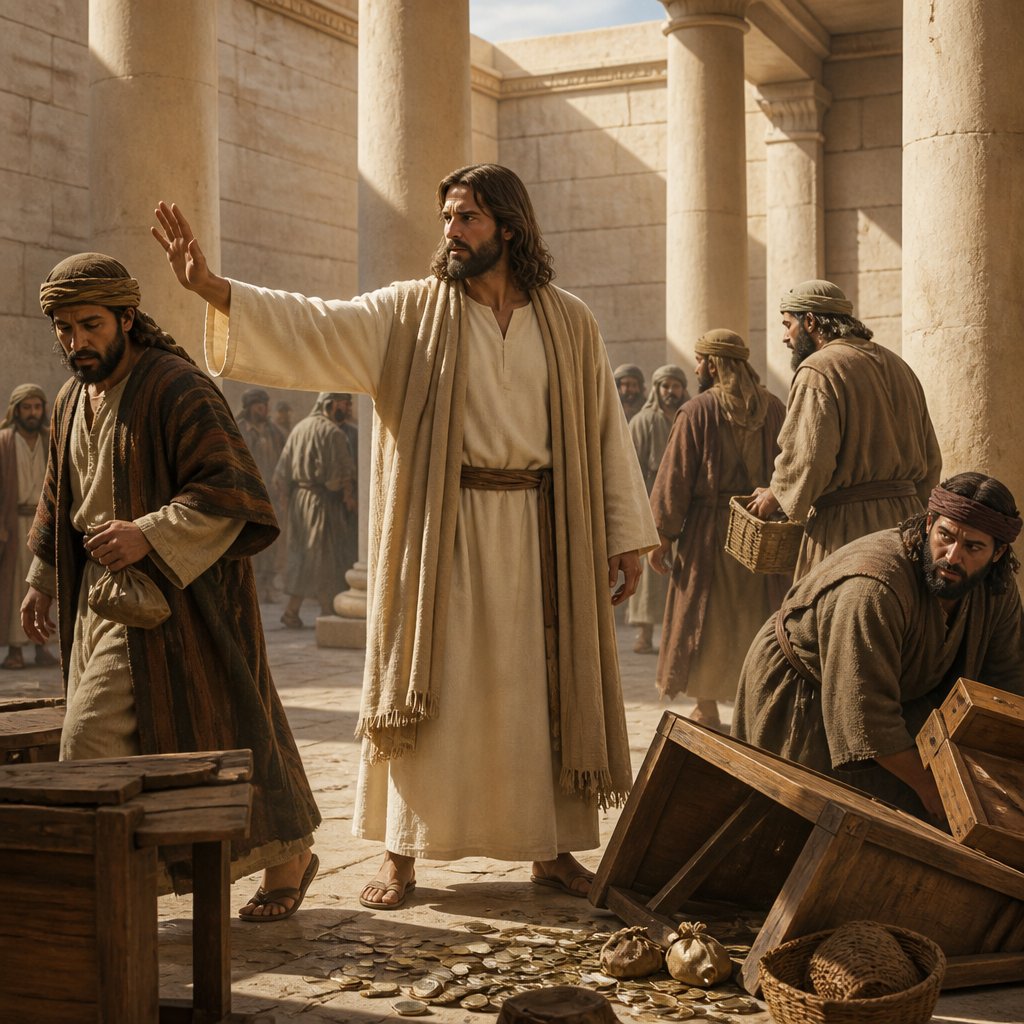
The Bible verse Matthew 21:13 in the King James Version (KJV) states, "And said unto them, It is written, My house shall be called the house of prayer; but ye have made it a den of thieves." This verse comes from the New Testament, specifically from the Gospel of Matthew, during a pivotal moment in the life of Jesus Christ. To truly understand the significance of this verse, it is important to explore the themes, context, and symbolism surrounding it.
The immediate context of this verse takes place during the final week of Jesus' life on earth, specifically the day after His triumphal entry into Jerusalem. As Jesus entered the temple, He witnessed the moneychangers and sellers of merchandise conducting their business within its sacred walls. This was a common practice during that time, as pilgrims from all over would come to the temple to buy animals for sacrifice and exchange their currency, often at exorbitant rates. However, Jesus was deeply troubled by this desecration of His Father's house, and his response in Matthew 21:13 was to quote from the prophecy of Isaiah 56:7, declaring that His Father's house should be a place of prayer and reverence, not commerce and exploitation.
This verse carries several themes that are central to the teachings of Jesus and the overall message of the Gospel. Firstly, it addresses the theme of the sanctity of God's house and the importance of reverent worship. Throughout His ministry, Jesus emphasized the significance of the temple as a place for encountering God and offering prayer and worship. By denouncing the commercialization of the temple, Jesus underscores the idea that spiritual communion and devotion should be the primary focus within the congregation.
Moreover, this verse also touches upon the theme of justice and moral integrity. Jesus denounces the moneychangers and vendors for turning the house of prayer into a "den of thieves", highlighting the greed and corruption that had infiltrated the sacred space. In doing so, Jesus condemns the exploitation of God's people for personal gain, calling attention to the ethical responsibility of those entrusted with spiritual leadership and stewardship.
Additionally, there is a theme of prophetic fulfillment present in this verse. By quoting from the Old Testament prophecy of Isaiah, Jesus aligns Himself with the prophetic tradition and identifies His own mission as the realization of God's divine plan. This serves to affirm His authority and divine purpose, further establishing the legitimacy of His teachings and actions.
Symbolically, the cleansing of the temple in Matthew 21:13 holds profound significance within the broader narrative of Jesus' ministry. It signifies His role as the righteous and just Messiah, whose arrival precipitates the purification and restoration of God's people and their worship. The act of driving out the moneychangers and vendors also serves as a powerful symbol of Jesus' authority over the forces of sin and corruption, displaying His power to bring about spiritual renewal and transformation.
In conclusion, Matthew 21:13 in the King James Version conveys a powerful message about the sanctity of God's house, the pursuit of justice and moral integrity, and the fulfillment of God's redemptive plan. This verse serves as a poignant reminder of the reverence and devotion that should characterize our worship, as well as the need for spiritual leaders to uphold ethical conduct and prioritize the well-being of their congregations. Through its themes and symbolism, this verse illuminates the transformative impact of Jesus' teachings and actions, solidifying His identity as the long-awaited Messiah and the embodiment of God's unwavering love and righteousness.
Get our apps


Artwork for Matthew 21:13

Matthew 21:13 - "And said unto them, It is written, My house shall be called the house of prayer; but ye have made it a den of thieves."
"And said unto them, It is written, My house shall be called the house of prayer; but ye have made it a den of thieves." - Matthew 21:13

Matthew 14:13-21

Habakkuk 2:1-3

Matthew 13:21 - "Yet hath he not root in himself, but dureth for a while: for when tribulation or persecution ariseth because of the word, by and by he is offended."
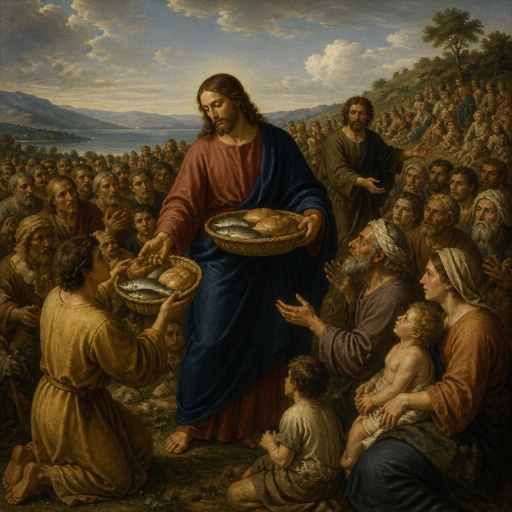
Jesus feeding the multitudes with five loaves and two fishes in Matthew 14: 13-21.

Matthew 21:12–13 corrupted churches, deceived people, churches making money

Matthew 9:21

Matthew 21

Matthew 9:21-22

Matthew 9:21-22

Matthew 9:21-22

Matthew 9:21-22

Matthew 9:21-22

Matthew 25:21

Matthew 25:21

Matthew 13

Matthew 21:31

Matthew 21:25

Matthew 2:21

Matthew 8:13

Matthew 8:13

Matthew 8:13

Matthew 13

"Yet hath he not root in himself, but dureth for a while: for when tribulation or persecution ariseth because of the word, by and by he is offended." - Matthew 13:21
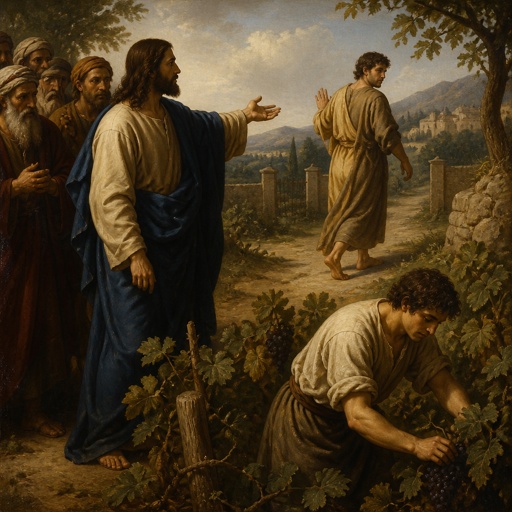
Matthew 21:28-32
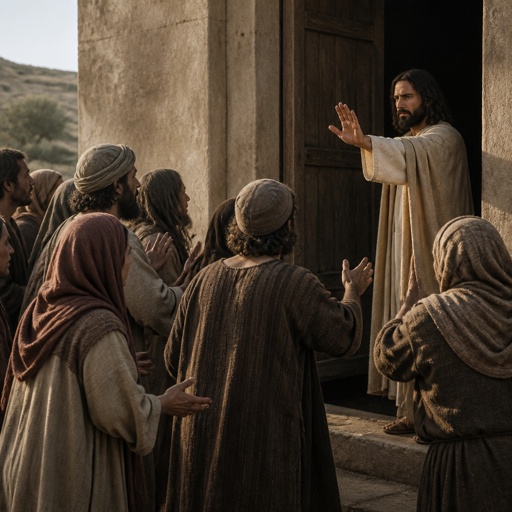
Matthew 7:21-23

Matthew 21:1-11

Matthew 7:13-14

Matthew 7:13-14