What does Matthew 21:40 mean?
“When the lord therefore of the vineyard cometh, what will he do unto those husbandmen?” — Matthew 21:40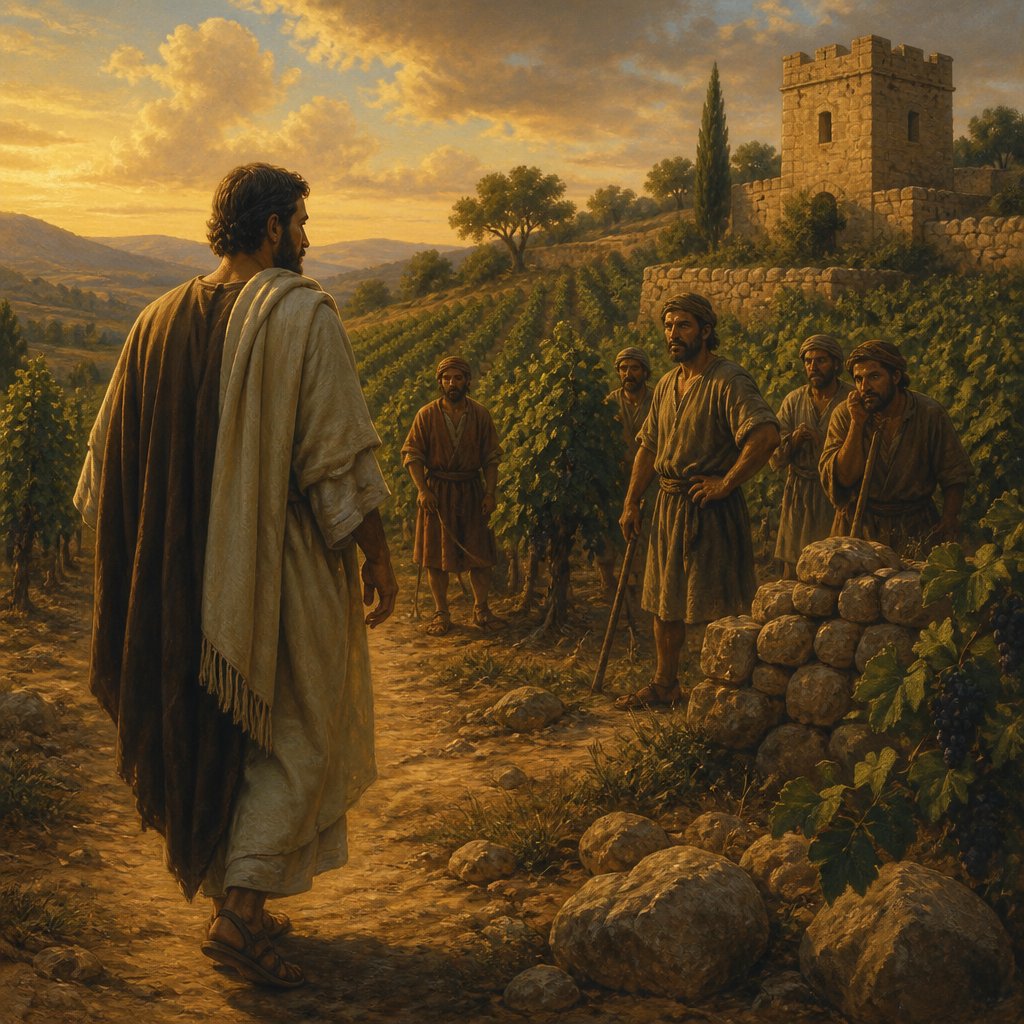
In order to provide a detailed and in-depth meaning and commentary of Matthew 21:40, it is important to first examine the context in which this verse appears. This verse is part of a parable that Jesus told to the chief priests and elders in the temple. The parable, as a whole, is about a landowner who planted a vineyard, leased it out to tenants, and then sent his servants to collect the fruits. However, the tenants mistreated and killed the servants. Finally, the landowner sent his son, thinking that the tenants would respect him. But the tenants seized the son, cast him out of the vineyard, and killed him. Jesus used this parable to illustrate the rejection of the prophets by the people of Israel and the impending rejection and crucifixion of the Son of God, himself.
Now, let's focus on the specific verse in question, Matthew 21:40, which says, "When the lord, therefore of the vineyard cometh, what will he do unto those husbandmen?" In this verse, Jesus is asking the chief priests and elders to reflect on the parable and anticipate the response of the landowner to the wicked actions of the tenants. This question serves to draw attention to the impending judgment that the wicked tenants will face for their actions.
The parable and this particular verse highlight several important themes. One of the central themes is the rejection of God’s messengers and His Son. Throughout the Old Testament, the prophets that God had sent to His people were often rejected, persecuted, and even killed. Here, Jesus is referring to the religious leaders as the tenants who had rejected and killed God’s messengers in the past, referring to the prophets, and would ultimately reject and kill the Son of God, referring to himself.
Another theme in this verse is the concept of judgment and justice. The question posed by Jesus in this verse is aimed at provoking the religious leaders to consider the consequences of their actions. By doing so, Jesus is emphasizing the inevitability of divine judgment for their rejection and mistreatment of God's messengers and ultimately, His Son. This theme of divine justice and judgment is a common thread throughout the Bible. The parable serves as a warning to those who reject God and His messengers, highlighting the fact that there will be severe consequences for their actions.
The symbolism in this verse can be further understood by examining the characters in the parable. The landowner represents God, the vineyard represents the nation of Israel, the tenants represent the religious leaders, the servants represent the prophets, and the son represents Jesus himself. This symbolism underscores the historical relationship between God and His people and the rejection and mistreatment of His messengers.
In conclusion, Matthew 21:40, within the broader context of the parable, serves to emphasize crucial themes of rejection, judgment, and justice. It warns against the consequences of rejecting God’s messengers and His Son while also highlighting the inevitability of divine judgment. This verse provides a powerful and relevant message about the consequences of rejecting God and refusing to acknowledge His sovereignty. It challenges us to consider the weight of our actions and the importance of recognizing and honoring the messengers that God has sent to us. Ultimately, it underscores the significance of accepting and embracing the Son of God, Jesus Christ, and the implications of rejecting Him.
Get our apps


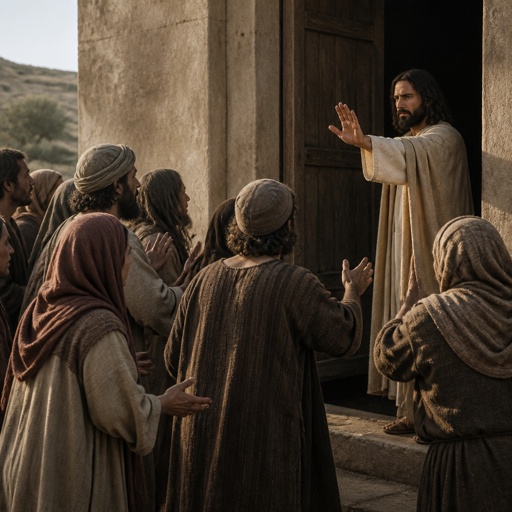
Artwork for Matthew 21:40

Matthew 21:40 - "When the lord therefore of the vineyard cometh, what will he do unto those husbandmen?"
"When the lord therefore of the vineyard cometh, what will he do unto those husbandmen?" - Matthew 21:40

Matthew 22:40 - "On these two commandments hang all the law and the prophets."

Matthew 24:40 - "Then shall two be in the field; the one shall be taken, and the other left."

Matthew 13:40 - "As therefore the tares are gathered and burned in the fire; so shall it be in the end of this world."

Job 40:21 - "He lieth under the shady trees, in the covert of the reed, and fens."

Matthew 10:40 - "¶ He that receiveth you receiveth me, and he that receiveth me receiveth him that sent me."

Genesis 40:21 - "And he restored the chief butler unto his butlership again; and he gave the cup into Pharaoh's hand:"

Matthew 9:21

Matthew 21

Matthew 9:21-22

"On these two commandments hang all the law and the prophets." - Matthew 22:40

Matthew 9:21-22

Matthew 9:21-22

Matthew 9:21-22

Matthew 9:21-22

Matthew 25:21

Matthew 25:21

Exodus 40:21 - "And he brought the ark into the tabernacle, and set up the vail of the covering, and covered the ark of the testimony; as the LORD commanded Moses."

Joshua 21:40 - "So all the cities for the children of Merari by their families, which were remaining of the families of the Levites, were by their lot twelve cities."

Matthew 5:40 - "And if any man will sue thee at the law, and take away thy coat, let him have thy cloke also."

Matthew 21:31

Matthew 21:25

Matthew 2:21

Matthew 27:40 - "And saying, Thou that destroyest the temple, and buildest it in three days, save thyself. If thou be the Son of God, come down from the cross."

Matthew 26:40 - "And he cometh unto the disciples, and findeth them asleep, and saith unto Peter, What, could ye not watch with me one hour?"

Matthew 12:40 - "For as Jonas was three days and three nights in the whale's belly; so shall the Son of man be three days and three nights in the heart of the earth."
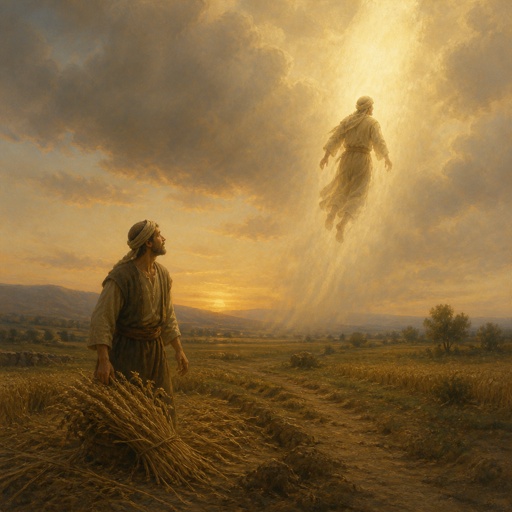
"Then shall two be in the field; the one shall be taken, and the other left." - Matthew 24:40
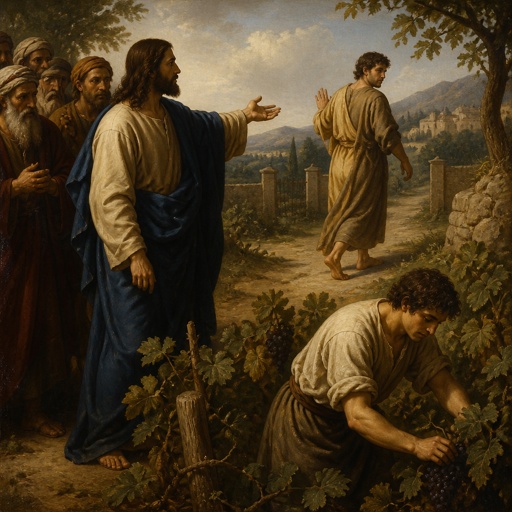
Matthew 21:28-32
Matthew 7:21-23