What does Matthew 21:7 mean?
“And brought the ass, and the colt, and put on them their clothes, and they set him thereon.” — Matthew 21:7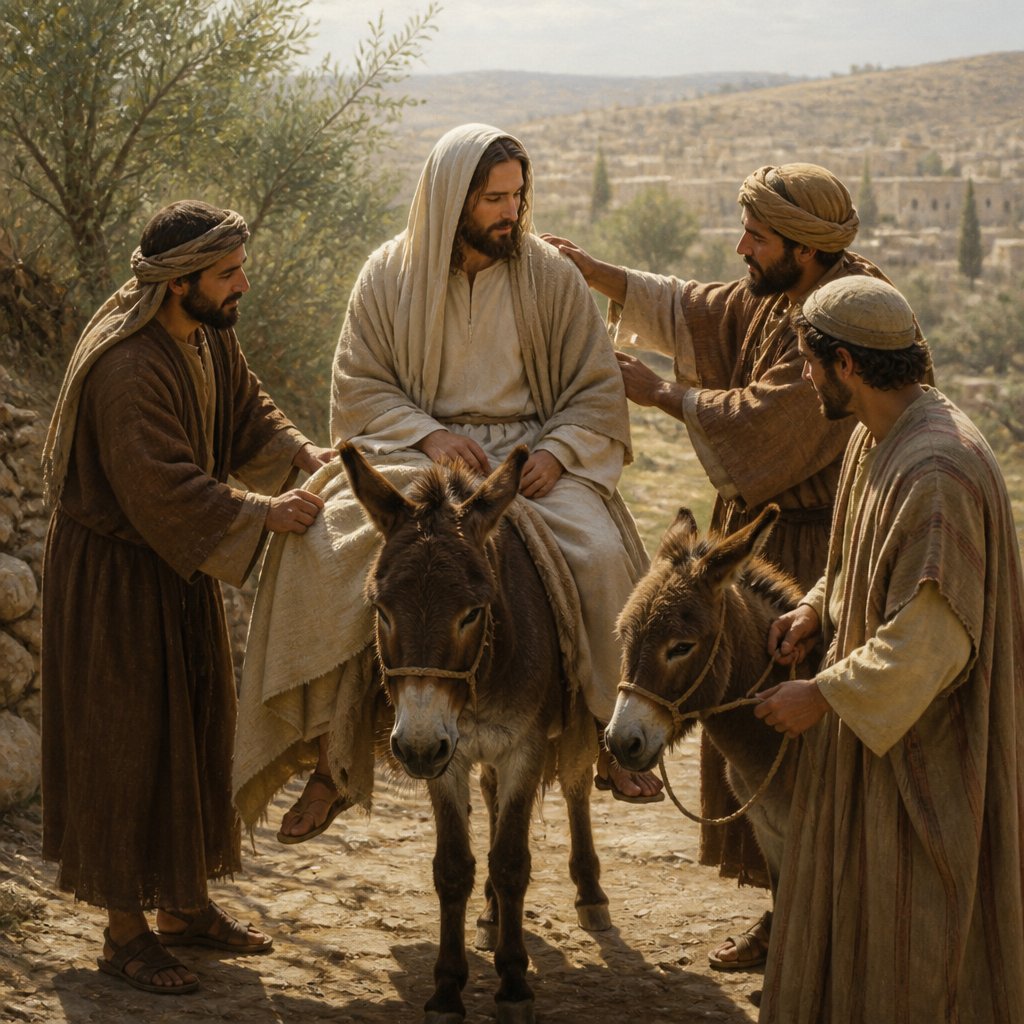
The verse Matthew 21:7 from the King James Version of the Bible reads, "And brought the ass, and the colt, and put on them their clothes, and they set him thereon." This verse is a part of the larger passage that describes Jesus' triumphal entry into Jerusalem. This event marks the beginning of the Holy Week, which culminates in Jesus' crucifixion and resurrection.
In this verse, we see Jesus riding into Jerusalem on a donkey and a colt. This is a fulfillment of the prophecy in the Old Testament found in Zechariah 9:9, which says, "Rejoice greatly, O daughter of Zion; shout, O daughter of Jerusalem: behold, thy King cometh unto thee: he is just, and having salvation; lowly, and riding upon an ass, and upon a colt the foal of an ass." This prophecy is significant because it identifies Jesus as the long-awaited Messiah and King. By riding into Jerusalem on a donkey, Jesus is symbolizing his peaceful and humble nature. In Jewish culture, a king would ride into a city on a horse as a symbol of war and conquest, but Jesus, as the Prince of Peace, chose to enter on a donkey, signifying his message of peace and salvation.
The act of placing their clothes on the donkey and the colt suggests an act of homage and reverence for Jesus. It was a way of honoring him as the long-awaited Messiah and King of Israel. The people who witnessed this event recognized the prophetic significance of Jesus' actions and responded by spreading their cloaks on the road and waving palm branches as a sign of honor and praise.
The themes present in this verse are humility, fulfillment of prophecy, and recognition of Jesus' kingship. Jesus' choice to ride on a donkey rather than a horse demonstrates his humility and peaceful nature. This act also fulfills the prophetic word of Zechariah, which speaks of the Messiah's humble entry into Jerusalem. The people's response to Jesus' entry reflects their recognition of his kingship and their willingness to honor and praise him.
The context of this verse is important in understanding its significance. Jesus' triumphal entry into Jerusalem occurred during the Passover, a time when Jews from all over would gather in the city to celebrate the feast. The atmosphere in Jerusalem would have been filled with anticipation and excitement as people hoped for deliverance from Roman oppression. Jesus' entry would have been seen as a bold declaration of his identity as the Messiah and a symbol of hope for the people.
Symbolically, the donkey and the colt represent the fulfillment of Old Testament prophecy and the establishment of Jesus as the long-awaited King and Messiah. By riding on these animals, Jesus not only fulfills the words of the prophet Zechariah but also demonstrates his identification with the humble and lowly in society. His choice to enter the city in this way sets the stage for the events that will follow, ultimately leading to his crucifixion and resurrection, which are the central events of the Christian faith.
In conclusion, Matthew 21:7 captures a pivotal moment in the life of Jesus as he enters Jerusalem in fulfillment of Old Testament prophecy. The significance of this event lies in its demonstration of Jesus' humility, the fulfillment of prophecy, and the recognition of his kingship. This verse serves as a powerful symbol of Jesus' identity as the long-awaited Messiah and King, setting the stage for the events that will ultimately lead to his redemptive work on the cross.
Get our apps


Artwork for Matthew 21:7

Matthew 21:7 - "And brought the ass, and the colt, and put on them their clothes, and they set him thereon."
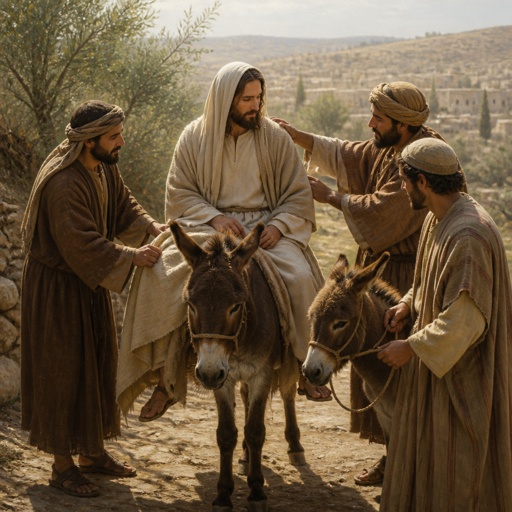
"And brought the ass, and the colt, and put on them their clothes, and they set him thereon." - Matthew 21:7
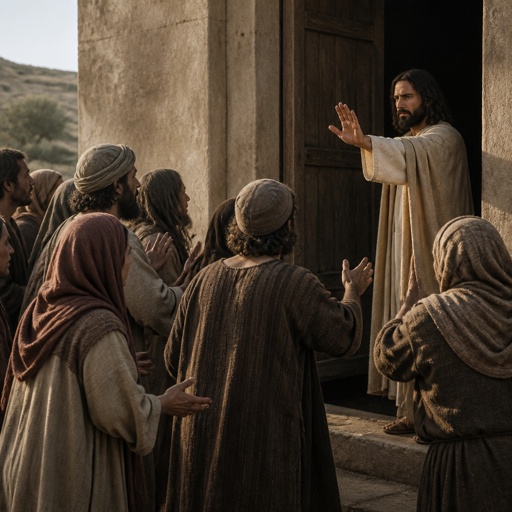
Matthew 7:21-23

Matthew 21:21 Philippians 4:6-7 Ephesians 6:10-18 Put the words on the photo

Matthew 21:21 Philippians 4:6-7 Ephesians 6:10-18

Matthew 7:21 - "¶ Not every one that saith unto me, Lord, Lord, shall enter into the kingdom of heaven; but he that doeth the will of my Father which is in heaven."

Matthew 7:21 “Not everyone who says to Me, ‘Lord, Lord,’ shall enter the kingdom of heaven, but he who does the will of My Father in heaven.
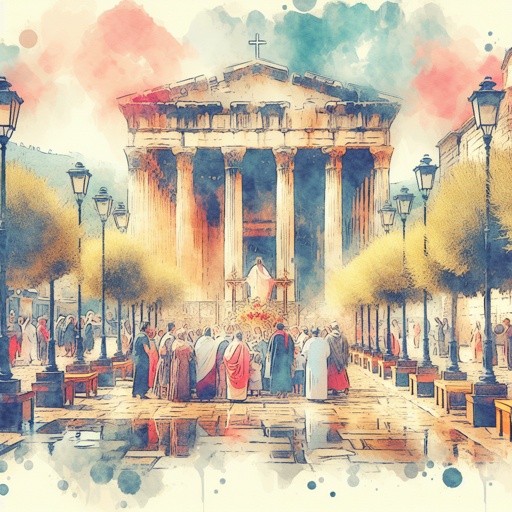
Matthew 7:21 “Not everyone who says to Me, ‘Lord, Lord,’ shall enter the kingdom of heaven, but he who does the will of My Father in heaven.

Matthew 9:21

Matthew 9:21-22

Matthew 21

Matthew 9:21-22

Matthew 9:21-22

Matthew 9:21-22

Matthew 9:21-22

Matthew 25:21

Matthew 25:21

Matthew 21:31

Matthew 21:25

Matthew 2:21

Matthew 7:7

Matthew 21:1-11

Matthew 14:13-21

Matthew 17:14-21

Matthew 7:13-14

Matthew 7:13-14

Matthew 7:13-14

Matthew 7:13-14

Matthew 7:13-14

Matthew 7:13-14