What does Matthew 22:36 mean?
“Master, which is the great commandment in the law?” — Matthew 22:36
Matthew 22:36 (KJV) says, "Master, which is the great commandment in the law?" This verse is part of a larger passage in which the Pharisees and Sadducees, two groups of religious leaders in Jesus' time, were trying to test Jesus by asking him difficult questions. They were trying to trap him into saying something they could use against him. In response to their question about the greatest commandment, Jesus gives a profound and profound answer.
The context of this verse is essential for understanding its full meaning. In the preceding verses, we see the Pharisees and the Sadducees questioning Jesus and trying to catch him in his words. They ask him about paying taxes to Caesar and ask him a hypothetical question about marriage in the afterlife. In both instances, Jesus responds with wisdom and insight that leaves his questioners unable to accuse him of anything.
So, when the Pharisees ask about the greatest commandment in the law, they are likely trying to provoke Jesus into saying something that could be used against him. In response, Jesus gives them a straightforward and powerful answer that not only silences his questioners but also provides a powerful teaching about the essence of the law.
When Jesus responds to the Pharisees' question, he quotes directly from the Old Testament. In verse 37, he says, "Thou shalt love the Lord thy God with all thy heart, and with all thy soul, and with all thy mind." This quotation comes from Deuteronomy 6:5, which is part of the Shema, a central confession of faith in Judaism. The Shema was recited daily by devout Jews and affirmed their commitment to loving and serving God with all their being.
In quoting the Shema, Jesus affirms the central importance of loving God with all our heart, soul, and mind. This commandment is the foundation of the entire Old Testament law and is echoed in many other passages throughout the Bible. It speaks to the depth and totality of our love for God, calling us to love him with every aspect of our being.
In verse 38, Jesus adds another commandment to the greatest. He says, "This is the first and great commandment. And the second is like unto it, Thou shalt love thy neighbor as thyself." This quote comes from Leviticus 19:18, which is another central teaching in the Old Testament. Jesus connects the love for God with the love for our neighbor, emphasizing that the two are inseparable.
These two commandments summarize the entirety of the law and the prophets, as Jesus says in verse 40. They encapsulate the essence of what it means to follow God's will and live according to his commands. The love for God and the love for our neighbor are intertwined and inseparable, and they form the foundation of all moral and ethical teachings in the Bible.
The themes in this verse are profound and far-reaching. Love for God and love for our neighbor are central themes in the entire Bible and are echoed in both the Old and New Testaments. They speak to the foundational principles of God's kingdom and affirm the importance of love as the guiding principle for all human relationships.
The symbolism in this verse is also significant. The command to love God with all our heart, soul, and mind speaks to the totality of our devotion and commitment to God. It symbolizes the depth and intensity of our relationship with him. The command to love our neighbor as ourselves symbolizes the interconnectedness of all humanity and the importance of caring for one another.
In conclusion, Matthew 22:36 is a powerful and profound teaching from Jesus about the greatest commandment in the law. It encapsulates the essence of the entire Old Testament and is a central teaching in the New Testament as well. It emphasizes the importance of love for God and love for our neighbor as the foundation of all moral and ethical teachings in the Bible. This verse is a powerful reminder of our duty to love and serve God with all our being and to love and care for our neighbors as ourselves.
Get our apps


Artwork for Matthew 22:36

Matthew 22:36 - "Master, which is the great commandment in the law?"

"Master, which is the great commandment in the law?" - Matthew 22:36

Matthew 12:36-37

matthew 12:36-37
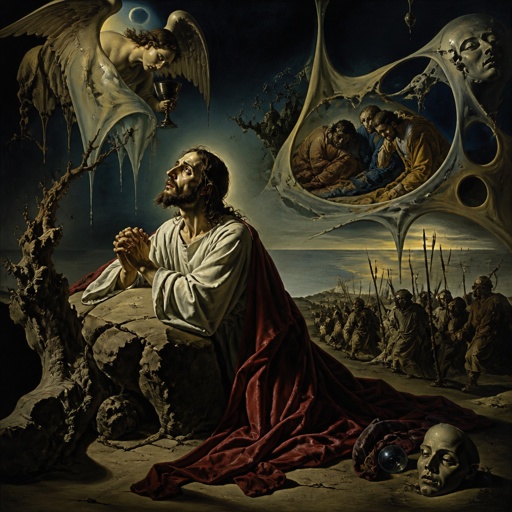
Matthew 26:36-46

Matthew 12:36-37

2 Chronicles 36:22

Proverbs 8:22-36

Matthew 27:36 - "And sitting down they watched him there;"

Matthew 10:36 - "And a man's foes shall be they of his own household."

Genesis 36:22 - "And the children of Lotan were Hori and Hemam; and Lotan's sister was Timna."

Matthew 24:36 - "¶ But of that day and hour knoweth no man, no, not the angels of heaven, but my Father only."

Job 36:22 - "Behold, God exalteth by his power: who teacheth like him?"

"And sitting down they watched him there;" - Matthew 27:36

Matthew 23:36 - "Verily I say unto you, All these things shall come upon this generation."

Matthew 9:21-22

Jeremiah 36:22 - "Now the king sat in the winterhouse in the ninth month: and there was a fire on the hearth burning before him."

Matthew 21:36 - "Again, he sent other servants more than the first: and they did unto them likewise."

Matthew 9:21-22

Matthew 9:21-22

Matthew 9:21-22

Matthew 9:21-22

Matthew 22:22 - "When they had heard these words, they marvelled, and left him, and went their way."

Matthew 6:22

Matthew 6:22

Matthew 9:36 (KJV) 36 But when he saw the multitudes, he was moved with compassion on them, because they fainted, and were scattered abroad, as sheep having no shepherd.

Matthew 6:22

Matthew 14:36 - "And besought him that they might only touch the hem of his garment: and as many as touched were made perfectly whole."

Matthew 5:36 - "Neither shalt thou swear by thy head, because thou canst not make one hair white or black."

Matthew 15:36 - "And he took the seven loaves and the fishes, and gave thanks, and brake them, and gave to his disciples, and the disciples to the multitude."