What does Matthew 22:4 mean?
“Again, he sent forth other servants, saying, Tell them which are bidden, Behold, I have prepared my dinner: my oxen and my fatlings are killed, and all things are ready: come unto the marriage.” — Matthew 22:4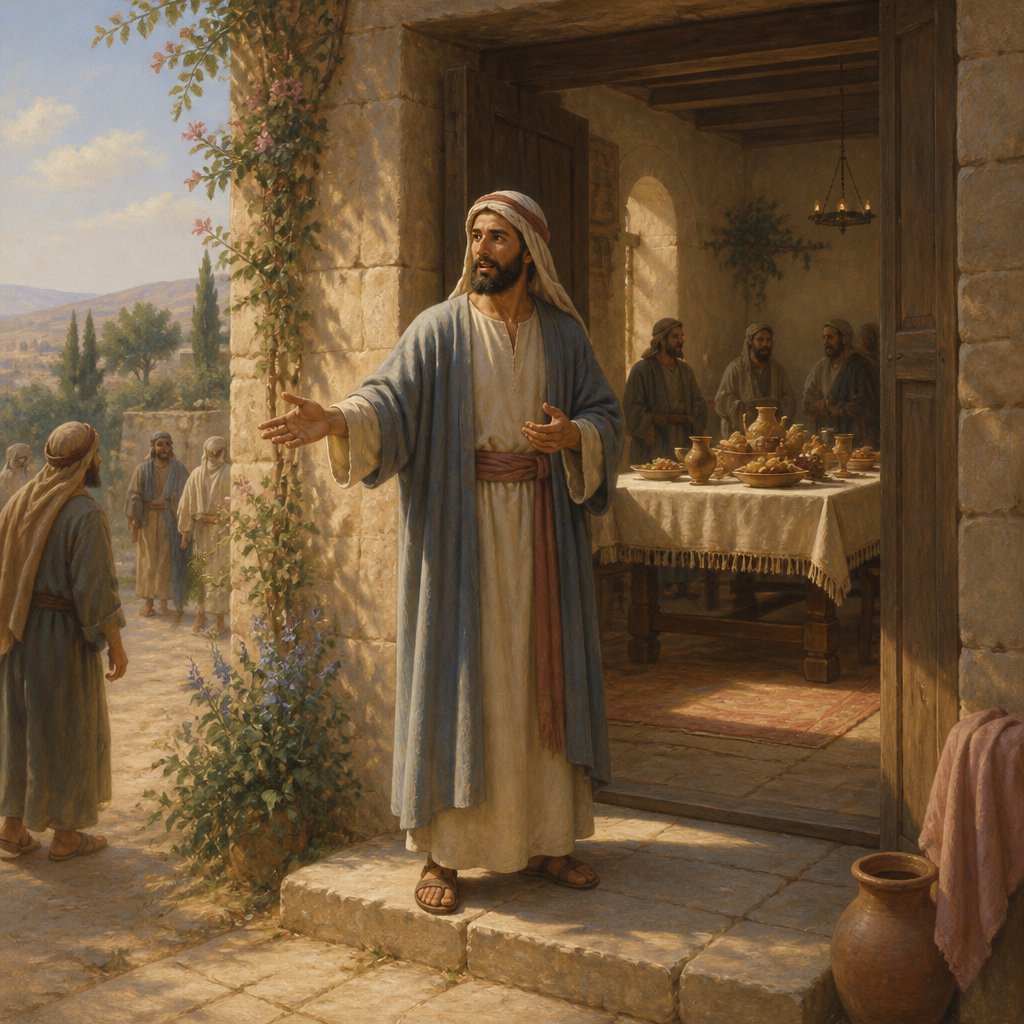
Matthew 22:4 (KJV): "Again, he sent forth other servants, saying, Tell them which are bidden, Behold, I have prepared my dinner: my oxen and my fatlings are killed, and all things are ready: come unto the marriage."
In this verse, Jesus tells a parable about a king who prepared a wedding feast for his son. When the initial guests refused to come, the king sent his servants to invite others to the celebration.
The parable holds deep spiritual significance and provides valuable lessons for believers. This verse encourages believers to accept the invitation to the kingdom of heaven. The king in the parable represents God, the son represents Jesus, and the wedding feast symbolizes the kingdom of God. The initial guests who refused the invitation represent the religious leaders and Jews who rejected Jesus' message of salvation. The servants represent the prophets and disciples who invite others to receive the good news.
The concept of a wedding feast is a common metaphor used in the Bible to describe the coming together of God's people in heavenly bliss. It signifies the joy and celebration that will take place when believers are united with Christ in his kingdom. The oxen and fatlings being killed represent the lavish and bountiful provision God makes for those who respond to His invitation. The preparation of the feast demonstrates God's desires for all people to share in the blessings of his kingdom.
The refusal of the initial guests to attend the feast highlights the rejection of Jesus by the religious leaders and Jewish people during his time on earth. Despite being invited to partake in the spiritual blessings of the Messiah's kingdom, they rejected God's gracious offer.
The parable also speaks to the universal nature of God's invitation. The king sends his servants to "tell them which are bidden," indicating that the invitation is extended to all people, not just the privileged or religious elite. This reflects God's desire for all to come to repentance and receive the gift of salvation through Christ.
The overarching theme of this verse is the concept of divine invitation and response. It emphasizes the urgency and importance of responding to God's call. The invitation to the wedding feast symbolizes the offer of salvation through faith in Jesus Christ. It teaches that God's invitation is open to all, regardless of social status or religious background. The parable reminds believers of the need to share the good news of salvation with others and to respond to God's invitation with a willing heart.
The parable of the wedding feast also provides a stark warning to those who refuse God's invitation. The consequences of rejecting the king's gracious offer are severe, as seen in the parable when the original guests are ultimately excluded from the feast. It serves as a reminder that there will be a day of judgment for those who reject God's offer of salvation.
In summary, Matthew 22:4 conveys a profound message about God's invitation to the kingdom of heaven, the rejection of that invitation by some, and the expansive and inclusive nature of God's offer. It serves as a call for believers to respond to God's invitation with humility and gratitude, and to share the message of salvation with others. It also highlights the profound consequences of rejecting God's gracious offer.
Get our apps


Artwork for Matthew 22:4

Matthew 22:4 - "Again, he sent forth other servants, saying, Tell them which are bidden, Behold, I have prepared my dinner: my oxen and my fatlings are killed, and all things are ready: come unto the marriage."
"Again, he sent forth other servants, saying, Tell them which are bidden, Behold, I have prepared my dinner: my oxen and my fatlings are killed, and all things are ready: come unto the marriage." - Matthew 22:4

Matthew 4:22 - "And they immediately left the ship and their father, and followed him."
"And they immediately left the ship and their father, and followed him." - Matthew 4:22

Matthew 9:21-22

Matthew 9:21-22

Matthew 9:21-22

Matthew 9:21-22

Matthew 9:21-22

Matthew 22:22 - "When they had heard these words, they marvelled, and left him, and went their way."

Matthew 6:22

Matthew 6:22

Matthew 6:22

Matthew 22:38 - "This is the first and great commandment."

Matthew 14:22-33

Matthew 22:37-39

Matthew 22:14 - "For many are called, but few are chosen."

Matthew 22:36 - "Master, which is the great commandment in the law?"

Matthew 22:27 - "And last of all the woman died also."

Matthew 22:26 - "Likewise the second also, and the third, unto the seventh."

Matthew 22:40 - "On these two commandments hang all the law and the prophets."

Matthew 22:33 - "And when the multitude heard this, they were astonished at his doctrine."

Matthew 22:20 - "And he saith unto them, Whose is this image and superscription?"

"This is the first and great commandment." - Matthew 22:38

Matthew 22:19 - "Shew me the tribute money. And they brought unto him a penny."

Matthew 22:1 - "And Jesus answered and spake unto them again by parables, and said,"

Matthew 22:41 - "¶ While the Pharisees were gathered together, Jesus asked them,"

Matthew 22:45 - "If David then call him Lord, how is he his son?"

Matthew 22:39 - "And the second is like unto it, Thou shalt love thy neighbour as thyself."

Matthew 22:6 - "And the remnant took his servants, and entreated them spitefully, and slew them."