What does Matthew 22:12 mean?
“And he saith unto him, Friend, how camest thou in hither not having a wedding garment? And he was speechless.” — Matthew 22:12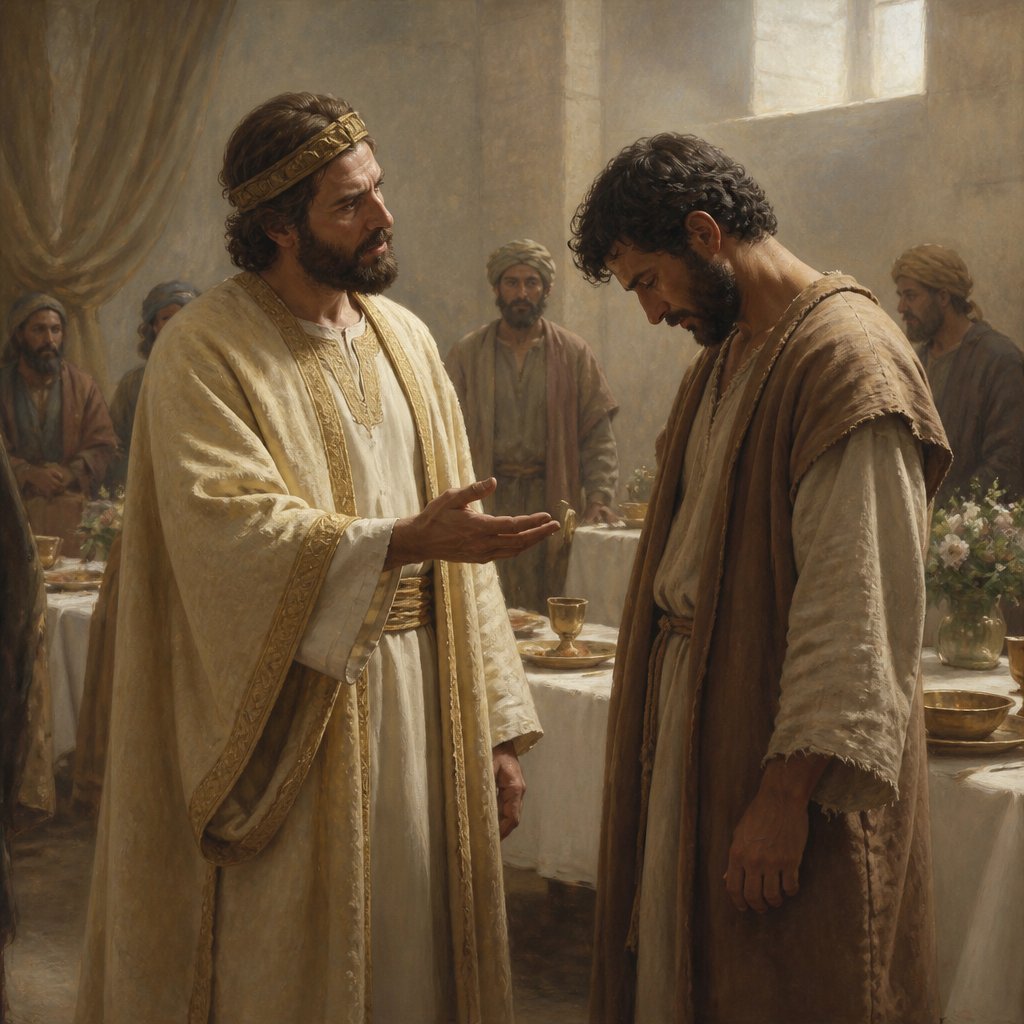
Matthew 22:12 (KJV) reads:
"And he saith unto him, Friend, how camest thou in hither not having a wedding garment? And he was speechless."
This verse is part of a parable told by Jesus in the book of Matthew, in which he uses the metaphor of a wedding feast to teach a lesson about the kingdom of heaven.
The context of this parable is important for understanding the meaning of this particular verse. In the preceding verses, Jesus tells the story of a king who prepared a wedding feast for his son, and invited many guests. When the feast was ready, the king sent his servants to call those who had been invited, but they all made excuses and refused to come. In response, the king sent his servants out into the streets to invite anyone they could find, both good and bad, and the wedding hall was filled with guests.
In verse 11, we see that the king enters the hall to see the guests and noticed a man who was not wearing a wedding garment. This is where the key verse, Matthew 22:12, comes into play. The king asks the man how he got into the wedding feast without a wedding garment, and the man is left speechless.
The symbolism in this verse is significant. The wedding garment represents the righteousness and purity required to enter into the kingdom of heaven. In the parable, it symbolizes the righteousness that comes through faith in Jesus Christ. By not wearing the wedding garment, the man in the story is showing that he does not have the required righteousness to enter the kingdom of heaven. He is unprepared and unworthy to attend the wedding feast.
This verse serves as a warning about the importance of being spiritually prepared for the kingdom of heaven. It teaches that it's not enough to simply be present in the kingdom, but one must also be clothed in righteousness. This aligns with the broader biblical theme of the importance of spiritual readiness and faith in Christ's righteousness for entrance into the kingdom of God. It also echoes the verse in Matthew 7:21, where Jesus warns, "Not everyone who says to me, 'Lord, Lord,' will enter the kingdom of heaven, but only the one who does the will of my Father who is in heaven."
The speechlessness of the man when confronted by the king emphasizes his unworthiness and inability to justify his lack of preparation. This represents the inability of anyone to enter the kingdom of heaven through their own works or merits. It underscores the foundational Christian belief that salvation is a gift from God that cannot be earned through human effort.
This parable, including verse 12, also has historical and cultural significance. In ancient Jewish wedding customs, guests were provided with a wedding garment to wear. The fact that the man in the parable was not wearing this garment would have been seen as a great insult and a sign of disrespect to the host. In the cultural context of the time, this would have been an unthinkable breach of etiquette.
In conclusion, Matthew 22:12 teaches a powerful lesson about the need for spiritual preparation and righteousness for entrance into the kingdom of heaven. It highlights the significance of faith in Christ's righteousness for salvation and underscores the inability of human efforts to earn salvation. Its cultural and historical context also adds depth to its meaning, emphasizing the seriousness of the man's lack of a wedding garment. This verse challenges Christians to examine their own spiritual readiness and to rely on the righteousness of Christ for entrance into the kingdom of heaven.
Get our apps


Artwork for Matthew 22:12
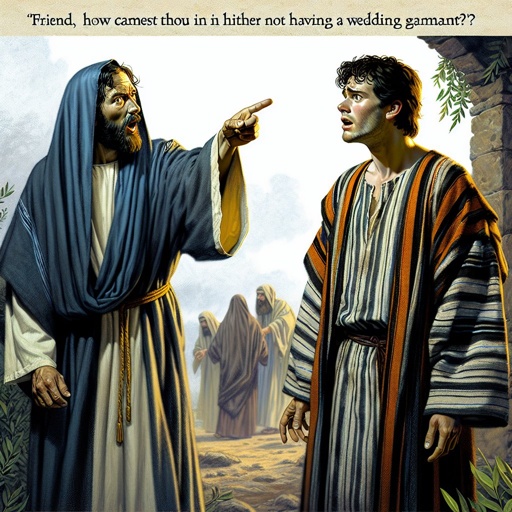
Matthew 22:12 - "And he saith unto him, Friend, how camest thou in hither not having a wedding garment? And he was speechless."
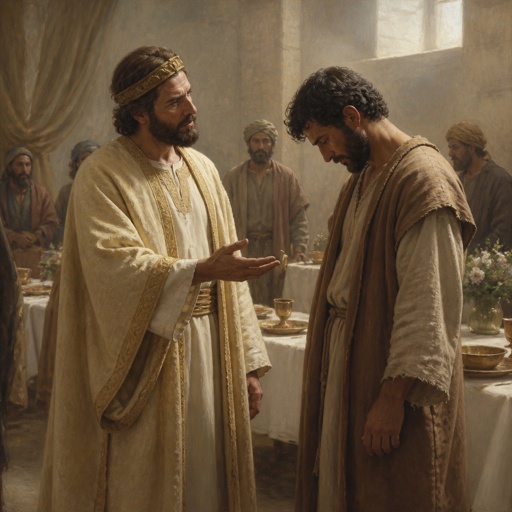
"And he saith unto him, Friend, how camest thou in hither not having a wedding garment? And he was speechless." - Matthew 22:12

Matthew 12:22 - "¶ Then was brought unto him one possessed with a devil, blind, and dumb: and he healed him, insomuch that the blind and dumb both spake and saw."

Matthew 9:21-22

Matthew 9:21-22

Matthew 9:21-22

Matthew 9:21-22

Matthew 9:21-22

Matthew 22:22 - "When they had heard these words, they marvelled, and left him, and went their way."

Matthew 6:22

Matthew 6:22

Matthew 6:22

Matthew 22:38 - "This is the first and great commandment."

Matthew 14:22-33

Matthew 22:37-39

1 Corinthians 12:12-22

Matthew 3:11-12

Matthew 22:14 - "For many are called, but few are chosen."

Matthew 3:11-12

Matthew 22:36 - "Master, which is the great commandment in the law?"

Matthew 3:12

Matthew 3:12

Matthew 23:12

Matthew 7:12

Matthew 23:12

Matthew 22:27 - "And last of all the woman died also."

Matthew 22:26 - "Likewise the second also, and the third, unto the seventh."

Matthew 22:40 - "On these two commandments hang all the law and the prophets."

Matthew 7:12

Matthew 3:12