What does Matthew 23:7 mean?
“And greetings in the markets, and to be called of men, Rabbi, Rabbi.” — Matthew 23:7
In the book of Matthew, Chapter 23, verse 7, the King James Version of the Bible reads, "And greetings in the markets, and to be called of men, Rabbi, Rabbi." This verse is part of a larger passage in which Jesus is delivering a series of woes to the scribes and Pharisees, condemning their hypocrisy and lack of true devotion to God. The verse specifically addresses the scribes and Pharisees' desire for recognition and honor from others, rather than seeking true righteousness.
In this verse, Jesus is rebuking the scribes and Pharisees for their pride and hypocrisy. He criticizes their love for being publicly recognized and greeted with titles of honor, such as "Rabbi." The scribes and Pharisees were known for their love of the "chief seats" in the synagogues and their desire for prominent greetings in public places. They enjoyed the adulation of the people, and they sought to be seen as religious authorities and leaders.
The use of the title "Rabbi" in this verse is significant. In ancient Jewish culture, a rabbi was a highly respected and learned teacher of religious law and traditions. By desiring to be called "Rabbi," the scribes and Pharisees were seeking not only public recognition but also authority and respect as religious leaders. They craved the admiration and deference of the people, using their religious status for personal gain and self-aggrandizement. This misplaced desire for honor and recognition revealed their lack of true humility and devotion to God.
The deeper meaning behind this verse speaks to the nature of true righteousness and humility in the eyes of God. Jesus is condemning the scribes and Pharisees for their outward displays of religious devotion and their love for public recognition. Their actions were driven by a desire for self-glory rather than a genuine commitment to God and His commandments. Their hypocrisy and lack of true humility stood in stark contrast to the righteousness that God requires.
This verse also addresses the broader theme of pride and humility throughout the Bible. Proverbs 16:18 states, "Pride goeth before destruction, and an haughty spirit before a fall." The pursuit of self-glory and honor leads to spiritual downfall, as God opposes the proud but gives grace to the humble (James 4:6). Jesus Himself modeled humility, washing His disciples' feet and ultimately laying down His life for the salvation of humanity (Philippians 2:5-8). True humility involves recognizing our dependence on God and seeking His glory above our own.
The context of this verse is also crucial to understanding its significance. Throughout Matthew 23, Jesus denounces the scribes and Pharisees for their hypocritical behavior and their failure to uphold the true principles of faith and righteousness. He calls them "hypocrites" (Matthew 23:13), "blind guides" (Matthew 23:16), and "whited sepulchers" (Matthew 23:27), highlighting their moral corruption and spiritual emptiness. Jesus warns the crowds and His disciples not to follow the example of the scribes and Pharisees, but to seek true humility, righteousness, and authenticity in their relationship with God.
Symbolically, the pursuit of public recognition and titles of honor represents the worldly values that stand in opposition to the kingdom of God. The scribes and Pharisees sought status, power, and praise from men, but Jesus calls His followers to a different standard. In Matthew 23:12, He declares, "And whosoever shall exalt himself shall be abased; and he that shall humble himself shall be exalted." The kingdom of God values humility, servanthood, and a sincere heart before God above all else.
In conclusion, Matthew 23:7 from the King James Version of the Bible serves as a powerful rebuke of the scribes and Pharisees' pride and hypocrisy. This verse emphasizes the importance of true humility and righteousness in the eyes of God, condemning the pursuit of public recognition and honor for personal gain. The broader themes of pride, humility, and authenticity in one's relationship with God are woven throughout this verse, serving as a timeless reminder of the values that God esteems. As followers of Christ, we are called to embody true humility and servanthood, seeking God's glory above our own and rejecting the empty pursuit of worldly recognition.
Get our apps


Artwork for Matthew 23:7

Matthew 23:7 - "And greetings in the markets, and to be called of men, Rabbi, Rabbi."

"And greetings in the markets, and to be called of men, Rabbi, Rabbi." - Matthew 23:7

matthew 7:23
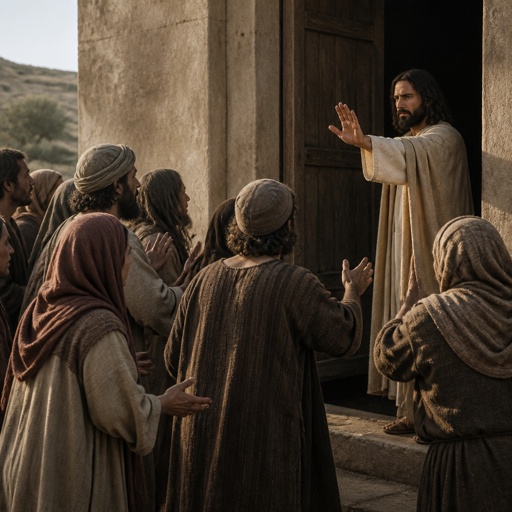
Matthew 7:21-23

Matthew 7:23 - "And then will I profess unto them, I never knew you: depart from me, ye that work iniquity."

Matthew 6:23

Matthew 25:23

Matthew 2:23

Matthew 15:23

Matthew 2:23

Matthew 23:12

Matthew 23:12

Matthew 23:28

Matthew 2:23

Matthew 25:23

MATTHEW 28: 23

Matthew 2:23

Matthew 15:23

Matthew 23:28
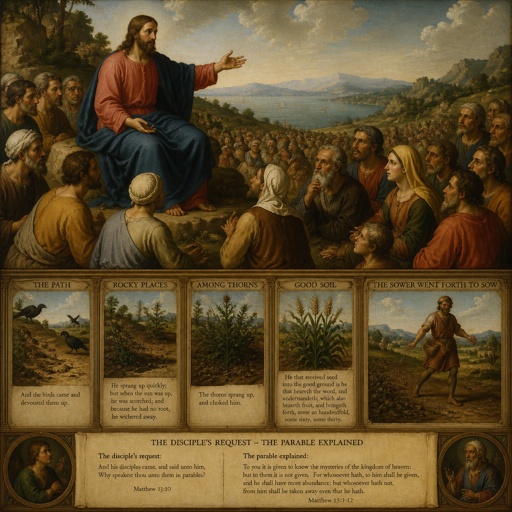
Matthew 13:1-23
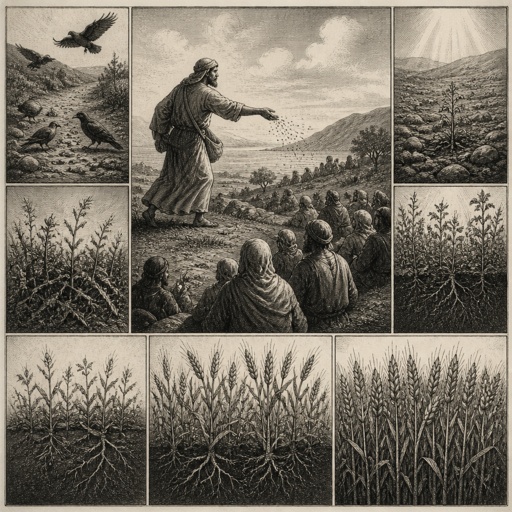
Matthew 13:1-23

Matthew 18:23-34

Matthew 18:23-34

Matthew 18:23-34

Matthew 7:7

"And then will I profess unto them, I never knew you: depart from me, ye that work iniquity." - Matthew 7:23

Matthew 18:23-34

Matthew 23:32 - "Fill ye up then the measure of your fathers."

Matthew 23:2 - "Saying, The scribes and the Pharisees sit in Moses' seat:"

Matthew 23:1 - "Then spake Jesus to the multitude, and to his disciples,"