What does Matthew 25:27 mean?
“Thou oughtest therefore to have put my money to the exchangers, and then at my coming I should have received mine own with usury.” — Matthew 25:27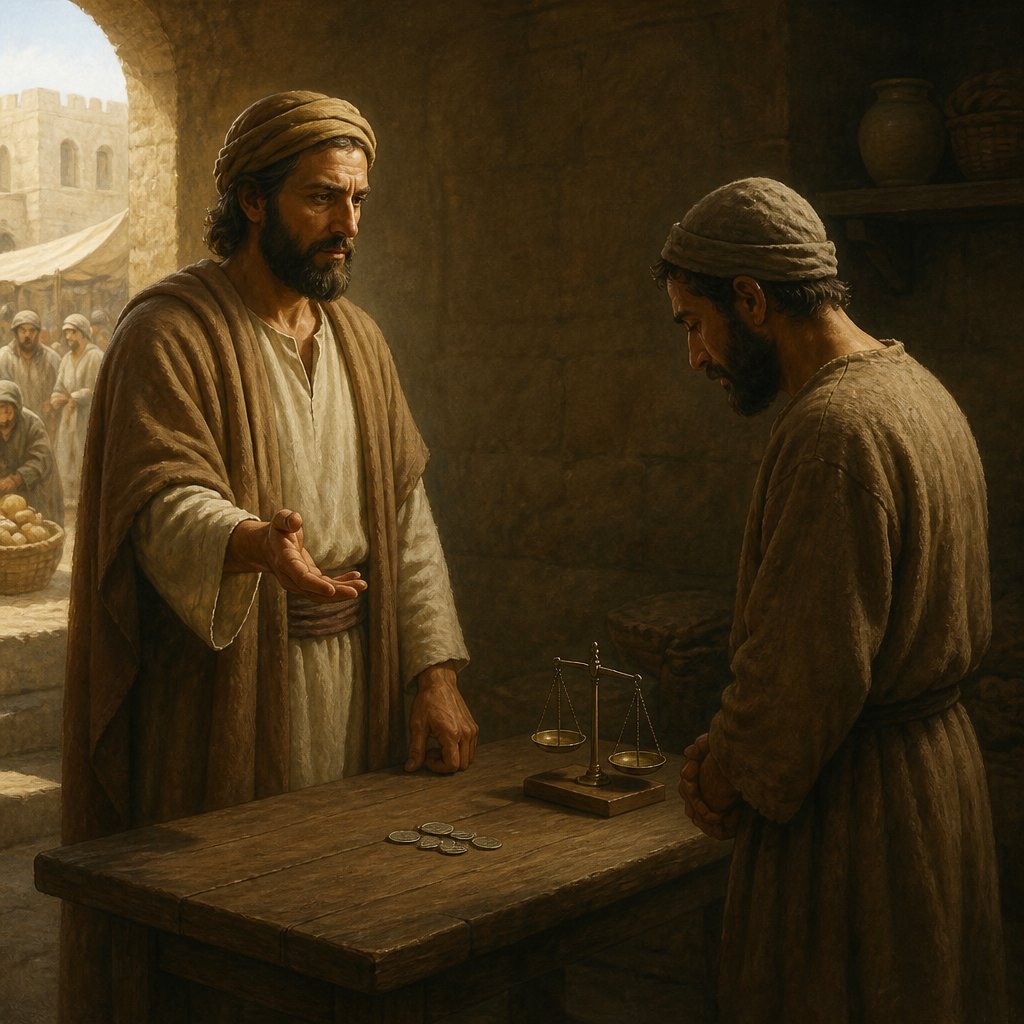
The verse Matthew 25:27 in the King James Version of the Bible reads, "Thou oughtest therefore to have put my money to the exchangers, and then at my coming I should have received mine own with usury."
This verse is part of a parable told by Jesus known as the Parable of the Talents. In this parable, a master entrusts his servants with varying amounts of money to invest while he is away. When he returns, he assesses their performance. The servant who received five talents and earned five more is praised and rewarded. Likewise, the servant who received two talents and earned two more is also praised and rewarded. However, the servant who received one talent buried it in the ground and did not earn any return. This is the context in which the verse Matthew 25:27 is spoken.
The theme of this parable revolves around the concept of stewardship and accountability. The talents given to the servants represent the various gifts and abilities that God has entrusted to each individual. The master's expectation is that his servants will use their talents wisely and productively. The parable encourages believers to be diligent in using their God-given gifts to serve others and to advance the kingdom of God. The consequences for negligence and misuse of these gifts are also highlighted in this parable.
The specific verse Matthew 25:27 gives insight into the attitude and actions of the unfaithful servant. The servant rationalizes his inactivity by pointing to the master's strictness and austere nature, which he believes would prevent any potential growth from his initial investment. His fear and lack of trust in the master led to his decision to bury the talent instead of investing it. The phrase "thou oughtest therefore to have put my money to the exchangers" refers to the common practice in the ancient world of entrusting money to skilled money-changers for investment, as they had the expertise to generate a return.
The mention of "mine own with usury" signifies the master's expectation of earning interest or profit from the servant's investment. In ancient Jewish culture, earning interest was common and legitimate. Therefore, the servant's failure to even earn interest on the buried talent indicates his lack of effort and neglect of the master's resources.
Symbolically, the parable and the specific verse Matthew 25:27 emphasize the idea of stewardship and faithfulness in using the gifts and resources given by God. The unfaithful servant represents those who are reluctant to take risks and make efforts in serving God and others. The master symbolizes God, who expects believers to make the most of the opportunities and resources given to them. The attitude and actions of the unfaithful servant serve as a warning against fear, complacency, and neglect in the Christian walk.
Furthermore, this parable and verse also speak to the larger context of the kingdom of God. The rewards and consequences depicted in the parable parallel the final judgment, where believers will be held accountable for their stewardship and faithfulness. The parable encourages believers to be diligent in their service and to invest their abilities and resources for the glory of God, with the promise of being rewarded for their faithfulness.
In conclusion, the verse Matthew 25:27 in the context of the Parable of the Talents offers a powerful message about responsible stewardship, faithfulness, diligence, and accountability in the Christian life. It challenges believers to wisely invest their God-given gifts and resources for the advancement of the kingdom of God and to be prepared for the future day of reckoning. The parable serves as a reminder of the importance of living a life of purpose and productivity, using our talents to the best of our ability for the glory of God.
Get our apps


Artwork for Matthew 25:27

Matthew 25:27 - "Thou oughtest therefore to have put my money to the exchangers, and then at my coming I should have received mine own with usury."
"Thou oughtest therefore to have put my money to the exchangers, and then at my coming I should have received mine own with usury." - Matthew 25:27

Matthew 27:25 - "Then answered all the people, and said, His blood be on us, and on our children."
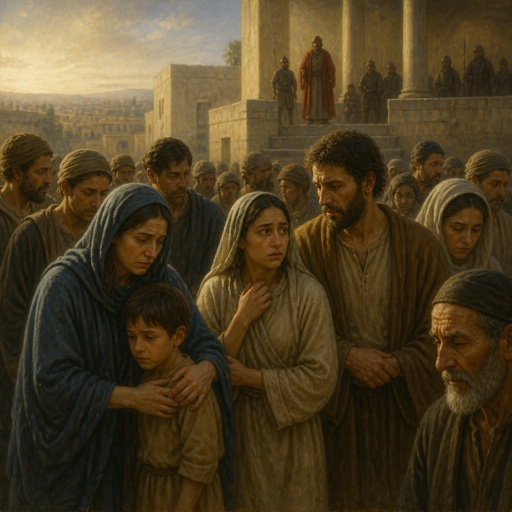
"Then answered all the people, and said, His blood be on us, and on our children." - Matthew 27:25

Matthew 25:25

Matthew 25: 14-25

1 Corinthians 9:25-27

1 Corinthians 9:25-27

Genesis 25-27

1 Corinthians 9:25-27

1 Corinthians 9:25-27

Matthew 27:46

Matthew 27:35

Matthew 24:27

Matthew 27:26

John 19:25-27

John 19:25-27
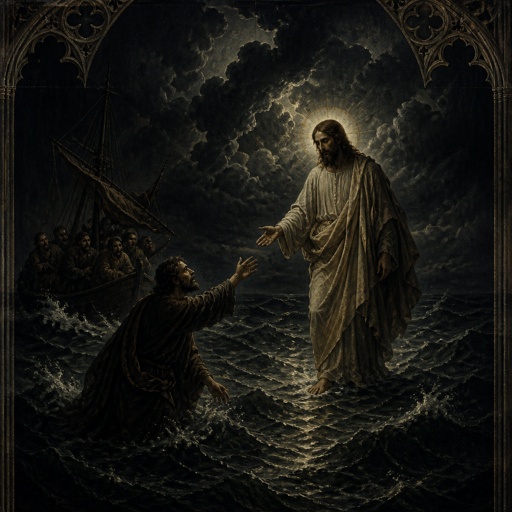
Matthew 14:27
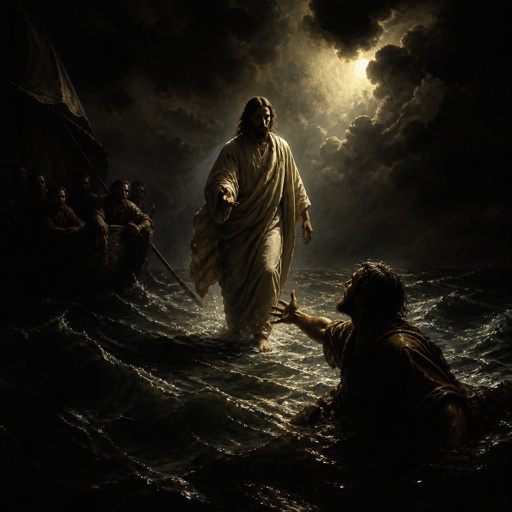
Matthew 14:27
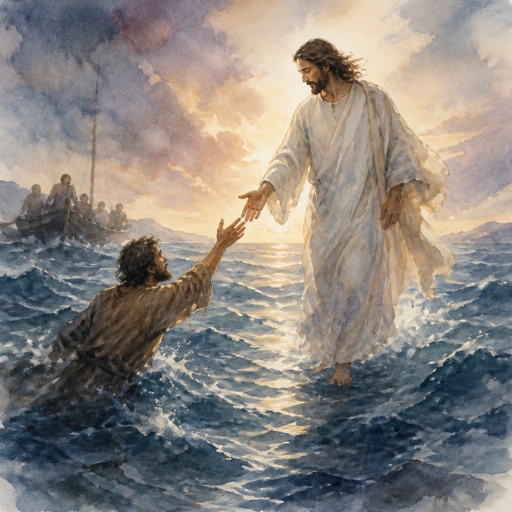
Matthew 14:27

Matthew 27:26

Matthew 27: 38

Matthew 26:25

Matthew 25:23

Matthew 25:21

Matthew 16:25

matthew 25:31

Matthew 25:21

Matthew 25:23

Matthew 21:25