What does Matthew 26:8 mean?
“But when his disciples saw it, they had indignation, saying, To what purpose is this waste?” — Matthew 26:8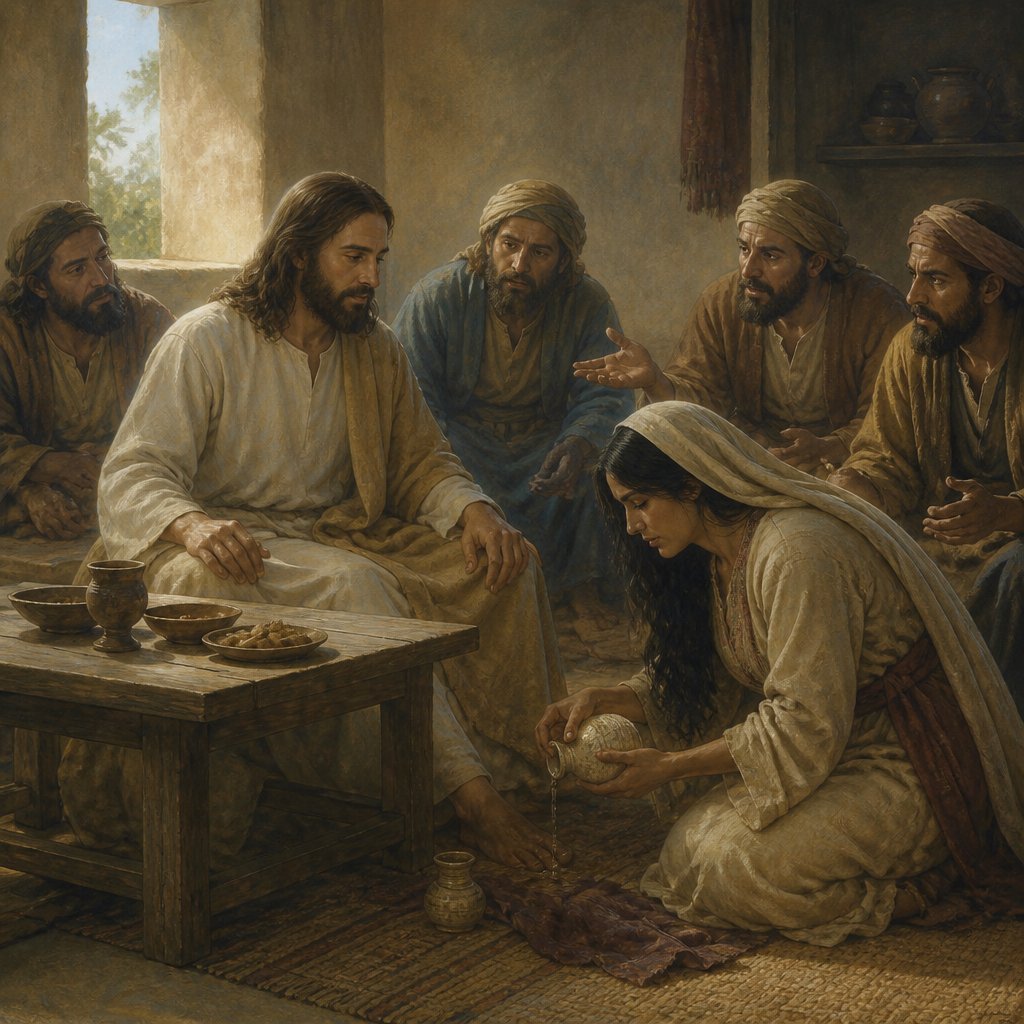
The Bible verse Matthew 26:8 from the King James Version (KJV) reads, "But when his disciples saw it, they had indignation, saying, To what purpose is this waste?" This verse appears in the context of Jesus being anointed at Bethany by a woman with an alabaster box of expensive ointment. This act of anointing is interpreted as a preparation for Jesus' burial, and the extravagant nature of the act caused dissension among the disciples.
The verse captures the disciples' reaction to the woman's act of anointing Jesus with costly ointment. They express indignation at what they perceive as a waste of resources, questioning the purpose of such an extravagant gesture. This passage raises several key themes and offers profound insights into human nature, faith, and devotion.
One of the central themes in this passage is the contrast between worldly values and spiritual priorities. The disciples' response reflects a concern for material wealth and practical utility, while the woman's act of anointing represents a selfless and reverent expression of love and devotion to Jesus. This contrast highlights the tension between the values of the world and the kingdom of God, prompting reflection on the nature of true discipleship and the cost of following Jesus.
The verse also addresses the concept of sacrifice and the willingness to offer costly gifts to honor God. The woman's act of anointing Jesus with expensive ointment is a demonstration of her deep reverence and sacrificial love for Christ. Her willingness to pour out her most valuable possession at his feet reflects a profound understanding of the spiritual significance of Jesus' impending suffering and death. This act serves as a powerful reminder of the importance of sacrificial worship and the value of giving our best to God.
Additionally, this passage highlights the importance of recognizing and honoring the worth and dignity of Jesus. The woman's act of anointing conveys a deep appreciation for the significance of Jesus' mission and the ultimate sacrifice he would make for humanity. Her action challenges the disciples to reconsider their own perception of Jesus and to recognize the profound spiritual truth embodied in his presence. This prompts us to consider how we honor and value Jesus in our own lives and whether our actions reflect a true understanding of his worth and significance.
Symbolism also plays a significant role in this verse, particularly in the imagery of the alabaster box and the costly ointment. The alabaster box is a symbol of the woman's most precious possession, representing her devotion and sacrifice. The costly ointment signifies the abundance of her love and reverence for Jesus, underscoring the depth of her commitment and the sincerity of her worship.
In conclusion, Matthew 26:8 from the King James Version offers a multi-layered and profound commentary on themes of sacrifice, devotion, and spiritual priorities. The verse prompts us to reflect on our own attitudes toward worship, on the contrast between worldly values and the kingdom of God, and on the depth of our devotion to Christ. It challenges us to consider whether we are willing to offer our most valuable possessions in worship and whether our actions truly reflect an understanding of the worth and significance of Jesus in our lives. This verse serves as a powerful reminder of the cost of discipleship and the transformative power of sacrificial love and devotion.
Get our apps


Artwork for Matthew 26:8

Matthew 26:8 - "But when his disciples saw it, they had indignation, saying, To what purpose is this waste?"
"But when his disciples saw it, they had indignation, saying, To what purpose is this waste?" - Matthew 26:8

Matthew 8:26 - "And he saith unto them, Why are ye fearful, O ye of little faith? Then he arose, and rebuked the winds and the sea; and there was a great calm."

"And he saith unto them, Why are ye fearful, O ye of little faith? Then he arose, and rebuked the winds and the sea; and there was a great calm." - Matthew 8:26

Matthew 26:25

Matthew 26:15

Matthew 19:26

Matthew 26:15

Matthew 27:26

Matthew 27:26

Matthew 26:53

Matthew 26:41

Matthew 26:65

Matthew 26:53
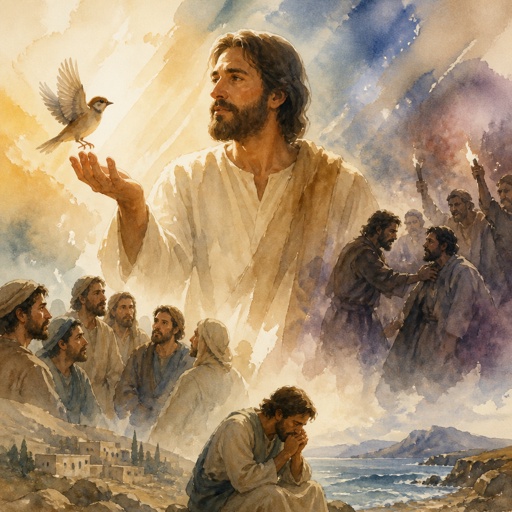
Matthew 10:26-33
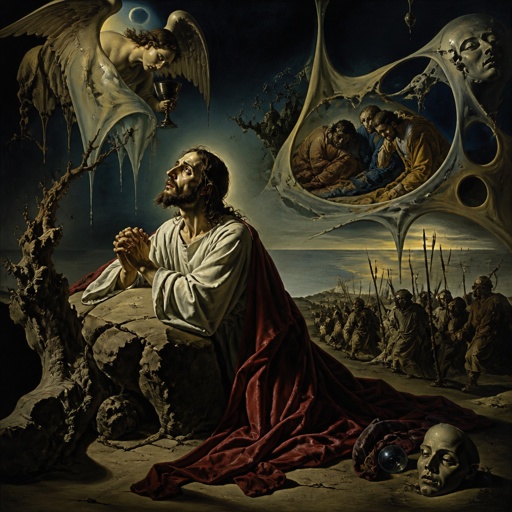
Matthew 26:36-46

Matthew 26:26 - "¶ And as they were eating, Jesus took bread, and blessed it, and brake it, and gave it to the disciples, and said, Take, eat; this is my body."

Matthew 22:26 - "Likewise the second also, and the third, unto the seventh."

Matthew 9:26 - "And the fame hereof went abroad into all that land."

Matthew 26:54 - "But how then shall the scriptures be fulfilled, that thus it must be?"

Matthew 26:6 - "¶ Now when Jesus was in Bethany, in the house of Simon the leper,"

Matthew 26:4 - "And consulted that they might take Jesus by subtilty, and kill him."

Matthew 26:5 - "But they said, Not on the feast day, lest there be an uproar among the people."

Matthew 26:16 - "And from that time he sought opportunity to betray him."

Matthew 8:13

Matthew 8:13

Matthew 8:13

Matthew 8:32

Matthew 8:32

Matthew 8:32