What does Matthew 27:5 mean?
“And he cast down the pieces of silver in the temple, and departed, and went and hanged himself.” — Matthew 27:5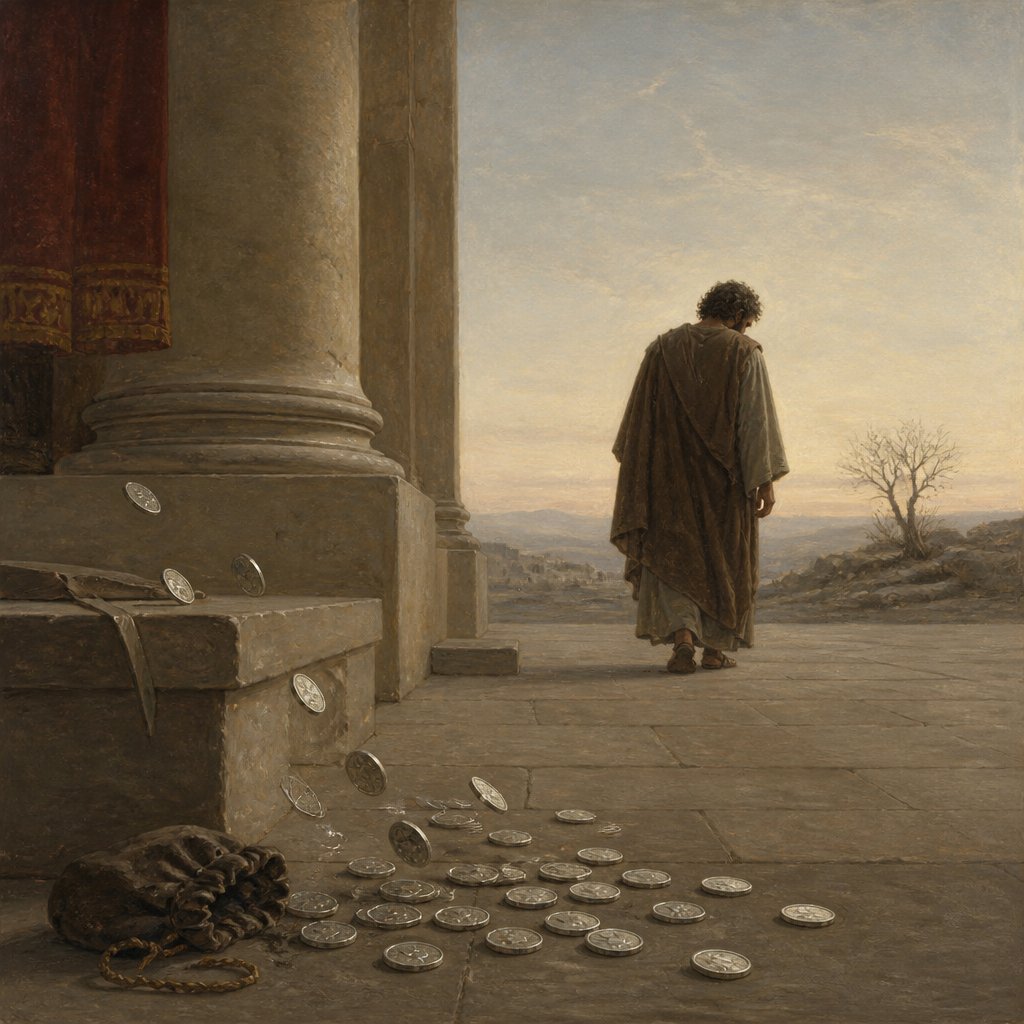
Matthew 27:5 (KJV) reads: "And he cast down the pieces of silver in the temple, and departed, and went and hanged himself."
This verse comes from the New Testament, specifically from the Gospel of Matthew, which recounts the events leading up to and including the crucifixion of Jesus Christ. This particular verse is part of the account of Judas Iscariot, one of Jesus' 12 disciples, who famously betrayed Jesus for 30 pieces of silver.
The context of this verse is important for understanding its full meaning. Judas Iscariot’s actions and subsequent despair and suicide are a powerful and tragic moment in the biblical narrative, and they serve as a stark reminder of the consequences of betraying one's beliefs and the weight of guilt and remorse. The event ultimately leads to Jesus' arrest, and ultimately, to his crucifixion.
In these few words, there are several layers of meaning that can be drawn out. First, the act of Judas throwing down the pieces of silver in the temple represents his acknowledgement of his sin and his attempt to make amends. The temple holds significant spiritual and religious significance, and Judas' action can be seen as an attempt to rid himself of the tainted money and the guilt it represents.
The act of Judas then departing and going to hang himself is a tragic and sorrowful end to his life. This act resonates with the overall theme of betrayal and its devastating consequences. The story of Judas serves as a cautionary tale for the consequences of betraying one's beliefs and values, and the enduring guilt and despair that can result from such actions.
There are also broader themes at play in this verse, including the nature of good and evil, the power of redemption and forgiveness, and the importance of personal conscience. Judas' actions are a stark reminder of the human capacity for betrayal and the devastating effects it can have on individuals and communities.
Another important aspect of this verse is the element of prophecy and divine intervention. The actions of Judas and the subsequent events surrounding the crucifixion of Jesus fulfill Old Testament prophecies, underscoring the deeper spiritual significance of these events in the Christian faith.
The symbolism in this verse is profound and multi-layered. The pieces of silver represent material wealth, but also the price of betrayal and the weight of guilt. The temple symbolizes the sacred and the spiritual realm, and Judas’ actions within it symbolize his struggles with his own faith and conscience. His act of hanging himself is a haunting symbol of despair and the irreversible consequences of his actions.
In conclusion, Matthew 27:5 (KJV) is a powerful and poignant verse that captures the depth of human emotions and the weight of betrayal and despair. It serves as a cautionary tale, a reminder of the enduring consequences of betrayal and the capacity for redemption and forgiveness. The verse is rich with meaning and symbolism, and it continues to provoke contemplation and reflection on the complex nature of human actions and their spiritual and moral implications.
Get our apps


Artwork for Matthew 27:5
"And he cast down the pieces of silver in the temple, and departed, and went and hanged himself." - Matthew 27:5
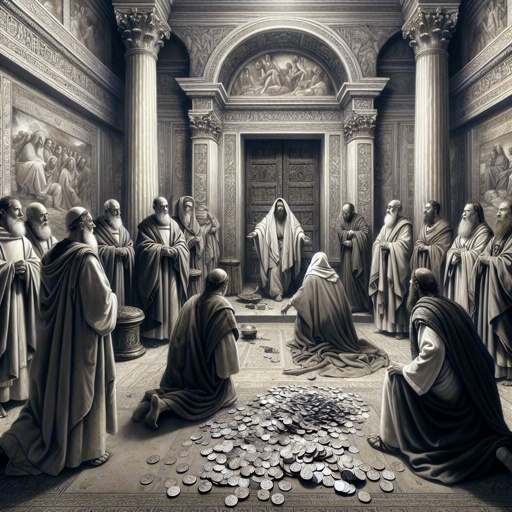
Matthew 27:5 - Show inside the Temple - Show 5 priests looking at Juda and coins - Show only a few pieces of silver coins on the floor - Show the door - Show Juda on his knees walking out the door - A cold theme

Matthew 27:5 - Show inside the Temple - Show 5 priests looking at Juda and coins - Show about 30 pieces of silver coins on the floor - Show the door - Show Juda on his knees walking out the door - A cold theme

Matthew 5:27 - "¶ Ye have heard that it was said by them of old time, Thou shalt not commit adultery:"

Matthew 5:27-28 - "You have heard that it was said, 'You shall not commit adultery.' But I tell you that anyone who looks at a woman lustfully has already committed adultery with her in his heart."
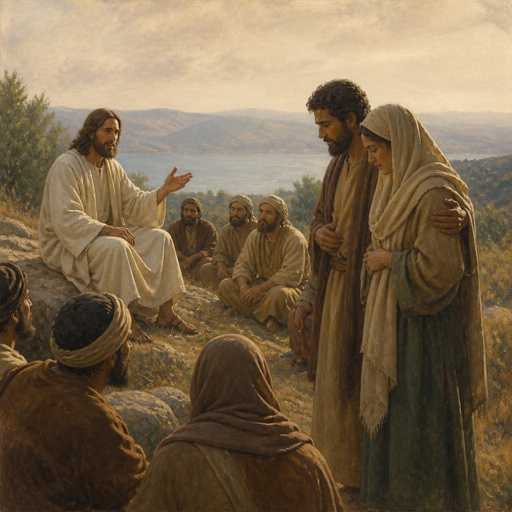
"¶ Ye have heard that it was said by them of old time, Thou shalt not commit adultery:" - Matthew 5:27

Matthew 27:46

Matthew 27:35

Matthew 24:27

Matthew 27:26
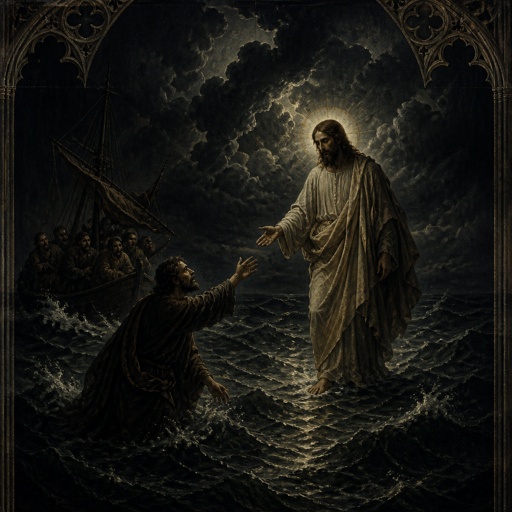
Matthew 14:27

Matthew 14:27
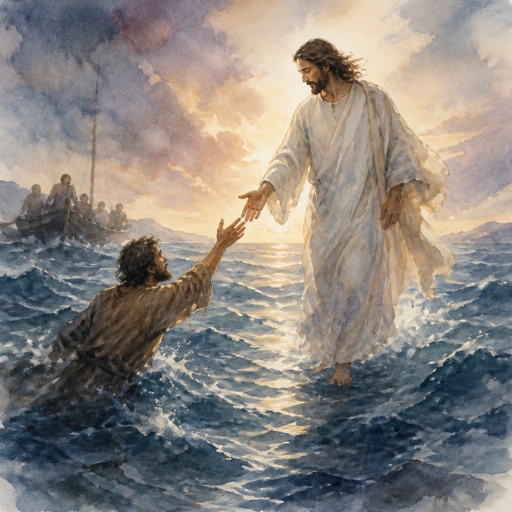
Matthew 14:27

Matthew 27:26

Matthew 27: 38

Matthew 27:27 - "Then the soldiers of the governor took Jesus into the common hall, and gathered unto him the whole band of soldiers."

Matthew 7:24-27

Matthew 27:36 - "And sitting down they watched him there;"

Matthew 27:16 - "And they had then a notable prisoner, called Barabbas."

Matthew 22:27 - "And last of all the woman died also."

Matthew 27:39 - "¶ And they that passed by reviled him, wagging their heads,"

Matthew 27:18 - "For he knew that for envy they had delivered him."

Matthew 27:28 - "And they stripped him, and put on him a scarlet robe."

Matthew 27:8 - "Wherefore that field was called, The field of blood, unto this day."

Genesis 27:5

Matthew 27:10 - "And gave them for the potter's field, as the Lord appointed me."

Matthew 27:7 - "And they took counsel, and bought with them the potter's field, to bury strangers in."

Matthew 5:5 - "Blessed are the meek: for they shall inherit the earth."

Matthew 5:44

Matthew 5:44