What does Matthew 27:18 mean?
“For he knew that for envy they had delivered him.” — Matthew 27:18
The Bible verse Matthew 27:18 from the King James Version (KJV) reads: "For he knew that for envy they had delivered him."
This verse comes from the New Testament and is part of the account of Jesus' trial and crucifixion. It is important to understand the context in which this verse appears in order to fully understand its meaning and significance.
The preceding verses describe how Pilate, the Roman governor, was strongly urged by the chief priests and elders to have Jesus put to death. Despite finding no fault in Jesus, Pilate gave in to the pressure and released Barabbas, a notorious criminal, in place of Jesus. Here, in verse 18, it is stated that Pilate knew that Jesus had been delivered to him out of envy.
This verse is a poignant commentary on the nature of human sin and the influence of envy. Envy is a powerful and destructive emotion, and it led the religious leaders to seek the death of Jesus. This is a theme that resonates throughout the Bible, as envy and jealousy are often portrayed as detrimental and sinful behaviors.
The context of this verse within the larger narrative of Jesus' crucifixion also draws attention to the injustice of his death. Throughout the Gospels, Jesus is consistently portrayed as being without sin, and yet he is ultimately put to death on the cross. In this verse, the recognition of the chief priests' envy serves as a condemnation of their actions and the corrupt motives behind their desire to eliminate Jesus.
Symbolically, this verse can be seen as a representation of the fallen nature of humanity. The envy and greed of the religious leaders led to the betrayal, trial, and crucifixion of the sinless Son of God. This event serves as a stark reminder of the capacity for sin and evil within the hearts of people, and the devastating consequences that can result from these dark impulses.
Furthermore, the verse underscores the sovereignty of God in the midst of human sinfulness. Despite the envy and deceit of those who sought Jesus' death, God's plan of salvation was unfolding. Through Jesus' sacrificial death on the cross, God's redemptive purposes were being fulfilled. This verse serves as a poignant reminder that even in the face of human sin and injustice, God remains in control and is working out his purposes.
In conclusion, Matthew 27:18 from the King James Version is a powerful and evocative verse that speaks to the themes of human sinfulness, injustice, and God's sovereignty. It serves as a reminder of the destructive nature of envy and greed, and the devastating consequences that result from these sinful attitudes. At the same time, it points to the redemptive work of God, who is able to work all things for the good of those who love him. This verse is a poignant reminder of the depth of God's love and the extent of human sin, and it continues to resonate with readers today as a testament to the complexities of the human condition and the unchanging nature of God's love and grace.
Get our apps


Artwork for Matthew 27:18

Matthew 27:18 - "For he knew that for envy they had delivered him."

"For he knew that for envy they had delivered him." - Matthew 27:18

Matthew 18:27 - "Then the lord of that servant was moved with compassion, and loosed him, and forgave him the debt."

"Then the lord of that servant was moved with compassion, and loosed him, and forgave him the debt." - Matthew 18:27

Matthew 27:46

Matthew 27:35

Matthew 24:27

Matthew 27:26
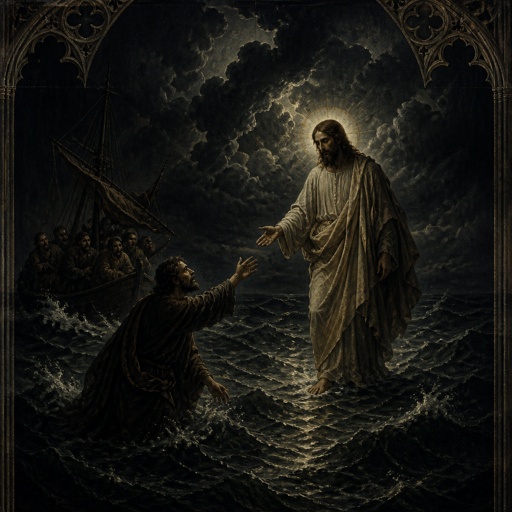
Matthew 14:27
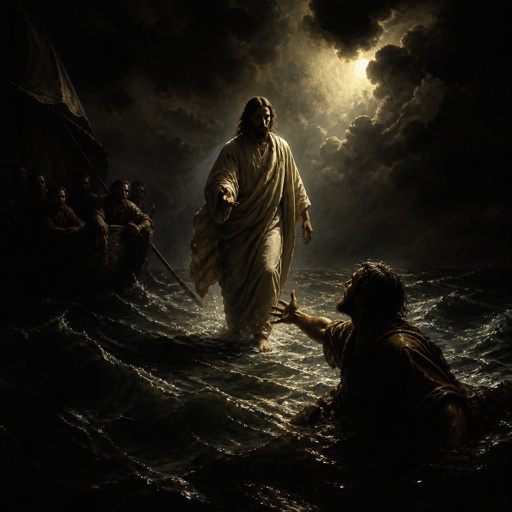
Matthew 14:27
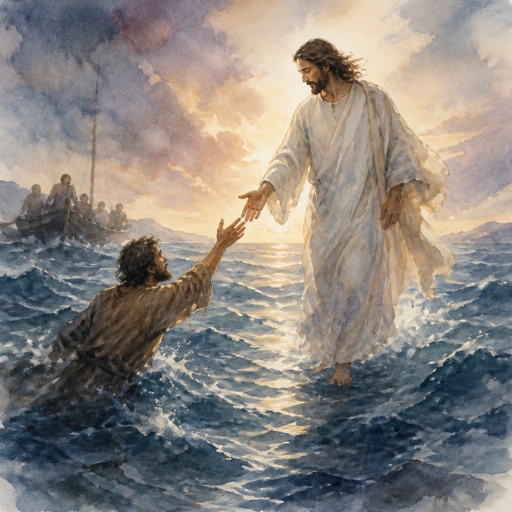
Matthew 14:27

Matthew 27:26

Matthew 27: 38

Matthew 27:27 - "Then the soldiers of the governor took Jesus into the common hall, and gathered unto him the whole band of soldiers."

Genesis 18-27

Matthew 7:24-27

Matthew 27:36 - "And sitting down they watched him there;"

Matthew 27:16 - "And they had then a notable prisoner, called Barabbas."

Genesis 27:18-19

Joshua 18:27 - "And Rekem, and Irpeel, and Taralah,"

Matthew 22:27 - "And last of all the woman died also."

Matthew 27:39 - "¶ And they that passed by reviled him, wagging their heads,"

Matthew 18:6

Matthew 18:10

Matthew 18:6

Matthew 18:20

Matthew 6:18

Matthew 27:28 - "And they stripped him, and put on him a scarlet robe."

Matthew 27:8 - "Wherefore that field was called, The field of blood, unto this day."

Matthew 6:18