What does Matthew 2:15 mean?
“And was there until the death of Herod: that it might be fulfilled which was spoken of the Lord by the prophet, saying, Out of Egypt have I called my son.” — Matthew 2:15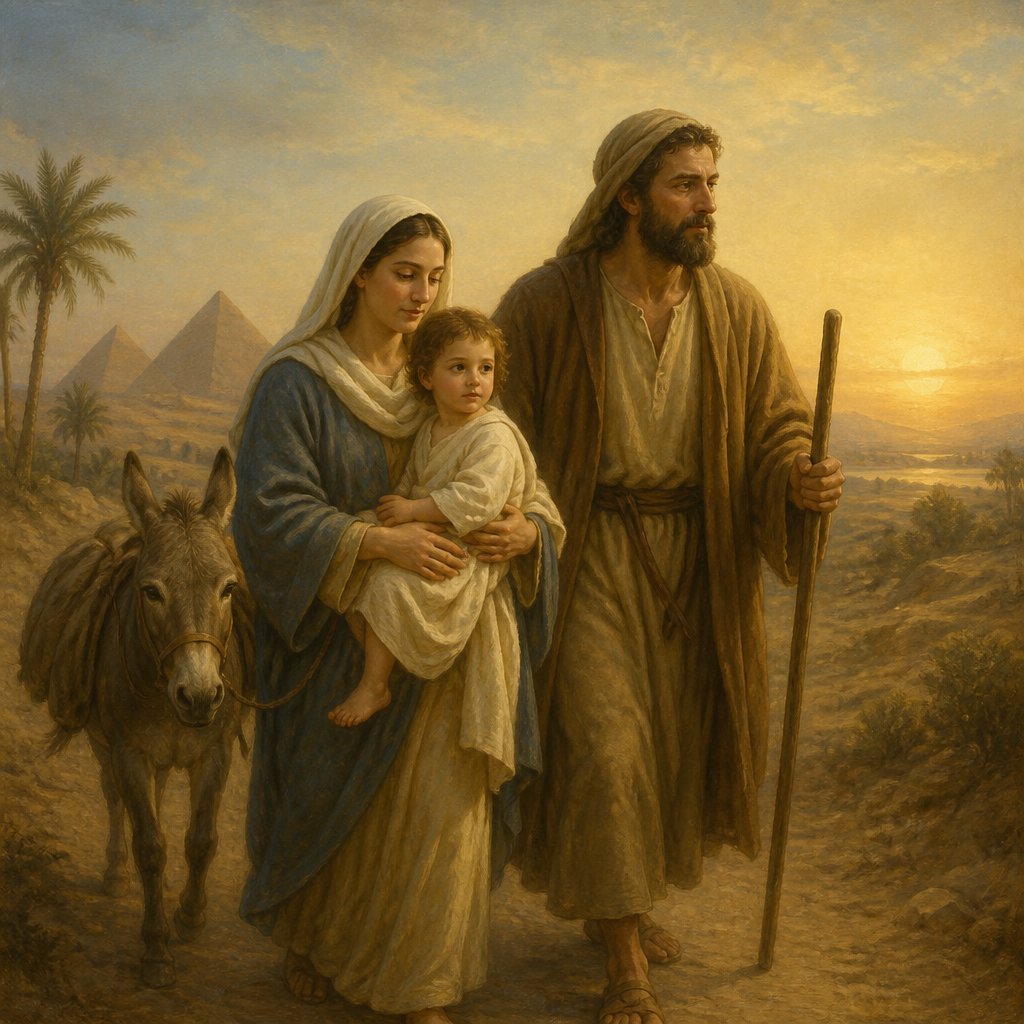
Matthew 2:15 (KJV): "And was there until the death of Herod: that it might be fulfilled which was spoken of the Lord by the prophet, saying, Out of Egypt have I called my son."
This passage from the Gospel of Matthew presents a quote from the Old Testament book of Hosea 11:1, which references the Israelites' exodus from Egypt. The context of this verse is part of the narrative of the infancy and early life of Jesus. After the visit from the Magi who were seeking the newborn King of the Jews, Herod became threatened by the news and sought to kill Jesus. However, Joseph, Mary, and Jesus were warned by an angel to flee to Egypt to escape Herod's wrath. This was to fulfill the prophecy that the Messiah would be called out of Egypt.
The symbolic significance of this verse lies in the parallel between the Israelites' exodus from Egypt and Jesus' time spent in Egypt. In the Old Testament, the journey of the Israelites out of Egypt was a formative event in their history, as it symbolized liberation from slavery and the beginning of a new covenant with God. This event served as a foundation of the Israelite's identity as the chosen people of God. Similarly, Jesus' time in Egypt symbolizes the protective care of God over His Son and also reflects the theme of salvation and deliverance.
Furthermore, the reference made to Hosea's prophecy highlights the theme of continuity and fulfillment of Old Testament prophecies in the life of Jesus. This emphasizes the divine plan and the fulfillment of God's promises throughout history. It conveys the idea that God's hand was at work in the events surrounding the life of Jesus, and that His life was in fulfillment of the scriptures. This continuity between the Old and New Testament scriptures underscores the significance of Jesus as the fulfillment of God's promises and the embodiment of God's plan for humanity's salvation.
Additionally, the verse also serves to portray Jesus as the ultimate representative of Israel. The phrase "my son" in the prophecy from Hosea carries a double meaning, referring to both the nation of Israel as well as to Jesus himself. This verse echoes the idea that Jesus embodies the destiny and identity of the nation of Israel, and that he is the fulfillment of the promises made to the nation. It emphasizes the unique and special relationship between Jesus and God, and the role of Jesus in fulfilling God's plan for salvation.
In the broader context of the Gospel of Matthew, this verse contributes to the overarching theme of Jesus as the fulfillment of Jewish prophecy and the embodiment of God's plan for salvation. It establishes the continuity between the Old Testament prophecies and the events of Jesus' life, presenting Jesus as the culmination and fulfillment of the history of Israel. Thus, the verse serves to emphasize the divine nature of Jesus and his role as the Savior and Redeemer of humanity.
In conclusion, Matthew 2:15 is a verse rich in symbolism and significance, portraying Jesus as the fulfillment of Old Testament prophecies and as the embodiment of God's plan for salvation. It underscores the themes of continuity, fulfillment, and divine providence, and highlights the unique role of Jesus as the representative of Israel and as the ultimate Savior. It serves to reinforce the central message of the Gospel of Matthew, which is the identity of Jesus as the long-awaited Messiah and the fulfillment of God's promises.
Get our apps


Artwork for Matthew 2:15

Matthew 2:15 - "And was there until the death of Herod: that it might be fulfilled which was spoken of the Lord by the prophet, saying, Out of Egypt have I called my son."
"And was there until the death of Herod: that it might be fulfilled which was spoken of the Lord by the prophet, saying, Out of Egypt have I called my son." - Matthew 2:15

matthew 15 matthew 15:10

Matthew 15:2 - "Why do thy disciples transgress the tradition of the elders? for they wash not their hands when they eat bread."

Matthew 26:15

Matthew 26:15

Matthew 15:23

Matthew 24:15

Matthew 15:15 - "Then answered Peter and said unto him, Declare unto us this parable."

Matthew 5:15

Matthew 15:23

Matthew 5:15

Matthew 17:14-15

Matthew 15 : 1-20
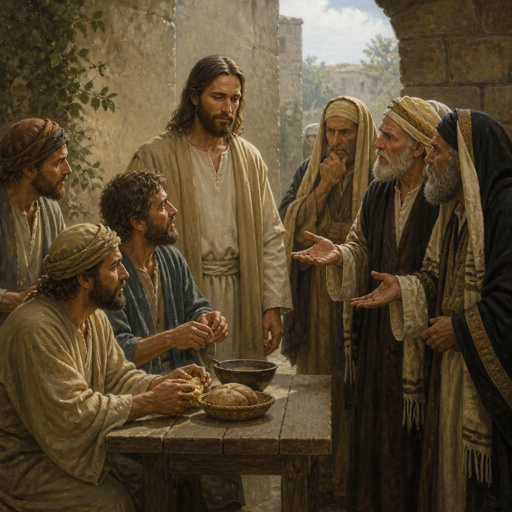
"Why do thy disciples transgress the tradition of the elders? for they wash not their hands when they eat bread." - Matthew 15:2

Matthew 1:15 - "And Eliud begat Eleazar; and Eleazar begat Matthan; and Matthan begat Jacob;"

Matthew 15:35 - "And he commanded the multitude to sit down on the ground."

Matthew 11:15 - "He that hath ears to hear, let him hear."

Matthew 15:16 - "And Jesus said, Are ye also yet without understanding?"

Matthew 19:15 - "And he laid his hands on them, and departed thence."

Matthew 15:21 - "¶ Then Jesus went thence, and departed into the coasts of Tyre and Sidon."

Matthew 15:9 - "But in vain they do worship me, teaching for doctrines the commandments of men."

Matthew 15:7 - "Ye hypocrites, well did Esaias prophesy of you, saying,"

Matthew 15:1 - "Then came to Jesus scribes and Pharisees, which were of Jerusalem, saying,"

Luke 6:15 - "Matthew and Thomas, James the son of Alphaeus, and Simon called Zelotes,"

Matthew 15:25 - "Then came she and worshipped him, saying, Lord, help me."

Matthew 15:10 - "¶ And he called the multitude, and said unto them, Hear, and understand:"

Matthew 15:38 - "And they that did eat were four thousand men, beside women and children."

Matthew 15:20 - "These are the things which defile a man: but to eat with unwashen hands defileth not a man."

Matthew 15:39 - "And he sent away the multitude, and took ship, and came into the coasts of Magdala."