What does Matthew 2:18 mean?
“In Rama was there a voice heard, lamentation, and weeping, and great mourning, Rachel weeping for her children, and would not be comforted, because they are not.” — Matthew 2:18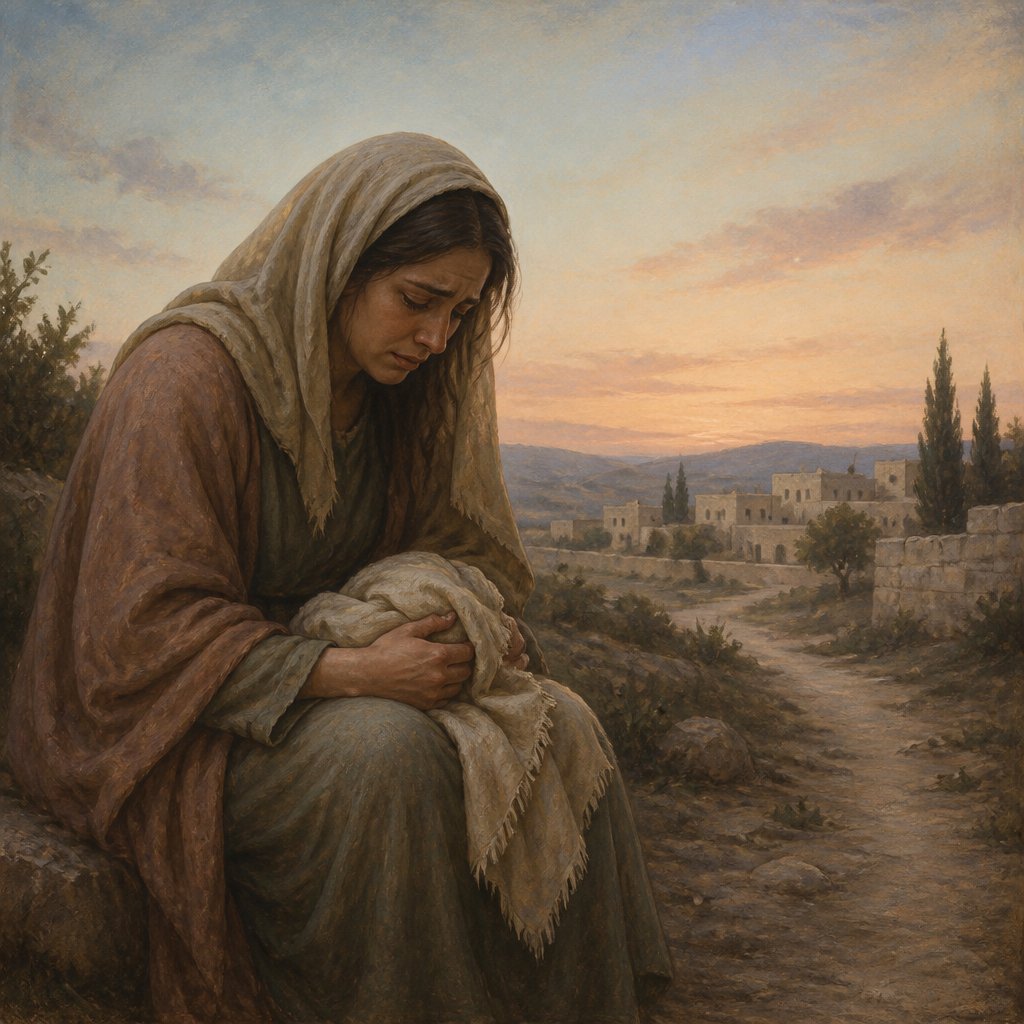
Matthew 2:18 (KJV) "In Rama was there a voice heard, lamentation, and weeping, and great mourning, Rachel weeping for her children, and would not be comforted, because they are not."
This verse is a haunting lament, capturing the anguish and grief of mothers who have lost their children. It is a reference to the slaughter of the innocent children in Bethlehem by King Herod, who ordered the killing of all male children under the age of two in an attempt to eliminate the threat of a new King of the Jews, as prophesied by the wise men.
The verse is a direct quotation from the Book of Jeremiah in the Old Testament, specifically Jeremiah 31:15, which states, "Thus saith the Lord: A voice was heard in Ramah, lamentation, and bitter weeping; Rachel weeping for her children, refused to be comforted for her children, because they were not." This Old Testament prophecy was initially spoken to comfort the people of Israel, assuring them of God's compassion and promise of restoration.
In this particular context, Matthew uses this prophecy to describe the heart-wrenching grief and pain experienced by the mothers of Bethlehem. The imagery of Rachel weeping for her children evokes a powerful sense of loss and sorrow. The name "Rachel" is significant as she was the beloved wife of Jacob and the mother of Joseph and Benjamin, and she is commonly associated with motherly love and tenderness. The mention of her weeping for her children conveys the universal and timeless nature of maternal anguish, resonating with the pain of every mother who has suffered the loss of a child.
The inclusion of this verse in the Gospel of Matthew serves to highlight the darkness and evil present in the world at the time of Jesus' birth. It emphasizes the contrast between the promise of the Messiah's arrival and the cruelty and oppression of King Herod. The massacre of the innocent children underscores the depth of the brokenness and sin in the world, setting the stage for the redemptive work of Christ.
Furthermore, the verse also provides a link to the broader themes of suffering and persecution that are present throughout the Bible. It foreshadows the suffering that Jesus himself will endure in the future, as he becomes a refugee in Egypt to escape Herod's wrath and ultimately undergoes crucifixion for the sins of humanity. The verse serves as a poignant reminder of the reality of human suffering and the need for a savior to bring hope and redemption.
The lamentation and weeping of the mothers in Rama also echo the cries of grief and despair that continue to be heard in the world today. This verse speaks to the universal experience of loss and the enduring need for comfort and healing in the face of tragedy. It serves as a reminder of God's compassion and promise to ultimately bring comfort and restoration to those who mourn.
Symbolically, this verse can be seen as a representation of the broader theme of the interplay between darkness and light in the world. In the midst of the sorrow and despair depicted in this verse, there is the promise of hope and redemption through the coming of the Messiah. This duality is a consistent motif throughout the Bible, reflecting the ongoing struggle between good and evil and the ultimate triumph of God's love and mercy.
In conclusion, Matthew 2:18 captures the profound grief and anguish experienced by mothers in the wake of the massacre of the innocent children in Bethlehem. It serves as a poignant reminder of the brokenness and suffering that exists in the world and the universal need for comfort and hope. This verse also highlights the broader themes of suffering, redemption, and the ongoing struggle between darkness and light, ultimately pointing to the promise of God's compassion and the ultimate hope found in the coming of Jesus Christ.
Get our apps


Artwork for Matthew 2:18

Matthew 2:18 - "In Rama was there a voice heard, lamentation, and weeping, and great mourning, Rachel weeping for her children, and would not be comforted, because they are not."
"In Rama was there a voice heard, lamentation, and weeping, and great mourning, Rachel weeping for her children, and would not be comforted, because they are not." - Matthew 2:18

Matthew 18:2 - "And Jesus called a little child unto him, and set him in the midst of them,"

Matthew 18:6

Matthew 18:10

Matthew 18:6

Matthew 18:20

Matthew 6:18

Matthew 6:18

Matthew 18:20

Matthew 18:6

Matthew 18:20
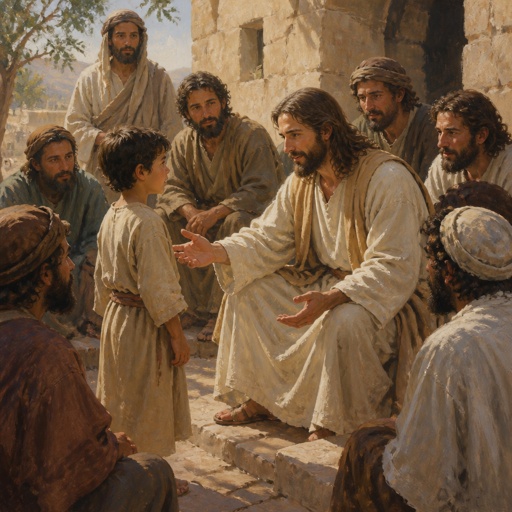
"And Jesus called a little child unto him, and set him in the midst of them," - Matthew 18:2

Matthew 18:23-34

Matthew 17:17-18

Matthew 18:23-34

Matthew 18:23-34

Matthew 6:17-18

Matthew 18:23-34

Matthew 17:17-18

Matthew 13:18 - "¶ Hear ye therefore the parable of the sower."

Matthew 18:11 - "For the Son of man is come to save that which was lost."

Matthew 27:18 - "For he knew that for envy they had delivered him."

Matthew 14:18 - "He said, Bring them hither to me."

Matthew 21:18 - "Now in the morning as he returned into the city, he hungered."

Matthew 18:27 - "Then the lord of that servant was moved with compassion, and loosed him, and forgave him the debt."
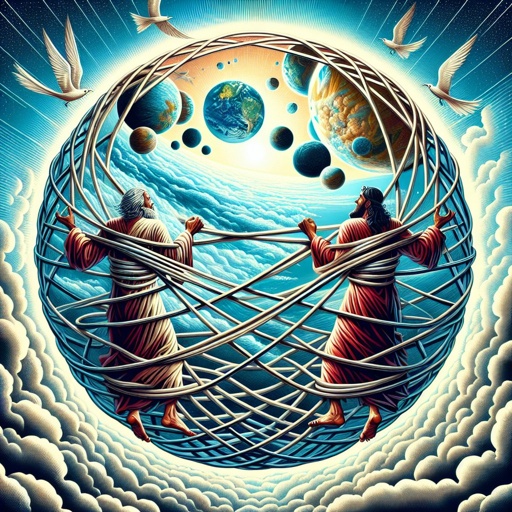
Matthew 18:18 - "Verily I say unto you, Whatsoever ye shall bind on earth shall be bound in heaven: and whatsoever ye shall loose on earth shall be loosed in heaven."

Matthew 24:18 - "Neither let him which is in the field return back to take his clothes."

Matthew 11:18 - "For John came neither eating nor drinking, and they say, He hath a devil."

Matthew 22:18 - "But Jesus perceived their wickedness, and said, Why tempt ye me, ye hypocrites?"